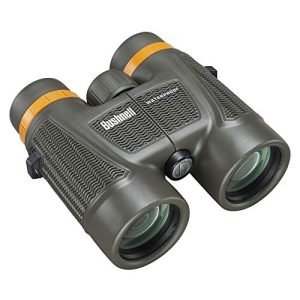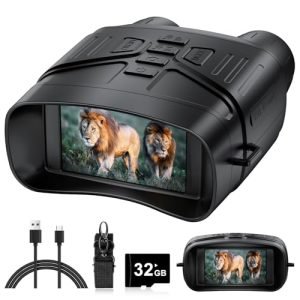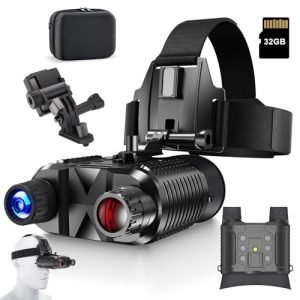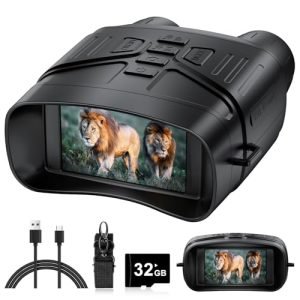
Have you ever wanted to get closer to wildlife without disturbing their natural behavior? Surveillance binoculars might be the secret tool you need.
These powerful devices offer clear, detailed views from a distance, helping you observe animals quietly and safely. But can surveillance binoculars truly meet the demands of wildlife monitoring? You’ll discover how these binoculars work, their benefits, and what to consider before using them for your next outdoor adventure.
Keep reading to find out if they’re the right choice for your wildlife observation needs.

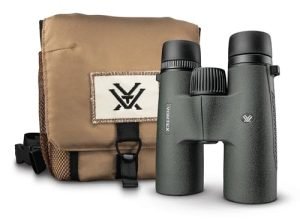
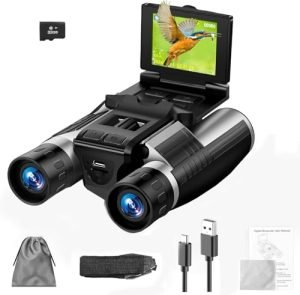
Credit: www.walmart.ca
Benefits Of Surveillance Binoculars
Surveillance binoculars help observe wildlife from a distance. They provide clear views of animals without disturbing them.
These binoculars are useful tools for researchers and nature lovers. They improve the quality of wildlife monitoring.
Enhanced Viewing Range
Surveillance binoculars have powerful lenses that increase how far you can see. This helps spot animals even in large areas.
- See animals from greater distances
- Cover wide areas without moving closer
- Reduce the chance of scaring wildlife
Improved Image Clarity
These binoculars use high-quality glass to give sharp and clear images. Clear views make it easier to identify species and behaviors.
| Feature | Benefit |
| High-definition lenses | Sharper images |
| Anti-reflective coating | Less glare |
| Stable focusing | Clear pictures even when moving |
Low Light Performance
Surveillance binoculars work well in low light. They allow watching animals at dawn, dusk, or in shaded areas.
- Bright images in poor light
- Better color and contrast
- More animal activity can be observed
Key Features For Wildlife Monitoring
Surveillance binoculars can help observe animals in their natural habitats. They provide clear views from a safe distance. Using the right features improves the monitoring experience.
Choosing binoculars with specific qualities makes it easier to see wildlife. This guide explains the key features that matter most for wildlife monitoring.
Magnification Power
Magnification shows how much closer objects appear. Higher magnification helps see details from far away. But too much can cause shaky images.
Good wildlife binoculars balance power and image stability. A range of 8x to 12x is often ideal for clear views without too much shake.
- 8x to 12x magnification is best for wildlife
- Higher power may need a tripod
- Lower power gives wider view and steadier images
Durability And Weather Resistance
Wildlife monitoring often happens outdoors in rough conditions. Binoculars must resist rain, dust, and drops. Durable materials protect the lenses and body.
Look for waterproof and fog-proof features. These help keep the view clear in wet or cold weather. Rubber coatings add extra grip and shock resistance.
- Waterproof seals prevent moisture inside
- Fog-proof with nitrogen or argon gas inside
- Rubber armor protects against shocks and slips
Ergonomics And Portability
Wildlife watchers carry binoculars for long times. Lightweight and comfortable designs reduce arm fatigue. Easy grip and simple controls improve use.
Compact binoculars fit in bags and pockets. Adjustable eyecups and focus make viewing easier for different users. A good neck strap adds convenience.
- Lightweight body for long-term use
- Compact size for easy carrying
- Adjustable eyecups for comfort
- Simple focus system for quick adjustments
- Comfortable neck strap or harness
Comparing Binoculars And Other Optical Tools
Surveillance binoculars are often used for wildlife monitoring. It is important to compare them with other optical tools. This helps to choose the best option for observing animals.
This article looks at binoculars, spotting scopes, and cameras. It explains their differences and advantages in the field.
Binoculars Vs Spotting Scopes
Binoculars are portable and easy to use. Spotting scopes offer higher magnification but are bulkier. Both tools help to see wildlife from a distance.
| Feature | Binoculars | Spotting Scopes |
| Magnification | Usually 8x to 12x | Up to 60x or more |
| Portability | Light and compact | Heavier and larger |
| Ease of Use | Quick to focus and move | Requires tripod and setup |
| Field of View | Wide | Narrow |
Binoculars Vs Cameras
Cameras capture images and videos of wildlife. Binoculars only provide live viewing. Cameras need more time to set up and use.
- Binoculars allow real-time observation without delay.
- Cameras can record and store wildlife sightings.
- Binoculars are simpler and do not need batteries.
- Cameras offer zoom but may lose image quality at high zoom.
Advantages In Field Use
Binoculars have many benefits during wildlife monitoring. They are light and easy to carry. Users can quickly scan large areas.
- Both hands free for other tasks with neck strap.
- Good depth perception with two lenses.
- Immediate focus and quick target acquisition.
- Less noise compared to cameras with zoom lenses.
- Works well in low light conditions.
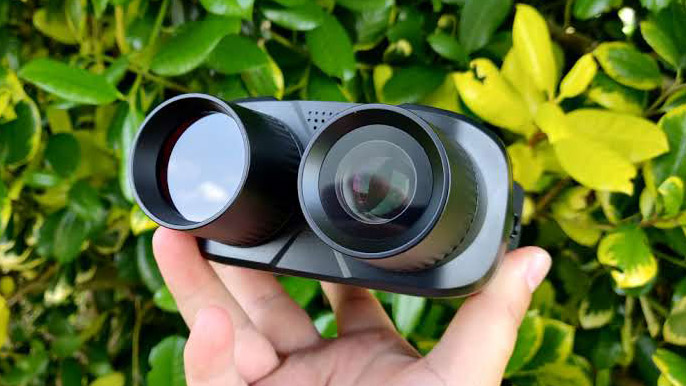
Credit: www.digitalcameraworld.com
Challenges In Using Surveillance Binoculars
Surveillance binoculars help to observe wildlife from a distance. They provide clear images but also bring some challenges. Understanding these issues helps users get better results.
This article discusses three main challenges: limited field of view, disturbance to wildlife, and battery life with maintenance needs.
Limited Field Of View
Surveillance binoculars often have a narrow field of view. This limits how much area you can see at one time. It can be hard to track fast or moving animals.
- Requires frequent repositioning to follow wildlife
- May miss important actions outside the viewing area
- Needs more attention and skill to keep the subject in focus
Potential Disturbance To Wildlife
Using binoculars can sometimes disturb animals. Bright lights or sounds from the device may scare them away. Staying quiet and patient is important.
| Cause | Effect on Wildlife |
| Shiny lens reflections | Animals may notice and hide |
| Sudden movements by the observer | Wildlife may feel threatened |
| Use of infrared or night vision | Can disturb nocturnal animals |
Battery Life And Maintenance
Many surveillance binoculars need batteries for features like zoom and night vision. Battery life can limit long observation sessions.
Users should regularly clean lenses and check equipment. Proper maintenance helps keep the binoculars working well in the field.
- Carry extra batteries for longer use
- Clean lenses with a soft cloth to avoid scratches
- Store in a dry, safe place to prevent damage
- Check all functions before heading outdoors
Best Practices For Effective Wildlife Observation
Using surveillance binoculars for wildlife monitoring requires care and skill. Observers must follow good practices to see animals clearly and avoid disturbing them.
This guide shares tips on choosing the right time and place, reducing human impact, and keeping good records of sightings.
Choosing The Right Time And Location
Animals are most active at certain times and places. Picking these helps you observe more and get better results.
- Go out early morning or late afternoon when animals feed or move.
- Visit habitats suited for the species you want to watch.
- Check weather conditions; clear, calm days work best.
- Use maps and local guides to find good observation spots.
Minimizing Human Impact
Keep your presence low to avoid scaring wildlife. Respect their space and natural behavior.
| Action | Reason |
| Move quietly | Reduces noise that scares animals |
| Wear natural colors | Helps blend into surroundings |
| Keep distance | Prevents stress and risk to animals |
| Avoid bright lights | Stops disturbing nocturnal creatures |
Recording And Documenting Sightings
Take notes or photos to track what you see. This helps study animal behavior and share findings.
- Note date, time, and location of each sighting.
- Describe the animal’s behavior and appearance.
- Use GPS or maps to mark exact spots.
- Keep a journal or digital record for easy access.
Top Surveillance Binocular Models For Wildlife
Using surveillance binoculars can help observe wildlife from a distance. These binoculars offer clear views and strong zoom. Choosing the right model depends on your budget and needs.
Below are some options for high-end, budget-friendly, and specialized binoculars. Each type suits different wildlife monitoring tasks.
High-end Options
High-end binoculars provide excellent clarity and durability. They often have features like night vision and weather resistance. These models work well for serious wildlife watchers.
- Zeiss Victory SF 10×42: sharp images and wide view
- Leica Noctivid 8×42: bright and clear even in low light
- Nikon Monarch 7 8×42: water-resistant and lightweight
Budget-friendly Choices
Affordable binoculars still offer good quality for casual wildlife watching. They may lack some advanced features but are easy to use.
| Model | Magnification | Weight | Price Range |
| Bushnell Falcon 10×50 | 10x | 700g | Low |
| Canon 10×30 IS II | 10x | 620g | Medium |
| Vortex Crossfire 8×42 | 8x | 670g | Low |
Specialized Features To Look For
Some features make binoculars better for wildlife surveillance. Look for these when picking your model.
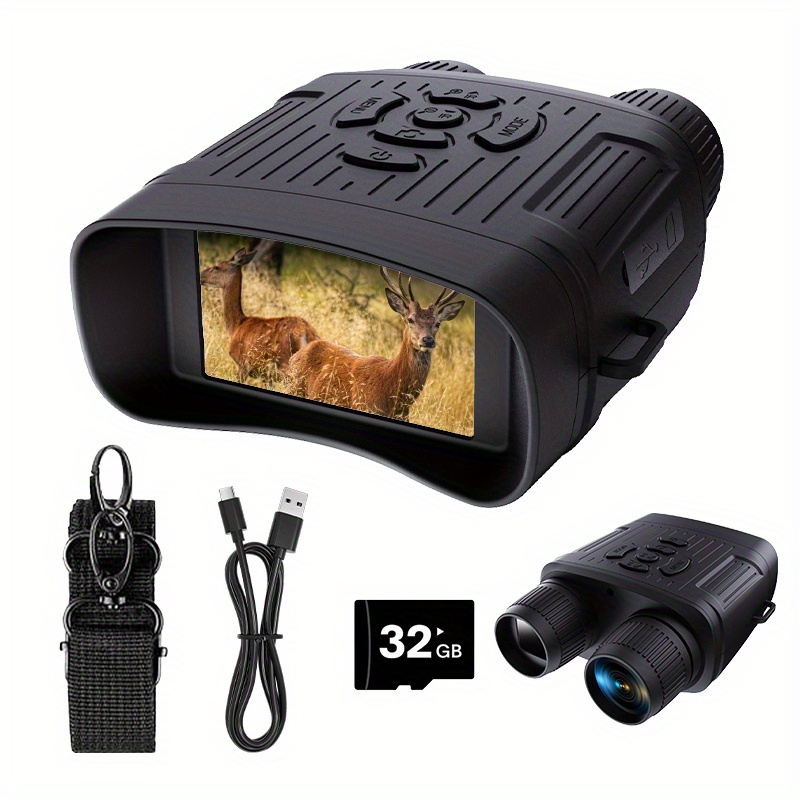
- Night vision to see animals in dark conditions
- Waterproof design to use in rain or wet areas
- Image stabilization to reduce shaking
- Wide field of view for spotting moving animals
- Durable build for rough outdoor use
Credit: www.temu.com
Frequently Asked Questions
Can Surveillance Binoculars Improve Wildlife Monitoring Accuracy?
Yes, surveillance binoculars enhance wildlife monitoring by providing clear, magnified views. They help spot animals from a distance without disturbance, improving data accuracy and observation quality in natural habitats.
Are Surveillance Binoculars Better Than Regular Binoculars For Wildlife?
Surveillance binoculars often offer superior zoom and stability features. These benefits make them more effective for detailed wildlife observation compared to standard binoculars.
What Features Should Surveillance Binoculars Have For Wildlife Use?
Ideal features include high magnification, image stabilization, waterproof design, and night vision. These ensure clear, reliable views in various outdoor conditions during wildlife monitoring.
Can Surveillance Binoculars Be Used For Nocturnal Animal Observation?
Yes, many surveillance binoculars include night vision or infrared capabilities. These features enable clear observation of nocturnal animals without disturbing their natural behavior.
Conclusion
Surveillance binoculars offer great potential for wildlife monitoring. They provide clear, distant views of animals in their habitats. Observers can track animal behavior without disturbing them. This tool aids in gathering vital data on wildlife patterns. Researchers and enthusiasts find binoculars useful and convenient.
Their portability allows easy use in various environments. With careful observation, valuable insights are gained. These insights help in wildlife conservation efforts. Investing in quality binoculars enhances the monitoring experience. So, try using surveillance binoculars for a closer look at nature’s wonders.