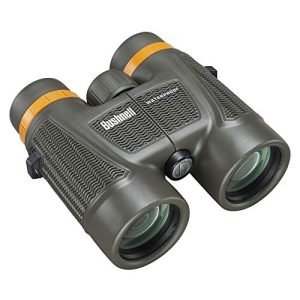
When every second counts during a critical incident, having the right tools can make all the difference. You need binoculars that deliver clear, sharp images, even in challenging conditions.
Choosing the best binoculars for critical incident response isn’t just about magnification—it’s about reliability, durability, and ease of use. You’ll discover exactly what features to look for and which models stand out, so you can make confident decisions when it matters most.
Keep reading to find the perfect binoculars that will keep you prepared and ready to act.
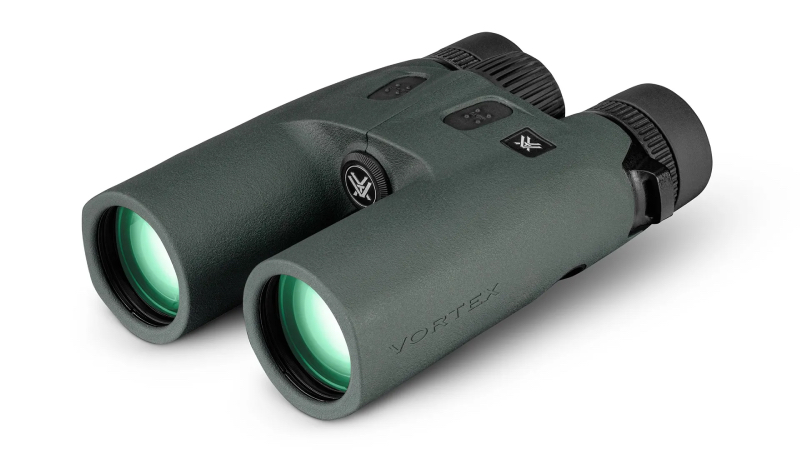
Credit: blackbasin.com
Key Features For Incident Response Binoculars
Choosing the right binoculars is important for critical incident response. They help responders see details from a distance clearly and quickly.
Binoculars for incident response must have specific features. These features improve safety and effectiveness in tough situations.
Magnification And Lens Size
Magnification shows how much closer objects appear. Lens size controls how much light the binoculars gather.
High magnification helps see far objects but can shake more. Larger lenses give brighter images but add weight.
- Choose 8x to 10x magnification for balance
- Lens size between 30mm and 42mm is best
- Bigger lenses help in low light but are heavier
Durability And Build Quality
Incident response binoculars must be strong and last long. They face rough use and harsh conditions.
Look for binoculars made with tough materials. Rubber coating helps protect from drops and bumps.
- Shockproof design to handle impacts
- Rubber armor for grip and protection
- Metal or reinforced plastic body
Low Light Performance
Good low light performance helps see clearly at dawn or dusk. It is key during night or dark places.
Large lenses and quality coatings improve light gathering and image brightness. This helps identify details in low light.
- Fully multi-coated lenses for better light transmission
- Large objective lenses to capture more light
- Bright and clear images in dim conditions
Weather Resistance
Responders often work in rain, fog, or dust. Weather-resistant binoculars keep working well in these conditions.
Look for waterproof and fog-proof features. Sealed lenses and nitrogen filling prevent moisture and fog inside.
- Waterproof design for wet environments
- Fog-proof to stop internal lens fogging
- Dustproof seals to keep debris out
Ease Of Use And Portability
Binoculars should be easy to carry and use quickly. Quick focus and light weight help responders move fast.
Adjustable eyecups and simple controls improve comfort and speed. Compact size fits well on gear or belts.
- Lightweight to reduce fatigue
- Fast and smooth focusing system
- Compact size for easy carrying
- Adjustable eyecups for clear vision with glasses
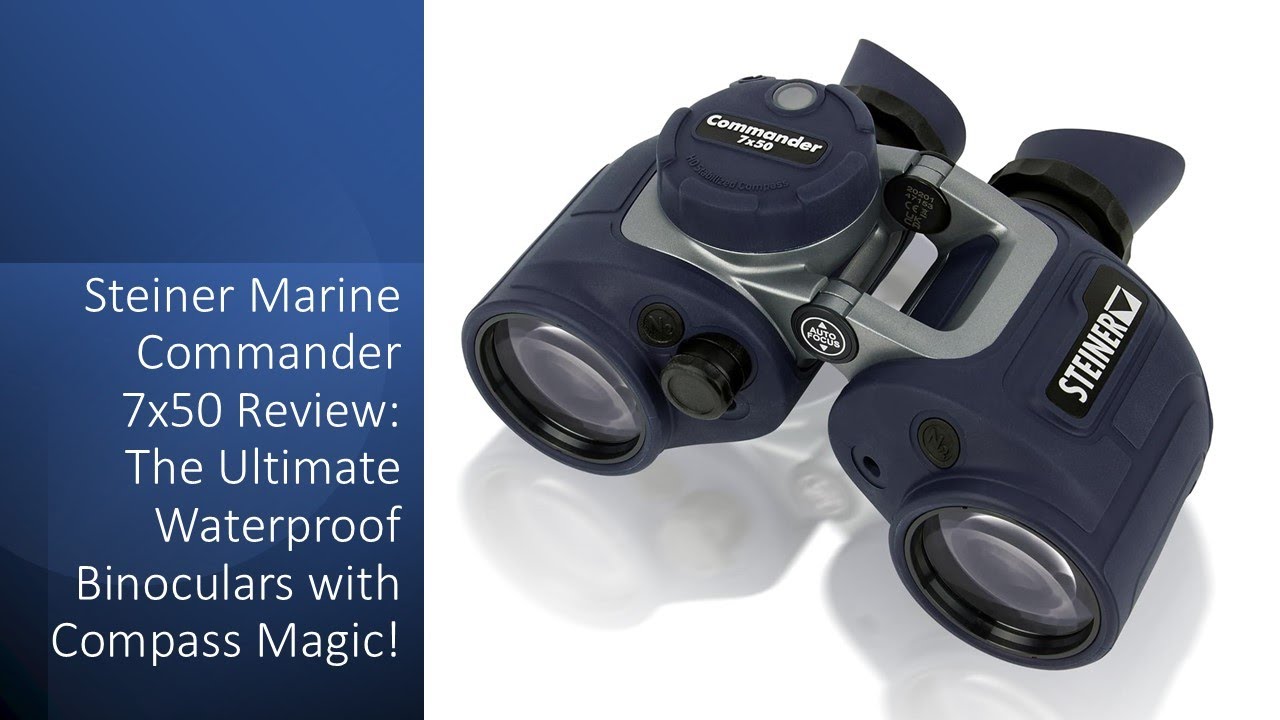
Credit: www.youtube.com
Top Binocular Models For Critical Incidents
Choosing the right binoculars is key for critical incident response. Clear vision and quick focus help responders act fast.
Different situations need different binocular features. We review top models that suit various needs and budgets.
Best Overall Performance
These binoculars offer sharp images, wide views, and strong build quality. They work well in all lighting and weather conditions.
Look for models with 8x to 10x magnification and good waterproofing. A sturdy frame helps in rough environments.
Budget-friendly Options
Good binoculars do not have to be expensive. These budget models provide decent clarity and durability.
- 7×35 magnification for clear views
- Rubber coating for grip and protection
- Lightweight design for easy carrying
- Water-resistant to handle rain
Compact And Lightweight Picks
Small and light binoculars are easy to carry on long missions. They fit well in pockets or small bags.
Though smaller, these models still give good image quality and fast focus. Ideal for quick scanning.
High Magnification Choices
High magnification binoculars bring distant objects closer. They help spot details far away during incidents.
| Model | Magnification | Field of View | Weight |
| Model A | 12x | 300 ft @ 1000 yd | 28 oz |
| Model B | 15x | 250 ft @ 1000 yd | 30 oz |
| Model C | 18x | 220 ft @ 1000 yd | 32 oz |
Specialized Tactical Binoculars
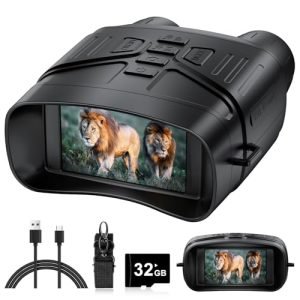
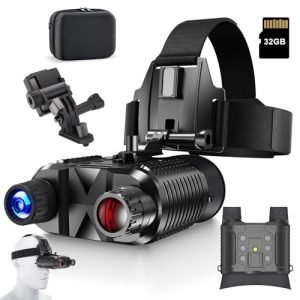
Tactical binoculars have extra features like night vision, range finding, or image stabilization. They fit special operation needs.
- Night vision for low-light conditions
- Range finders for distance measurement
- Shockproof and waterproof design
- Easy-to-use controls for fast adjustments
Comparing Binoculars For Different Scenarios
Choosing the right binoculars depends on the situation. Different settings need different features.
We will look at binoculars for urban operations, rural areas, night use, and search missions.
Urban Operations
In cities, binoculars need good close focus and clear images. Lightweight models help when moving fast.
Compact binoculars with magnification around 8x are best. They show details without shaking too much.
- Magnification: 7x to 10x
- Close focus under 10 feet
- Lightweight and compact design
- Good lens coating for bright images
Rural And Wilderness Settings
In wild areas, binoculars should have strong zoom and wide view. Durable and waterproof models are key.
Magnification between 10x and 12x helps spot animals or objects far away. Bigger lenses gather more light.
- Magnification: 10x to 12x
- Wide field of view
- Waterproof and fog proof
- Rugged body for tough use
Night And Low Light Conditions
Binoculars for low light need large lenses to collect more light. Bright and clear images matter most.
Models with 7x to 10x magnification and 50mm or bigger lenses work well at dusk or dawn.
- Magnification: 7x to 10x
- Objective lens size: 50mm or larger
- Good lens coating for brightness
- Low light or night vision optional
Search And Rescue Missions
Search and rescue needs binoculars with wide views and easy handling. Quick focus is important to spot details fast.
Durability and waterproof features help in tough weather. Mid-range magnification keeps images steady.
- Magnification: 8x to 10x
- Wide field of view
- Waterproof and shock resistant
- Fast and smooth focusing
Maintenance Tips For Long-term Use
Binoculars used for critical incident response need regular care. Proper maintenance keeps them working well over time. This guide covers key tips to help you maintain your binoculars.
Follow simple steps to clean, store, and fix common problems. This will extend the life of your equipment and ensure clear vision when you need it most.
Cleaning And Care
Clean your binoculars carefully to avoid damage. Use soft cloths and gentle cleaners made for optics. Avoid touching lenses with your fingers to prevent smudges and scratches.
- Use a blower brush to remove dust from lenses.
- Apply lens cleaning solution to a microfiber cloth, not directly on lenses.
- Wipe lenses in a circular motion to avoid streaks.
- Clean the body with a damp cloth to remove dirt and grime.
- Check for loose parts and tighten them gently if needed.
Storage Recommendations
Store binoculars in a dry, cool place to prevent damage. Use a protective case to guard against dust and impacts. Keep them away from direct sunlight and extreme temperatures.
| Storage Tip | Reason |
| Use a padded case | Protects from drops and scratches |
| Keep silica gel packs inside case | Absorbs moisture to prevent mold |
| Store in a cool, dry place | Prevents fogging and damage to lenses |
| Remove batteries if unused for long | Prevents battery leaks and corrosion |
Troubleshooting Common Issues
Sometimes binoculars may not work properly. Check for blurry images, stuck focus rings, or loose parts. Fix small problems to avoid bigger repairs later.
- If lenses fog up, wipe with an anti-fog cloth or let them air dry.
- Tighten loose eyecups or hinges with small tools.
- Adjust the focus knob gently if it feels stiff.
- Clean lenses to fix blurry or dim images.
- Contact a professional if internal parts are damaged.
Additional Tools For Enhanced Situational Awareness
Critical incident response needs more than just binoculars. Extra tools help responders see better and communicate faster. These tools increase safety and improve decisions in tough situations.
Using the right equipment can give responders a clear view and better information. This section covers key tools that work with binoculars to boost awareness.
Rangefinders And Spotting Scopes
Rangefinders measure distance quickly, helping responders judge how far threats or objects are. Spotting scopes offer high detail at long range. They are useful for scanning large areas from a safe spot.
- Rangefinders use laser or ultrasonic technology.
- Spotting scopes provide magnification beyond binoculars.
- Both tools improve target identification and tracking.
- They reduce guesswork in distance and size estimates.
Night Vision And Thermal Imaging
Night vision devices amplify low light to show images in the dark. Thermal imaging detects heat, showing living beings and warm objects even through smoke or fog.
| Device Type | Best Use | Limitations |
| Night Vision | Low-light conditions | Needs some ambient light |
| Thermal Imaging | Smoke, fog, and total darkness | Less detailed images |
Communication Accessories
Clear communication keeps teams coordinated. Accessories like headsets and radios link responders without using hands. They also help share what the binoculars reveal in real time.
- Wireless headsets allow hands-free talk.
- Push-to-talk radios ensure quick contact.
- Helmet mounts keep devices stable and accessible.
- Integrated systems combine optics and communication.
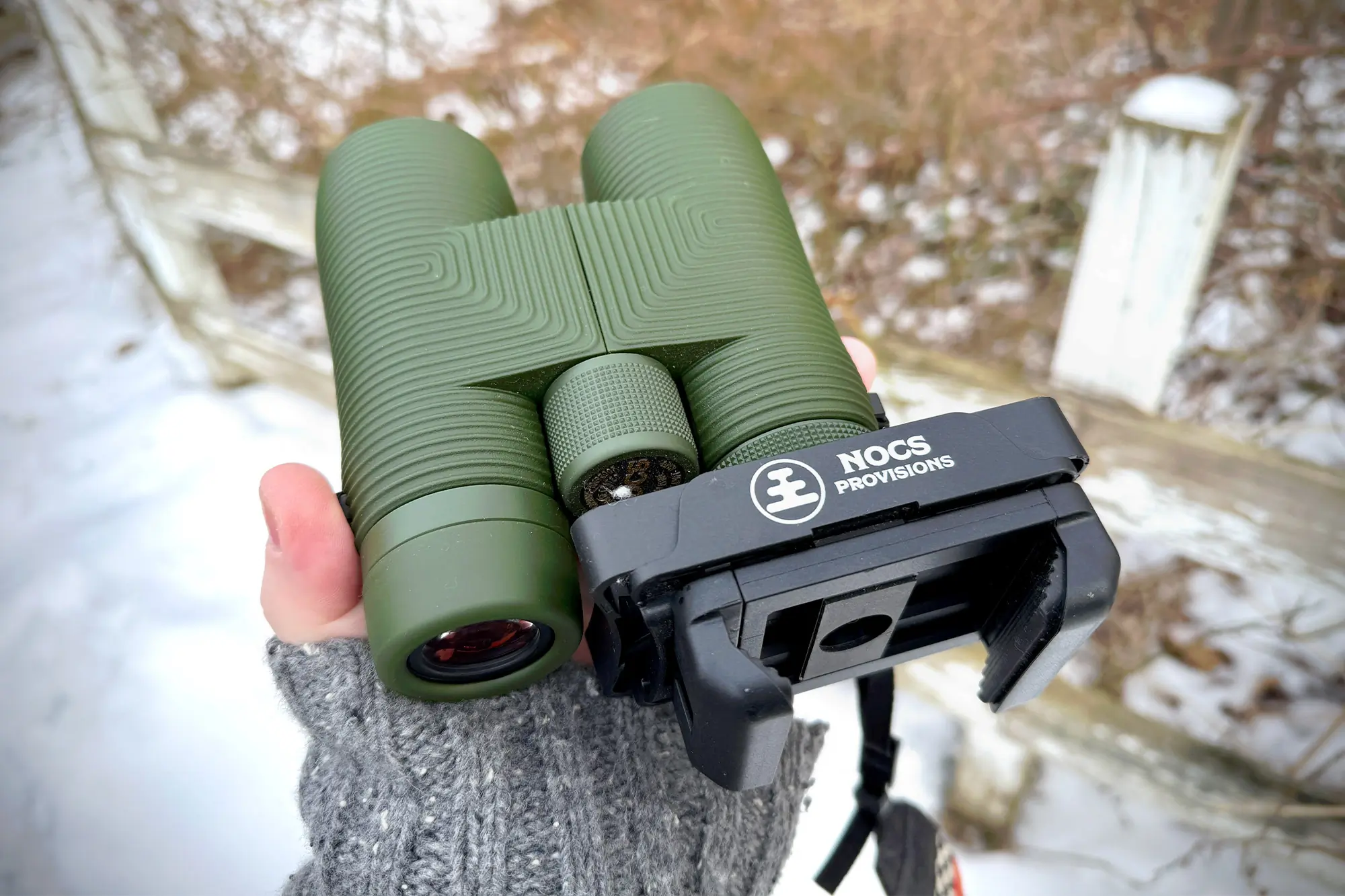
Credit: gearjunkie.com
Frequently Asked Questions
What Features Matter In Binoculars For Incident Response?
Durability, magnification, and low-light performance are vital. Waterproof and fog-proof designs ensure reliability in harsh conditions. Lightweight models reduce fatigue during long use. Clear, sharp images help identify threats quickly. These features improve situational awareness and response efficiency.
Which Magnification Is Ideal For Critical Incident Binoculars?
A magnification between 7x and 10x balances clarity and stability. Higher magnification can cause shaky images without stabilization. This range offers detailed views while maintaining a wide field of vision. It is optimal for quick and accurate threat assessment.
Are Waterproof Binoculars Essential For Critical Incident Use?
Yes, waterproof binoculars are crucial for all weather conditions. They prevent damage from rain, snow, or humidity. This durability ensures binoculars function reliably in unpredictable environments. Moisture resistance also enhances lens clarity and longevity.
How Important Is Low-light Performance In Incident Response Binoculars?
Low-light performance is critical for dawn, dusk, or nighttime operations. Binoculars with larger objective lenses gather more light. This improves visibility in dark or shaded areas. Enhanced low-light capability increases safety and operational effectiveness.
Conclusion
Choosing the right binoculars is crucial for incident response. Prioritize clarity and durability. Consider lightweight models for quick mobility. Look for features like night vision and water resistance. These enhance performance in diverse conditions. Budget-friendly options exist, balancing cost and quality.
Test different models before deciding. This ensures the best fit for your needs. Proper care extends the lifespan of your binoculars. Clean lenses regularly for optimal vision. Stay prepared with the right equipment. Effective response relies on reliable tools. Equip yourself wisely.
Stay ready for any situation.