When you pick up a pair of binoculars, one question might pop into your mind: how close can you really see? The answer lies in something called the close-focus distance.
This number tells you the shortest distance at which your binoculars can clearly focus on an object. Knowing the best close-focus distance can transform your viewing experience, whether you’re spotting birds in your backyard or inspecting details on a nearby tree.
If you want to make sure you’re getting the most out of your binoculars, understanding this simple but important feature is key. Keep reading, and you’ll discover exactly what close-focus distance means and how to choose the right one for your needs.
Close-focus Distance Basics
Close-focus distance is how near you can see an object clearly through binoculars. It is a key feature for many users.
Understanding close-focus helps you choose binoculars that fit your needs. Some activities require seeing objects very close.
What Close-focus Distance Means
Close-focus distance is the shortest space between the binocular lenses and the object. Within this range, the image stays sharp and clear.
- Measured in feet or meters
- Varies by binocular model
- Important for viewing insects, flowers, or small animals
- Typically ranges from 6 to 20 feet
- Shorter distance means better close-up viewing
Why Close-focus Matters In Binoculars
Close-focus affects what you can see clearly at short distances. It is vital for nature watchers and hobbyists.
| Activity | Ideal Close-Focus Distance |
| Bird Watching | 10 feet or less |
| Insect Observation | 6 to 8 feet |
| Hiking and General Use | 15 feet or more |
| Sports Events | 20 feet or more |
Credit: www.outdoorlife.com
Factors Affecting Close-focus Distance
The close-focus distance in binoculars is how near you can see clearly. This matters for viewing objects up close.
Several factors change this distance. Knowing these helps you pick binoculars that fit your needs.
Optical Design And Lens Quality
Good optical design lowers the close-focus distance. Binoculars with quality lenses show sharp images up close.
Lens coatings reduce glare and improve clarity. Better coatings let you focus closer without losing image quality.
- High-quality glass reduces distortions
- Advanced coatings enhance light transmission
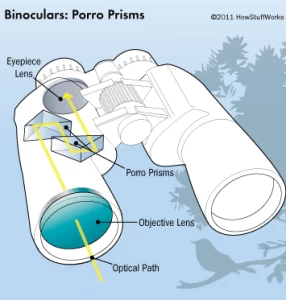
- Well-designed prisms improve focus range
Magnification And Its Impact
Higher magnification usually means a longer close-focus distance. It is harder to focus on very near objects.
Lower magnification binoculars let you see objects closer. They balance zoom and close viewing better.
- Low magnification: better for close viewing
- High magnification: better for distant objects
- Choose magnification based on your use
Binocular Size And Portability
Compact binoculars tend to have shorter close-focus distances. They are easier to carry and use for close views.
Larger binoculars may have longer close-focus distances but better light gathering. Size affects how close you can focus.
- Small size: easier close focusing and carrying
- Larger size: better for long-distance viewing
- Pick size that fits your activity and focus needs
Optimal Close-focus Distances For Different Uses
Close-focus distance is how near you can see an object clearly through binoculars. It matters for many activities. Choosing the right distance depends on what you want to observe.
This guide explains the best close-focus distances for birdwatching, hiking, and astronomy. It helps you pick binoculars that fit your needs.
Birdwatching And Wildlife Observation
Birdwatchers need binoculars that focus very close. Many birds and small animals come near. Close-focus distances under 10 feet are ideal. They show fine details like feathers and eyes.
- Close-focus under 6 feet is best for small birds.
- 7 to 10 feet works well for general wildlife.
- More than 10 feet may miss close details.
Hiking And Outdoor Activities
Hikers often want binoculars for both near and far views. A moderate close-focus distance lets you see plants and rocks clearly. It also helps spot animals at a distance.
| Activity | Recommended Close-Focus Distance |
| General Hiking | 10–15 feet |
| Botany Study | 5–10 feet |
| Scenic Viewing | 15+ feet |
Astronomy And Distant Viewing
Astronomy needs binoculars that focus far away. Close-focus distance is less important here. Most stars and planets are very far. A close-focus under 50 feet is enough for viewing the moon or nearby objects.
Key points for astronomy binoculars:
- Close-focus below 50 feet is good.
- Focus on sharpness and light gathering ability.
- Close-focus under 10 feet is not needed.

Credit: sightmark.com
Choosing Binoculars With The Best Close-focus
Close-focus distance is how near you can see an object clearly through binoculars. It matters for birdwatching and observing small things.
Choosing binoculars with a good close-focus lets you enjoy detailed views of nearby objects. Not all binoculars have the same close-focus ability.
Comparing Close-focus Specs
Look at the close-focus distance in the product details. It is usually in feet or meters. Smaller numbers mean better close-focus.
- Close-focus under 6 feet is excellent for close viewing
- Between 6 and 10 feet is good for most uses
- Over 10 feet may limit viewing of near objects
Testing Close-focus In Real Conditions
Specs do not tell the full story. Try binoculars outside to test close-focus yourself. Look at flowers or insects nearby.
Check if the image stays sharp and clear when you move closer. Some binoculars focus well near the minimum distance, others do not.
Balancing Close-focus With Other Features
Close-focus is important but not the only feature. Consider weight, size, and zoom power too. Find binoculars that fit your main use.
Sometimes you trade close-focus for better zoom or lighter design. Decide which features matter most before buying.
Expert Tips To Maximize Close-focus Performance
Close-focus distance in binoculars shows how near you can see objects clearly. Good close focus helps with birdwatching, nature observation, and sports.
Understanding the best close-focus distance lets you get sharp views of things near you. Here are tips to improve your binocular use at close range.
Adjusting Focus Efficiently
Use the central focus wheel and the diopter adjustment for clear images. Start by focusing on a distant object, then switch to a close one.
- Look at an object far away and turn the central wheel until it is sharp.
- Cover the eye on the side with the diopter and adjust it to focus the other eye.
- Uncover both eyes and use the central wheel to fine-tune focus on close objects.
- Practice this to make quick focus changes during use.
Maintaining Your Binoculars For Clear Close Views
Keep your binoculars clean and safe to preserve close-focus quality. Dirt and scratches reduce clarity.
| Maintenance Task | How to Do It |
| Clean lenses | Use a soft brush or lens cloth only |
| Store safely | Keep in a padded case away from dust |
| Check focus mechanics | Turn focus wheels gently to avoid damage |
| Avoid moisture | Use silica gel packs in storage case |
Avoiding Common Close-focus Mistakes
Many users make errors that hurt their close-focus experience. Avoid these to see better.
- Do not force the focus wheel if it feels stuck.
- Do not clean lenses with rough cloths or household cleaners.
- Do not use binoculars in heavy rain without waterproof protection.
- Do not ignore the diopter adjustment for individual eye differences.
- Avoid holding binoculars too close or too far from your eyes.
Credit: www.wexphotovideo.com
Frequently Asked Questions
What Is Close-focus Distance In Binoculars?
Close-focus distance is the shortest range binoculars can clearly focus on an object. It determines how near you can observe details without blurriness. A smaller close-focus distance is ideal for viewing insects, flowers, or any nearby objects with sharp clarity.
Why Is Close-focus Distance Important For Binoculars?
Close-focus distance matters because it affects detailed near-object viewing. If the distance is too large, nearby subjects appear blurry. Choosing binoculars with a short close-focus distance improves your ability to see fine details on close subjects, enhancing your overall viewing experience.
What Is The Best Close-focus Distance For Binoculars?
The best close-focus distance is typically 6 to 10 feet. This range allows comfortable observation of close objects without straining. Distances shorter than 6 feet are excellent for macro viewing, while longer distances suit general outdoor and wildlife observation.
How Does Close-focus Distance Affect Birdwatching?
Close-focus distance impacts birdwatching by enabling clear views of nearby birds. Birds often perch close, so binoculars with a short close-focus distance reveal finer feather and color details. It enhances birdwatching enjoyment and identification accuracy.
Conclusion
Choosing the right close-focus distance matters for clear, detailed views. Binoculars with a shorter close-focus let you see objects nearby sharply. This is great for birdwatching, nature, or sports events. Remember, different binoculars fit different needs. Think about how close you want to see before you buy.
A good close-focus distance makes your experience more enjoyable. It helps you connect better with what you observe. Take time to compare and pick what feels right for you. Clear views start with the right focus range.