Have you ever wondered how rescuers find people lost in the vast, icy Arctic wilderness? The Arctic is one of the harshest places on Earth, where visibility can be tricky and every second counts.
You might be surprised to learn that something as simple as binoculars plays a crucial role in rescue missions here. You’ll discover how these powerful tools help save lives when the environment is unforgiving. Keep reading to find out why binoculars are more than just gadgets—they could be the key to a successful Arctic rescue.

Credit: zarimex.eu
Role Of Binoculars In Arctic Rescues
Binoculars are important tools in Arctic rescue missions. They help rescuers see far and clear in tough conditions.
Using binoculars improves safety and speed during searches. They guide rescuers to find people who need help.
Enhanced Vision In Harsh Conditions
The Arctic has snow, ice, and strong winds. These make it hard to see without help.
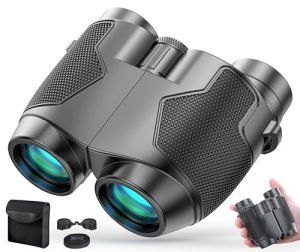
Binoculars use lenses to make distant objects look closer and clearer. This helps rescuers spot details far away.
- Magnify distant objects in low light
- Improve vision through snow and fog
- Reduce eye strain during long searches
Locating Victims At A Distance
Victims can be far from rescuers in the Arctic. Binoculars help find people by making them look closer.
Rescuers scan large areas quickly with binoculars. This saves time and increases chances of rescue.
- Spot signals like waving hands or clothing
- Identify shelters or camps from afar
- Track movement on snowy plains
Navigating Challenging Terrain
The Arctic landscape is full of ice ridges, cliffs, and snowdrifts. Binoculars help rescuers plan safe routes.
By looking ahead, rescuers avoid dangers and find easier paths. Binoculars show the terrain clearly from a distance.
- Identify safe walking paths
- Locate crevasses and hidden ice holes
- Check weather changes on the horizon
Credit: powerboatandrib.com
Types Of Binoculars Suitable For Arctic Use
Binoculars are important tools in Arctic rescue operations. They help rescuers see far distances in harsh conditions. Choosing the right type of binoculars is key for success.
Binoculars used in the Arctic must work well in cold, wet, and foggy weather. Some models are better suited for these conditions than others.
Waterproof And Fogproof Models
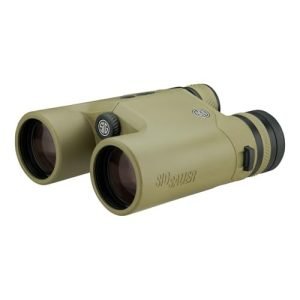
Waterproof binoculars prevent water from entering the lenses. This keeps the view clear during snow or rain. Fogproof models have sealed tubes filled with gas to stop fog inside.
These features are important in the Arctic. Cold air and moisture often cause fogging and water damage. Waterproof and fogproof binoculars ensure clear vision at all times.
- Sealed O-rings block moisture
- Nitrogen or argon gas prevents fog inside
- Durable coatings protect lenses from water
High Magnification Options
High magnification binoculars allow rescuers to see distant objects clearly. This is helpful when scanning wide snowy areas. A balance of magnification and stability is needed.
Too much magnification can make the image shaky. Rescue teams often use binoculars with 8x to 12x magnification. These offer good detail without losing steadiness.
- 8x to 12x magnification is common
- Wide field of view helps spot targets quickly
- Image stabilization aids steady viewing
Durability And Cold Resistance
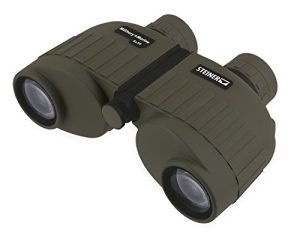
Arctic conditions are harsh on equipment. Binoculars must be rugged and work well in freezing temperatures. Cold resistance prevents damage to lenses and mechanics.
Many binoculars have rubber coatings for extra protection. They also use materials that do not become brittle in cold. This makes them reliable for Arctic rescue tasks.
- Rubber armoring absorbs shocks
- Body materials resist freezing and cracking
- Designed to operate in subzero temperatures
Challenges Faced During Arctic Rescues
Rescue teams in the Arctic face many hard challenges. The harsh environment makes every mission risky. Tools like binoculars help, but conditions still slow down efforts.
Understanding these challenges helps improve safety and success. The main problems include extreme weather, low visibility, and communication issues.
Extreme Weather Impact
The Arctic has very cold temperatures and strong winds. These conditions can stop rescues or damage equipment. Snow and ice build-up make moving hard and dangerous.
- Freezing temperatures can cause frostbite and hypothermia.
- High winds reduce the accuracy of binoculars and other tools.
- Heavy snow can cover signs of people needing help.
- Storms force teams to pause or delay rescue attempts.
Limited Visibility
Fog, snow, and polar night reduce how far rescuers can see. Binoculars help but have limits in such conditions. Poor visibility makes it hard to find victims quickly.
| Visibility Condition | Effect on Rescue |
| Fog | Blocks view, slows search |
| Snowfall | Makes spotting harder |
| Polar Night | Darkness limits vision |
Communication Barriers
Rescue teams often lose contact due to remote locations. Cold weather can damage radios and other devices. This slows coordination during critical moments.
Common communication problems include:
- Signal loss from terrain and weather
- Battery failure in low temperatures
- Limited satellite coverage
Complementary Tools Alongside Binoculars
Binoculars are useful in Arctic rescue operations. They help spot people and objects from far away. But rescue teams use other tools too. These tools work with binoculars to improve safety and success.
Combining different devices helps rescuers find people faster. It also helps them work in harsh Arctic conditions. Here are some important tools used alongside binoculars.
Thermal Imaging Cameras
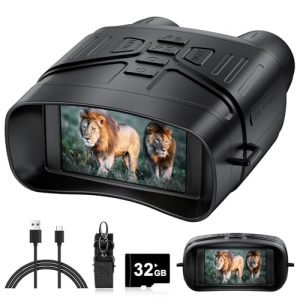
Thermal imaging cameras detect heat from people and animals. They work well in cold and dark environments. This makes them very useful in the Arctic, where daylight is limited.
These cameras help rescuers see through snow and fog. They can find lost persons even if they are hidden. Thermal cameras often attach to helmets or drones.
Drones For Aerial Surveys
Drones fly over large areas quickly. They give a bird’s-eye view of the terrain. Drones can spot signs of people or danger from the sky.
They can carry cameras, including thermal ones. This helps rescuers check places that are hard to reach. Drones save time and reduce risks for rescue teams.
- Survey large, remote areas fast
- Use cameras for better visibility
- Reach dangerous or hard terrain
- Send live video to rescue teams
Gps And Satellite Devices
GPS devices help rescuers know their exact location. This is important in the vast Arctic landscape. Satellite phones allow communication where regular phones fail.
These devices help teams plan routes and share positions. They improve coordination during rescue missions. GPS and satellite tools work well with binoculars and other equipment.
Training And Skills For Effective Use
Binoculars play a key role in Arctic rescue missions. Rescuers need special training to use them well. This training helps them spot people and objects in harsh conditions.
Skills in using binoculars improve safety and success in rescue work. Arctic conditions bring unique challenges that must be understood by every rescuer.
Spotting Techniques
Spotting in the Arctic requires sharp eyesight and steady hands. Rescuers learn how to scan wide areas and focus on small details. They practice adjusting binoculars for different distances and light levels.
- Scan slowly and systematically
- Use landmarks to judge distances
- Adjust focus for clear images
- Watch for movement or color changes
Interpreting Visual Data
Rescuers must understand what they see through binoculars. They learn to tell the difference between natural features and signs of life. Training includes recognizing shapes, colors, and shadows that show people or equipment.
| Visual Signal | Possible Meaning |
| White shape on snow | Clothing or shelter |
| Dark shadow | Person or animal |
| Bright color | Rescue gear or marker |
| Movement | Living being |
Maintenance In Cold Environments
Cold weather can damage binoculars. Rescuers must learn how to care for their gear. This includes cleaning lenses and protecting the binoculars from frost and moisture.
- Keep binoculars dry and warm when not in use
- Use lens covers to prevent scratches and frost
- Clean lenses with soft cloths only
- Avoid sudden temperature changes to prevent fogging
Credit: www.news.uscg.mil
Frequently Asked Questions
Are Binoculars Essential In Arctic Rescue Operations?
Yes, binoculars are essential in Arctic rescues. They help spot stranded individuals from a distance. This improves search efficiency in vast, icy terrains.
How Do Binoculars Improve Arctic Rescue Missions?
Binoculars enhance visibility over long distances. They help rescuers identify hazards and locate survivors quickly. This reduces search time and increases mission success rates.
What Features Make Binoculars Suitable For Arctic Use?
Arctic binoculars are waterproof and fog-resistant. They have durable, cold-resistant materials. These features ensure clear vision and reliable performance in extreme cold.
Can Binoculars Be Used Alongside Other Rescue Tools?
Yes, binoculars complement thermal imaging and GPS devices. They provide visual confirmation of locations and conditions. This combination boosts overall rescue accuracy.
Conclusion
Binoculars play a crucial role in Arctic rescue missions. They help spot people and obstacles from a distance. This can save lives. Visibility in the Arctic is challenging. Binoculars offer a clear view. They are vital tools for rescuers. Despite harsh conditions, binoculars perform well.
Their durability and functionality make them essential. Teams rely on them for successful operations. Every rescue mission needs effective tools. Binoculars provide that needed edge. They ensure safety and efficiency in rescue tasks. As technology advances, their importance only grows.
Binoculars remain a key asset in Arctic rescues.