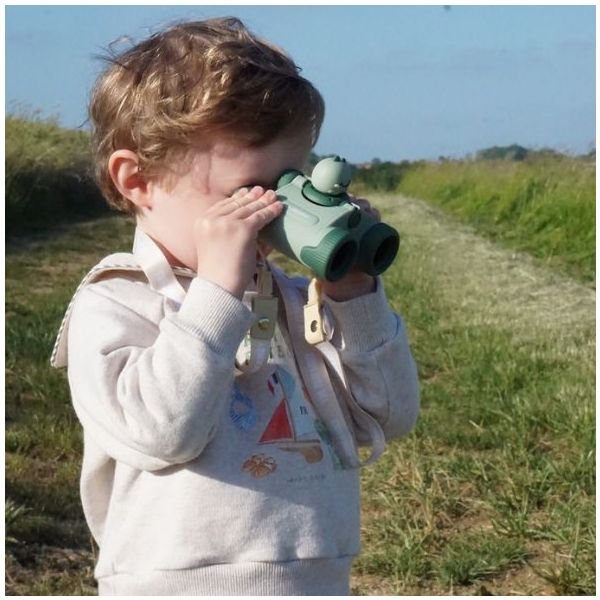
Have you ever wondered if your child can safely use binoculars at the zoo? Imagine the excitement your little one feels when spotting a distant tiger or a colorful bird up close.
Binoculars can turn a simple zoo visit into an unforgettable adventure, making every animal seem closer and more real. But are they easy and safe enough for kids to handle? Keep reading to discover how binoculars can enhance your family’s zoo experience, what to look for when choosing the right pair, and tips to make sure your child enjoys every moment without any hassle.
Your next zoo trip could become much more magical!
Choosing Kid-friendly Binoculars
Binoculars can make a trip to the zoo more fun for kids. They help children see animals up close. Choosing the right binoculars is important for their comfort and safety.
Parents should pick binoculars that fit kids’ needs. Size, weight, and safety matter most. Let’s look at key points to find the best binoculars for children.
Size And Weight Considerations
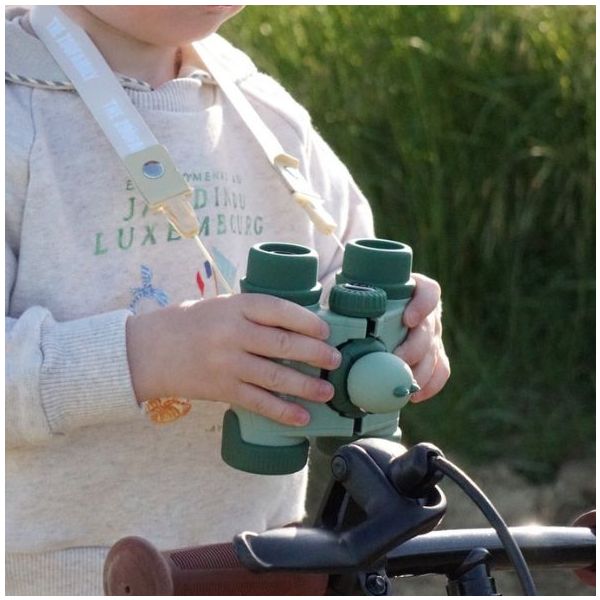
Binoculars should be small and light for kids to hold easily. Heavy binoculars can tire little hands fast. A good size helps kids carry them all day.
- Look for models that fit small hands comfortably.
- Choose lightweight materials like plastic or rubber.
- Check that the binoculars have a neck strap to prevent dropping.
Durability And Safety Features
Kids need binoculars that can handle rough use. Durable materials protect the lenses and body. Safety features keep children from harm.
| Feature | Benefit |
| Rubber coating | Shock absorption and better grip |
| Shatterproof lenses | Prevents glass breakage |
| Non-toxic materials | Safe if handled a lot |
| Adjustable straps | Keeps binoculars secure |
Magnification Levels For Kids
High magnification can make images blurry or shaky for kids. Lower magnification is easier to use and good for zoo visits. Choose binoculars with simple zoom levels.
- 5x to 7x magnification is ideal for young children.
- Lower power helps keep images steady and clear.
- Focus should be easy to adjust by small hands.
Credit: www.mylittleroom.ch
Preparing Kids For Binocular Use
Binoculars can make zoo visits more exciting for kids. They help children see animals up close safely. But kids need some guidance before using binoculars.
Teaching kids how to use binoculars properly keeps them safe. It also helps them enjoy their zoo experience more.
Basic Handling Instructions
Start by showing kids how to hold binoculars firmly. Explain the parts like the eyepieces and focus wheel. Teach them to keep both eyes open when looking through.
Remind kids not to point binoculars at the sun. This can hurt their eyes. Show them how to adjust the focus slowly to see clearly.
- Hold binoculars with both hands
- Keep both eyes open while looking
- Do not look at the sun
- Turn focus wheel gently
Practicing At Home
Before the zoo visit, practice using binoculars at home. Find objects at different distances for kids to focus on. This helps them get used to adjusting the focus.
Let kids explore the binoculars to build confidence. Praise their efforts and correct their handling gently. This makes the real zoo experience easier and fun.
- Use binoculars to look at toys or pictures
- Practice focusing on near and far objects
- Encourage careful and steady holding
- Give positive feedback to kids
Setting Expectations For Zoo Visits
Explain to kids what they will see at the zoo. Tell them animals may move fast or hide sometimes. This helps kids stay patient while using binoculars.
Set rules for binocular use at the zoo. For example, no running with binoculars and sharing with others. Clear rules keep everyone safe and happy.
- Tell kids animals may not always be visible
- Remind kids to walk slowly with binoculars
- Encourage sharing binoculars with friends or family
- Set limits on how long to use binoculars at a time
Safe Viewing Tips At The Zoo
Using binoculars at the zoo is fun for kids. It helps them see animals up close without disturbing them.
Parents and guardians should follow safety rules to keep kids and animals safe. Here are some tips for safe viewing.
Keeping A Safe Distance From Animals
Kids should use binoculars from a safe distance. Getting too close can scare animals or cause danger.
Stay behind fences and barriers. Teach kids to respect the animals’ space for their safety and the animals’ comfort.
- Always follow zoo signs and rules about distance.
- Never try to touch or feed animals.
- Use binoculars to see animals clearly from afar.
Avoiding Direct Sunlight Exposure
Binoculars should never be used to look directly at the sun. This can hurt kids’ eyes.
Teach kids to point binoculars only at animals or safe objects. Use shaded areas if the sun is very bright.
- Never look at the sun through binoculars.
- Use hats or sunglasses to protect eyes from sunlight.
- Take breaks in the shade to avoid eye strain.
Supervising Younger Children
Young children need adult supervision when using binoculars. They may need help aiming or holding them safely.
Watch kids closely to make sure they follow safety rules and do not get too close to animals or other visitors.
- Hold binoculars for very young kids if needed.
- Remind kids to stay calm and quiet near animals.
- Keep children close in crowded or busy areas.
Making Zoo Visits More Fun
Taking kids to the zoo is a great way to teach them about animals. Using binoculars can add excitement to the visit. Kids can see animals from far away and feel like explorers.
Binoculars help children focus on details they might miss. They can watch birds, spot animals hiding in trees, and enjoy a closer look at zoo life.
Interactive Animal Spotting Games
Playing spotting games with binoculars makes zoo trips fun. Kids can search for certain animals or colors. It helps them pay attention and learn.
- Look for animals with stripes or spots
- Count how many birds you see in the trees
- Spot animals eating or moving around
- Find animals that live in water areas
- Identify animals that sleep during the day
Using Binoculars For Bird Watching
Bird watching at the zoo is easier with binoculars. Kids can see small details like feather patterns and beak shapes. This helps them learn about different bird species.
| Bird Species | Color | Common Habitat |
| Flamingo | Pink | Wetlands |
| Macaw | Blue and Yellow | Rainforest |
| Owl | Brown and White | Woodlands |
| Peacock | Blue and Green | Grasslands |
Encouraging Curiosity And Questions
Binoculars make kids curious about animals. They ask questions about behavior and habitats. This leads to more learning and fun talks.
Try asking these questions during your visit:
- What do you think the animal eats?
- Why does it live in that area?
- How does it protect itself?
- What sounds does it make?
Maintaining And Caring For Binoculars
Binoculars help kids see animals clearly at the zoo. Keeping binoculars clean and safe makes them last longer. Proper care also gives a better viewing experience every time.
Parents and kids should learn simple ways to care for binoculars. This guide covers cleaning, storing, and checking for damage.
Cleaning Lenses Properly
Clean lenses carefully to avoid scratches. Use a soft cloth made for glasses. Avoid using your shirt or paper towels.
- Blow off dust with a small air blower or gently tap the binoculars.
- Use a microfiber cloth to wipe the lenses in a circular motion.
- For stubborn dirt, use lens cleaning solution made for optics.
- Do not use household cleaners or water on the lenses.
Storage Tips
Store binoculars in a dry, cool place to protect them. Keep them in a case when not in use to avoid dust and damage.
| Storage Tip | Reason |
| Use a padded case | Protects against bumps and scratches |
| Keep away from direct sunlight | Prevents lens and body damage |
| Store in a dry area | Stops moisture and mold growth |
| Remove batteries if unused for long | Avoid battery leaks and corrosion |
Regular Checks For Damage
Check binoculars often for signs of damage. Look for loose parts, cracks, or dirt inside the lenses.
- Inspect the body for cracks or dents.
- Turn the focus wheel to ensure smooth movement.
- Check the lens caps for tight fit and cleanliness.
- Look through the binoculars to spot any fog or scratches.
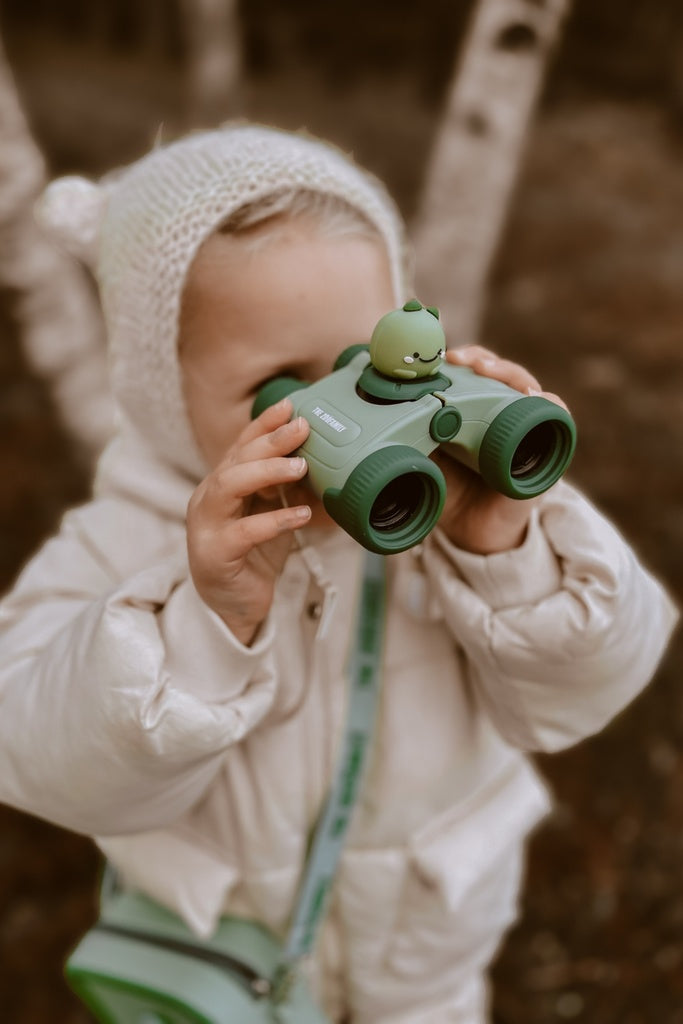
Credit: chloesclosetmalta.com
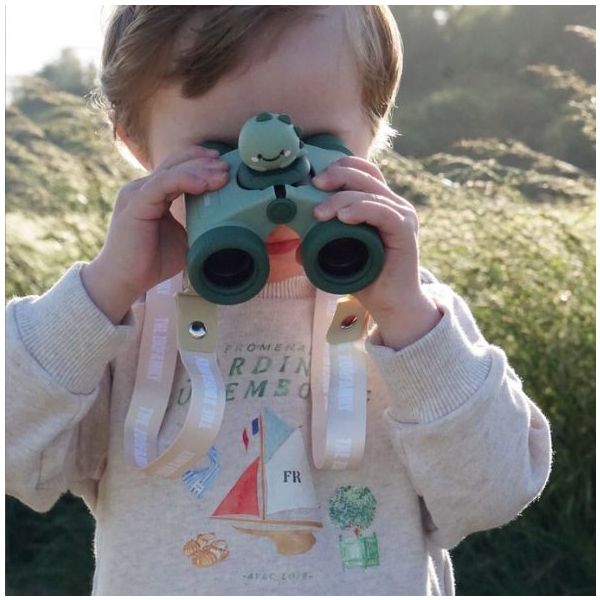
Credit: www.mylittleroom.ch
Frequently Asked Questions
Can Kids Safely Use Binoculars At The Zoo?
Yes, kids can safely use binoculars at the zoo with proper supervision. Child-friendly binoculars with durable, lightweight designs are ideal. These help children explore animals closely without risks, enhancing their zoo experience.
What Age Is Suitable For Kids To Use Binoculars?
Children aged 3 and above can start using binoculars. However, younger kids need adult guidance for safe and effective use. Choosing binoculars with adjustable focus and easy grip ensures a better experience for young users.
Do Binoculars Improve Kids’ Learning At The Zoo?
Absolutely, binoculars enhance kids’ learning by providing close-up views of animals. They encourage observation skills and curiosity about wildlife. This hands-on experience makes zoo visits educational and exciting for children.
Which Binoculars Are Best For Kids At The Zoo?
Look for binoculars that are lightweight, durable, and have low magnification (around 4x to 6x). Waterproof and shockproof models with rubber coatings offer safety and comfort. These features make binoculars kid-friendly and zoo-appropriate.
Conclusion
Kids can enjoy binoculars at the zoo. They make animal watching fun. Binoculars help spot distant animals easily. They offer a unique perspective. Kids feel like explorers discovering wildlife. This tool boosts their curiosity and learning. Parents can guide them on using binoculars safely.
It’s a simple, enriching addition to any zoo trip. Plus, it encourages more outdoor activities. So, consider adding binoculars to your next zoo visit. They could turn an ordinary day into an exciting adventure. Enjoy your time at the zoo with your little explorers!