Have you ever wondered if your binoculars can get close enough to see every important detail for surveillance? Whether you’re watching wildlife, keeping an eye on a property, or just curious about how far your binoculars can take you, understanding their zoom capabilities is key.
You’ll discover exactly how binoculars work when it comes to zooming in, what limits you might face, and how to choose the right pair for your needs. Keep reading, and you’ll learn how to make sure your binoculars don’t leave you guessing when it really matters.

Credit: gtguardhunt.com
Binocular Basics
Binoculars help you see distant objects clearly. They are used for many activities like bird watching and sports.
People often wonder if binoculars can zoom enough for surveillance. Understanding binocular basics helps answer this.
How Binoculars Work
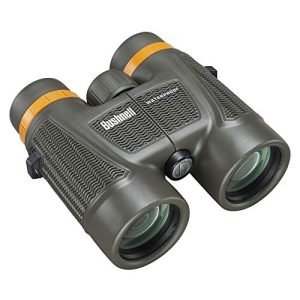
Binoculars use two lenses to magnify far objects. They make things look closer than they really are.
Light passes through the lenses and prisms inside. The prisms flip the image right side up.
- Objective lenses gather light and focus the image
- Prisms correct the image orientation
- Eyepieces magnify the image for your eyes
- Focus adjustment sharpens the view
Key Specifications
Binoculars have two important numbers. The first is magnification, and the second is lens diameter.
Magnification shows how much closer objects appear. Lens diameter affects brightness and clarity.
| Specification | Description |
|---|---|
| Magnification (e.g., 10x) | Makes objects look 10 times closer |
| Objective Lens Diameter (e.g., 42mm) | Size of front lens that gathers light |
| Field of View | Width of the visible area at a distance |
| Exit Pupil | Light beam size reaching your eye |
| Eye Relief | Distance eyes can be from eyepiece |
Zoom Capabilities
Binoculars offer different zoom options to see distant objects clearly. The zoom strength affects how close you can view a subject for surveillance.
Understanding zoom types helps decide if binoculars fit surveillance needs.
Optical Vs Digital Zoom
Optical zoom uses lenses to magnify images without losing quality. It moves glass elements inside the binoculars to zoom in on objects.
Digital zoom enlarges the image electronically. It crops and stretches the picture, which lowers the image quality.
- Optical zoom keeps image sharp and clear.
- Digital zoom can cause pixelation and blur.
- Optical zoom is better for long-distance viewing.
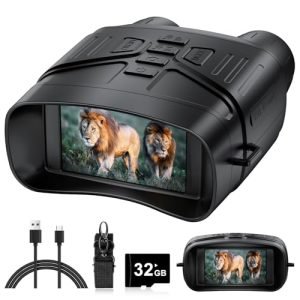
- Digital zoom is common in digital binoculars and cameras.
Common Zoom Ranges
Binoculars come with various zoom levels. The zoom range shows how many times closer an object appears.
| Zoom Range | Description |
| 6x to 8x | Good for general use and short distances. |
| 10x to 12x | Suitable for detailed viewing at medium distances. |
| 15x and above | Used for long-distance observation and surveillance. |
Surveillance Requirements
Binoculars are common tools for watching objects far away. People often ask if binoculars can zoom enough for surveillance tasks.
Understanding surveillance needs helps decide if binoculars are suitable. Different situations need different levels of zoom and clarity.
Distance And Detail Needs
Surveillance often requires seeing objects clearly from far away. The needed zoom depends on how far the target is and how much detail is needed.
Binoculars usually have fixed zoom levels. They can help with medium distances but may not show fine details at very long ranges.
- Short distance: standard binocular zoom works well
- Medium distance: higher zoom binoculars may be needed
- Long distance: binoculars alone might not provide enough detail
- Fine detail: requires clear optics and high magnification
Lighting And Environmental Factors
Good lighting helps binoculars show clear images. Low light or bad weather can reduce visibility and zoom effectiveness.
Environmental issues like fog, rain, or dust also affect how well binoculars work during surveillance.
- Bright daylight improves image clarity
- Low light needs binoculars with larger lenses
- Fog or rain lowers image sharpness
- Clear air helps see details at longer distances

Credit: www.amazon.ca
Comparing Binoculars To Other Tools
Binoculars are popular for seeing things far away. They are easy to carry and use. But are they good enough for surveillance?
There are other tools like spotting scopes, monoculars, and cameras. Each has strong points and limits. Let’s look at these tools and compare them to binoculars.
Spotting Scopes
Spotting scopes have higher zoom than binoculars. They often zoom from 20x to 60x. This helps see small details far away.
They are heavier and need a tripod to stay steady. This makes them less handy for quick use. But for long surveillance, they work well.
- Higher zoom power than binoculars
- Better for long-distance viewing
- Usually requires a tripod
- Less portable due to size and weight
Monoculars And Cameras
Monoculars are small and light. They have less zoom than spotting scopes but are easier to carry than binoculars. They are good for quick looks.
Cameras with zoom lenses can capture images from far away. They allow you to save and review pictures. But good zoom cameras can be bulky and expensive.
- Monoculars are compact and lightweight
- Monoculars offer moderate zoom levels
- Cameras can record and save images
- Zoom cameras can be heavy and costly
Expert Tips For Choosing Binoculars
Binoculars are useful for many activities, including bird watching and sports. Some people wonder if binoculars zoom enough for surveillance. Choosing the right binoculars helps you see clearly at a distance.
This guide shares expert tips to help you pick binoculars that balance zoom and clarity. We also cover durability and portability for easy use.
Balancing Magnification And Clarity
Higher magnification lets you see far away objects closer. But too much zoom can make the image blurry or shaky. Look for binoculars with magnification between 8x and 12x for good balance.
Clarity depends on lens quality and size. Larger lenses let in more light and show clearer images. Choose binoculars with lenses at least 30mm wide for better brightness and detail.
- Magnification: 8x to 12x is ideal
- Lens diameter: 30mm or larger
- Check for coated lenses to reduce glare
Durability And Portability
Durable binoculars last longer and handle rough use. Look for models with rubber armor or waterproof features. These protect against drops and bad weather.
Portability is key if you carry binoculars often. Compact and lightweight designs make them easier to use on the go. Consider folding or roof prism styles for smaller size.
- Rubber coating for shock resistance
- Waterproof and fog-proof features
- Compact size for easy carrying
Limitations In Surveillance Use
Binoculars are common tools for seeing distant objects. People often wonder if they can zoom in enough for surveillance tasks. Surveillance needs clear and detailed views, which can be hard to get with binoculars.
Binoculars have limits that affect how well they work for watching someone or something closely. These limits include zoom power, stability, and focus challenges.
Zoom Limits
Binoculars can zoom in, but their zoom level is limited. Most binoculars offer fixed magnification, usually between 7x and 12x. This zoom level may not be strong enough for detailed surveillance from far away.
Higher zoom binoculars can be bulky and hard to use. Digital zoom options often reduce image quality. This makes it tough to see small details needed for surveillance clearly.
- Typical zoom range: 7x to 12x
- Higher zoom means bigger and heavier binoculars
- Digital zoom lowers image quality
- Zoom too low for very distant objects
Stability And Focus Challenges
Zooming in makes binoculars sensitive to shaking. Even small hand movements blur the image. This makes it hard to keep a steady view during surveillance.
Focusing can be tricky at high zoom levels. Objects far away may appear blurry if the focus is off. Constant adjusting is needed, which is not ideal for long surveillance periods.
- Hand shake causes blurry images
- High zoom needs steady support or tripod
- Focus adjustment is difficult at long distances
- Long use can cause eye strain
Enhancing Surveillance Effectiveness
Binoculars help see distant objects clearly. Their zoom can improve surveillance tasks. Yet, to get the best view, extra tools often help.
Using the right equipment with binoculars can reduce shakiness and improve image quality. This makes surveillance more effective and easier to do.
Using Tripods And Stabilizers
Tripods keep binoculars steady during long viewing times. They prevent hand movements from blurring the image. Stabilizers also help by balancing the binoculars and reducing shake.
- Tripods provide a firm base for clear viewing
- Stabilizers reduce vibration caused by hand movements
- Both tools improve comfort during long surveillance sessions
- They allow better use of high-zoom binoculars without blur
Additional Accessories
Other accessories can improve binocular use for surveillance. These include lens covers, cleaning kits, and smartphone adapters. They help maintain clear vision and add functionality.
| Accessory | Purpose |
| Lens Covers | Protect lenses from dust and scratches |
| Cleaning Kits | Keep lenses clear for sharp images |
| Smartphone Adapters | Capture images or videos through binoculars |

Credit: www.yahoo.com
Frequently Asked Questions
Can Binoculars Provide Effective Zoom For Surveillance?
Binoculars offer moderate zoom, typically 7x to 20x magnification. They are suitable for casual surveillance but may lack detail for long distances. For detailed observation, specialized spotting scopes or digital zoom devices are better options.
What Magnification Level Is Ideal For Surveillance Binoculars?
A magnification of 10x to 15x is ideal for general surveillance. It balances zoom power and image stability. Higher magnifications can cause shaky images unless stabilized with a tripod or image stabilization features.
Do Binoculars Have Zoom Or Fixed Magnification?
Most binoculars have fixed magnification, meaning you cannot zoom in or out. Zoom binoculars exist but often compromise image quality and brightness. Fixed magnification binoculars provide clearer, sharper images for surveillance purposes.
How Does Image Stabilization Impact Surveillance Binoculars?
Image stabilization reduces hand-shake effects, making high magnification usable. It improves clarity during prolonged observation. Binoculars with stabilization are preferred for surveillance as they provide steady, sharp images even at high zoom levels.
Conclusion
Binoculars can be useful for surveillance. Their zoom capability varies. Some models offer good detail. Others might not meet surveillance needs. Choose binoculars based on specific requirements. Consider distance and clarity. Always prioritize quality over price. Test different options before purchasing.
This ensures the best fit for your needs. Remember, proper research leads to better results. Binoculars aren’t always the best solution. Sometimes, other tools work better for surveillance. Always evaluate your situation carefully. Make informed decisions for effective monitoring.