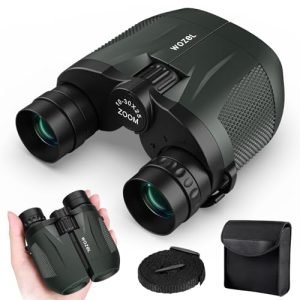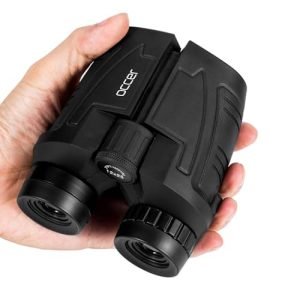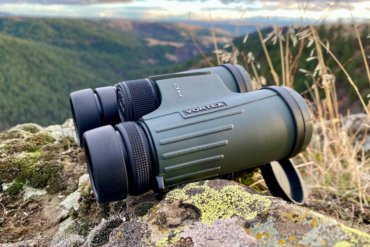
When you’re involved in cliff rescue, every second counts and every detail matters. Having the right binoculars can make a huge difference in spotting someone in trouble, assessing the situation, and planning a safe rescue.
But with so many options out there, how do you know which binoculars will truly help you when lives are on the line? You’ll discover exactly what features to look for and which binoculars professionals trust for cliff rescue missions.
Keep reading to find out how the right gear can give you the clear vision and confidence you need when it matters most.

Credit: www.youtube.com
Key Features For Cliff Rescue Binoculars
Binoculars used in cliff rescue must be reliable and clear. They help rescuers see distant objects and people in danger.
Choosing the right binoculars improves safety and success during rescue missions. Certain features make them suitable for harsh conditions.
Durability And Build Quality
Cliff rescue binoculars need to be tough and strong. They face rough handling and falls in rocky areas.
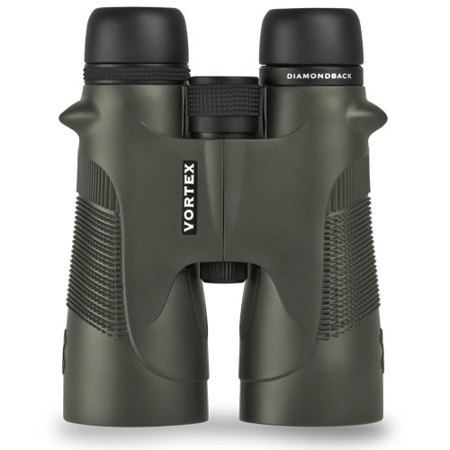
Look for models made with sturdy materials like rubber armor and metal frames. These protect the binoculars from shocks and drops.
Magnification And Field Of View
Good magnification helps rescuers spot details at a distance. Too much magnification can make images shaky.
A wide field of view lets you see more area at once. This helps in scanning cliffs quickly and spotting movement.
- Magnification around 8x to 10x is ideal
- Wide field of view covers more area
- Balance between zoom and stability is important
Weather Resistance
Binoculars must work well in all weather. Rain, fog, and dust can affect vision and damage parts.
Waterproof and fog-proof features are essential. Nitrogen or argon gas filling prevents fog inside lenses.
- Waterproof seals keep moisture out
- Fog-proof inside lenses for clear view
- Resist dust and dirt in rough environments
Weight And Portability
Lightweight binoculars are easier to carry during long rescues. Heavy gear slows down movement on cliffs.
Compact designs fit in pockets or bags. This makes them ready to use anytime without extra bulk.
- Lightweight for easy carrying
- Compact size fits in rescue packs
- Easy to hold steady during use
Lens Quality And Coatings
Clear and bright images are crucial for spotting details. High-quality lenses reduce distortion and glare.
Coatings on lenses improve light transmission. They give sharper views in low light and reduce reflections.
- Multi-coated lenses increase brightness
- Reduce glare for clear images
- Provide sharp and detailed views
Credit: mohonkpreserve.medium.com
Essential Benefits In Rescue Situations
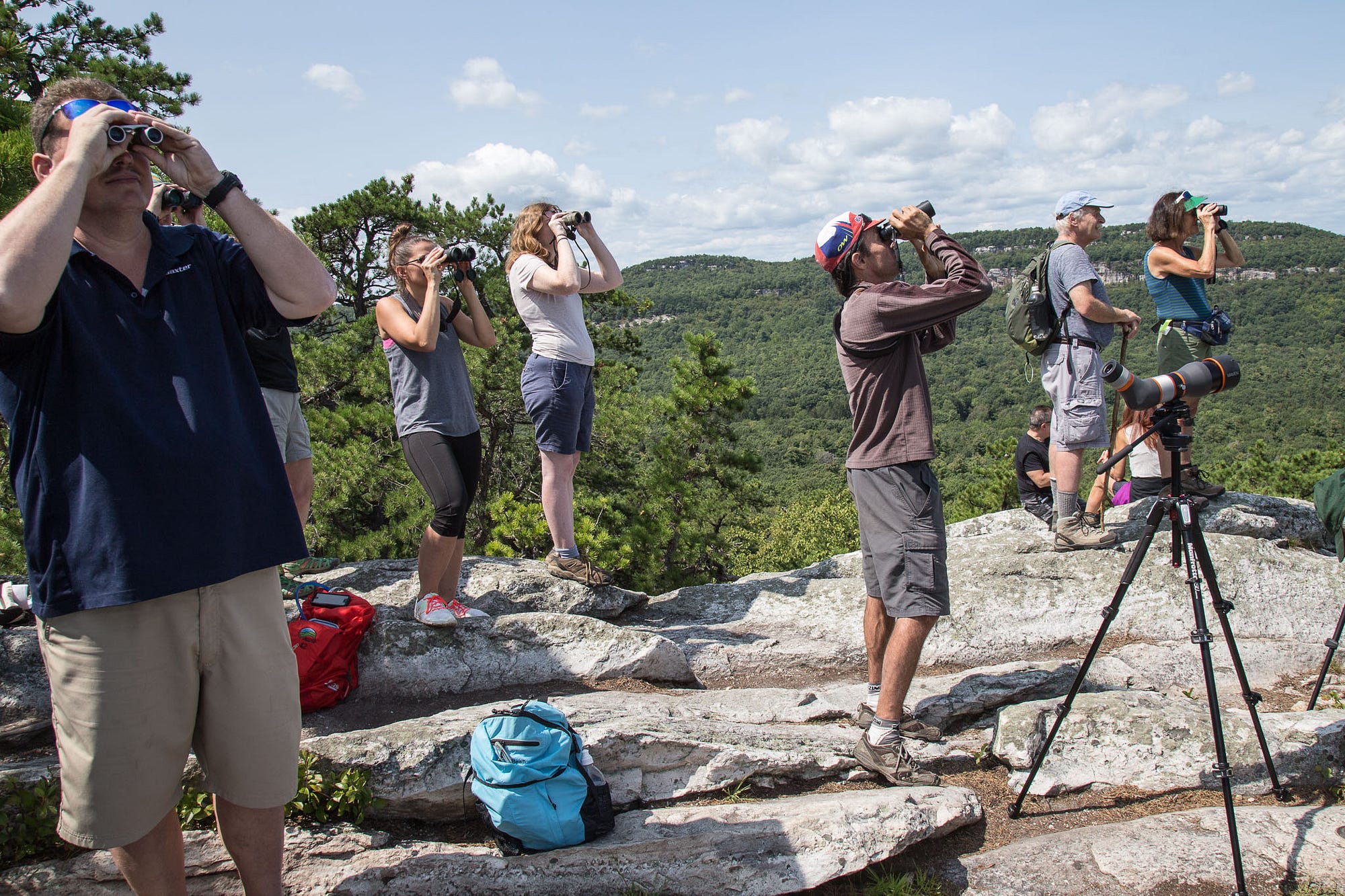
Binoculars play an important role in cliff rescue missions. They help rescuers see far away and find people quickly. Using the right binoculars can make rescue work safer and faster.
Rescuers often face tough conditions. Binoculars with specific features can help them handle these challenges with ease.
Enhanced Visibility At Long Distances
Binoculars allow rescuers to spot people or objects from far away. This helps in planning the rescue and avoiding dangerous areas. Clear, sharp images are needed for accurate assessments.
| Feature | Benefit |
|---|---|
| High Magnification | See details clearly at long range |
| Wide Field of View | Scan large areas quickly |
| Image Stabilization | Reduce shaking for steady views |
Quick Target Acquisition
Rescuers must find targets fast. Binoculars with good focusing speed and comfortable grip help with this task. Clear optics reduce eye strain during urgent searches.
- Fast focusing lenses
- Ergonomic design for steady hold
- Lightweight to reduce fatigue
Low Light Performance
Many cliff rescues happen at dawn, dusk, or cloudy days. Binoculars with large objective lenses and good coatings gather more light. This improves visibility in dim conditions.
These features help rescuers spot movement and read signals even when light is poor.
Hands-free Options
Sometimes rescuers need both hands free for safety. Binoculars with neck straps or harness mounts provide this option. This allows quick use and easy access without holding them all the time.
- Reduces hand fatigue
- Increases safety on rough terrain
- Allows quick shifting between tasks
Top Binoculars For Cliff Rescue
Cliff rescue demands precise and reliable binoculars. These help rescuers spot people and hazards from a distance. Choosing the right binoculars can improve safety and success in rescue missions.
Different features suit different rescue needs. Factors like size, weight, magnification, and durability matter. This guide covers top binocular types for cliff rescue tasks.
Best Overall Performer
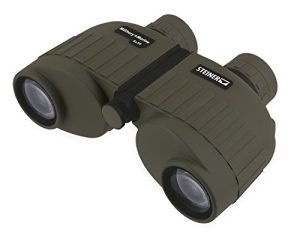
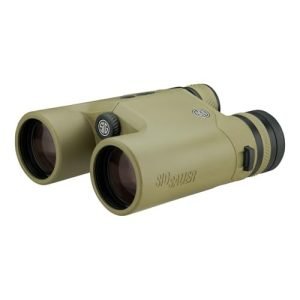
The best overall binoculars balance clarity, durability, and ease of use. They offer sharp images with good light transmission. These models work well in various weather conditions and lighting.
Look for binoculars with a wide field of view and comfortable grip. Rubber armor adds protection against drops. These features help rescuers act quickly and safely.
Best Budget Option
Budget binoculars can still perform well in cliff rescues. They might have smaller lenses or fewer coatings but remain functional. These models suit those who need dependable gear without high cost.
- Affordable price with decent optics
- Lightweight for easy carrying
- Simple focus mechanism
- Basic water resistance
Lightweight And Compact Choice
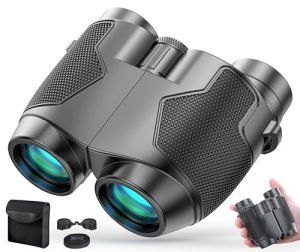
Lightweight binoculars reduce fatigue during long missions. Compact designs fit easily in rescue packs. They offer good image quality without adding bulk or weight.
These are ideal when rescuers need to move fast or climb. A smaller size helps maintain balance and freedom of movement.
High Magnification Pick
High magnification binoculars help spot details far away. They are useful on large cliffs where distance is great. But high power can make the view shaky without a stable hold.
| Feature | Benefit |
| 10x or higher magnification | See distant objects clearly |
| Image stabilization (optional) | Reduce hand shake effects |
| Wide field of view | Track moving subjects better |
Waterproof And Fogproof Models
Waterproof and fogproof binoculars resist rain and moisture. They use sealed lenses with nitrogen or argon gas inside. These prevent fogging during cold or wet conditions.
Important features include:
- O-ring seals to keep water out
- Anti-reflective lens coatings
- Strong body materials for tough use
Tips For Choosing Rescue Binoculars
Choosing the right binoculars is important for cliff rescue work. Rescue teams need clear views to spot people quickly and safely.
Good binoculars help rescuers see details from far away. This guide offers tips to pick the best binoculars for rescue tasks.
Assessing Rescue Environment
Think about where you will use the binoculars. Cliff rescues often happen in rough outdoor settings with bad weather.
Choose binoculars that work well in rain, fog, and low light. Waterproof and fog-proof models are best for harsh conditions.
- Check if the area has strong winds or rain
- Consider if you need to see in low light or at night
- Look for durable and weather-resistant features
Balancing Magnification And Stability
High magnification helps see far but can make images shaky. Low magnification gives a wider view and steadier picture.
Pick binoculars with a good balance. A 7x to 10x magnification usually works well for cliff rescue.
- Higher magnification is harder to hold steady
- Lower magnification offers better stability
- Consider using a tripod for very high magnification
Testing Comfort And Grip
Rescuers often hold binoculars for a long time. Choose models that feel comfortable and easy to grip.
Look for binoculars with rubber coatings and ergonomic shapes. These help prevent slipping and reduce hand fatigue.
- Try binoculars with padded eye cups
- Check if the focus knob is easy to reach
- Test the weight to avoid heavy gear
Considering Additional Features
Extra features can improve rescue work. Some binoculars include range finders or built-in compasses.
Think about what special tools help your team. Night vision or image stabilization may be useful in some rescues.
- Waterproof and fog-proof seals
- Wide field of view for scanning large areas
- Built-in range finders or compasses
- Image stabilization for shaky hands
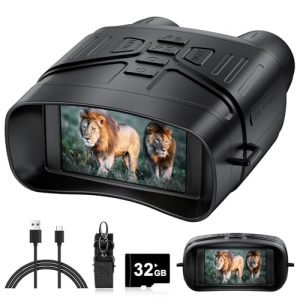
- Night vision for low light conditions
Maintenance And Care For Rescue Binoculars
Rescue binoculars must work well in tough conditions. Proper care keeps them clear and reliable. Regular maintenance helps rescue teams see better and act faster.
Cleaning, storing, and checking binoculars often stops damage. This care extends their life and keeps them ready for any rescue.
Cleaning Lenses Safely
Dirty lenses block your view and make rescue hard. Clean lenses carefully to avoid scratches. Use soft cloths and special lens cleaner only.
Do not use rough materials or household cleaners. Blow dust off with air before wiping. Clean from the center of the lens outward.
- Use a microfiber cloth for wiping
- Use lens cleaning solution or water
- Blow dust off with a gentle air blower
- Wipe in gentle, circular motions
- Avoid touching lenses with fingers
Storage Recommendations
Store binoculars in a dry, cool place to avoid damage. Keep them in a protective case when not in use. This prevents dust and moisture from harming them.
Do not leave binoculars in direct sunlight or wet areas. Keep them away from strong magnets and chemicals. Proper storage helps keep the lenses and body safe.
- Use a padded carrying case
- Keep binoculars away from heat and moisture
- Store in a clean, dry place
- Remove batteries if not used for a long time
- Keep lens caps on when stored
Regular Inspection And Repairs
Check binoculars often for cracks, loose parts, or fog inside. Early repairs stop big problems. Inspect the focus and zoom to ensure smooth use.
If you find damage, fix it quickly. Use professional repair services for serious issues. Regular checks help keep binoculars ready for rescue missions.
- Look for scratches on lenses
- Check for loose screws or hinges
- Test focus and zoom functions
- Inspect seals for water resistance
- Service by professionals if needed
Credit: www.adorama.com
Frequently Asked Questions
What Features Make Binoculars Ideal For Cliff Rescue?
Binoculars for cliff rescue need high magnification and a wide field of view. They should be lightweight, waterproof, and have good image stabilization for clear viewing under tough conditions.
Why Is Magnification Important In Rescue Binoculars?
Magnification helps rescuers see distant subjects clearly. Typically, 8x to 10x magnification balances detail and stability, ensuring rescuers identify hazards and victims from afar without image shaking.
How Does Waterproofing Benefit Cliff Rescue Binoculars?
Waterproof binoculars withstand rain, mist, and wet conditions common in cliff areas. This durability ensures reliable performance, preventing fogging and damage during critical rescue operations.
Are Compact Binoculars Suitable For Cliff Rescue?
Compact binoculars are easier to carry but may lack sufficient magnification and field of view. Rescue teams prefer mid-sized models for optimal balance between portability and performance.
Conclusion
Choosing the right binoculars is crucial for cliff rescue operations. Binoculars with high magnification help spot climbers quickly. Durable and lightweight models are best for tough conditions. Waterproof and fog-proof features ensure clear vision in harsh weather. A wide field of view allows rescuers to see more at once.
Always consider the specific needs of your rescue team. The right binoculars enhance safety and efficiency during rescues. Keep these tips in mind when selecting your gear. Your choice could save lives during crucial rescue missions.