Have you ever wondered how rescue helicopters spot people in trouble from high above? Imagine being up in the sky, trying to find someone who needs help in a vast, challenging landscape.
This is where binoculars become a lifesaver. You’ll discover exactly how rescue teams use binoculars to see far and wide, making quick, life-saving decisions. Keep reading, and you’ll learn the secrets behind these powerful tools that help save lives every day.
Role Of Binoculars In Rescue Missions
Rescue helicopters rely on many tools to find people in danger. Binoculars help pilots and crew see far away objects clearly. They improve the chances of a successful rescue.
These devices are easy to carry and use. They allow rescuers to spot signs of trouble from a distance. Binoculars are important in many rescue situations.
Enhancing Visual Range
Binoculars increase the visual range of rescue teams. They make distant objects appear closer and clearer. This helps crews locate people or hazards quickly.
With binoculars, pilots can scan large areas faster. They can spot small details that the naked eye might miss. This saves time in critical moments.
Identifying Distress Signals
Binoculars help rescue teams recognize distress signals from afar. People in trouble may use flags, lights, or smoke to attract attention.
- Spotting waving arms or flags
- Seeing smoke or fire signals
- Detecting flashing lights or mirrors
- Noticing unusual movements or shapes
Navigating Challenging Terrain
Binoculars assist pilots in understanding the land below. They can identify rivers, cliffs, forests, and roads. This knowledge guides safe flying and landing.
| Terrain Type | Binocular Use |
| Mountainous Areas | Spot safe landing spots |
| Forests | Find clearings and paths |
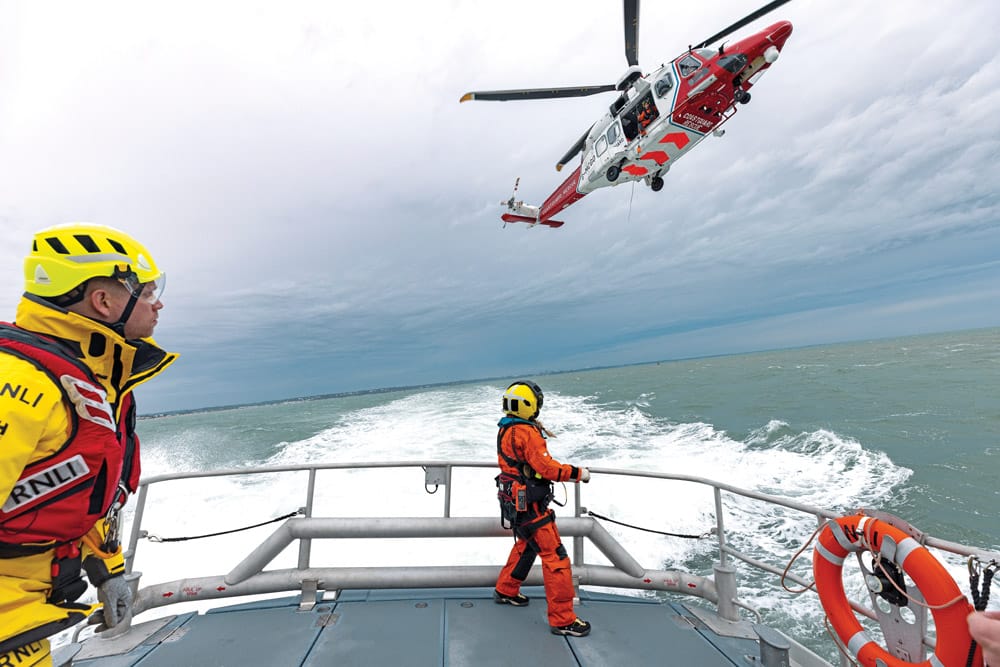
| Coastal Regions | Locate boats or swimmers |
| Urban Zones | See crowded or open spaces |
Credit: powerboatandrib.com
Types Of Binoculars Used By Rescue Teams
Rescue helicopters use binoculars to spot people and objects from the sky. These tools help teams see far distances clearly. Different binoculars serve different needs during rescue missions.
Choosing the right binoculars is important for safety and success. Rescue teams pick models based on their mission and environment.
Standard Vs. Specialized Models
Standard binoculars are common and easy to use. They work well for general viewing but may lack some features needed for rescue work.
Specialized binoculars have extra features for rescue missions. They offer better zoom, clearer images, and tools for low light or harsh conditions.
- Standard models: simple, affordable, lightweight
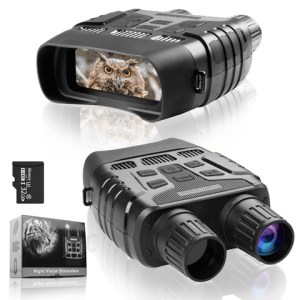
- Specialized models: enhanced zoom, night vision, range-finding
- Specialized models suit complex rescue tasks better
Features For Aerial Use
Binoculars used in helicopters must work well at high speeds and altitudes. They need to give steady images despite movement.
Many models have image stabilization and wide fields of view. These features help pilots and crew scan large areas quickly and clearly.
- Image stabilization reduces blur from helicopter movement
- Wide field of view helps spot targets faster
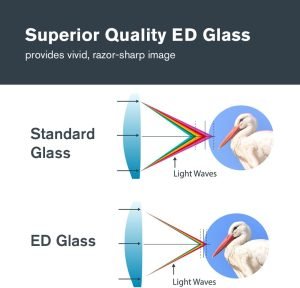
- Good light transmission improves visibility in dim light
Durability And Weather Resistance
Rescue binoculars face tough conditions like rain, wind, and dust. They must be strong and keep working in bad weather.
Most models are waterproof and shockproof. They have rubber coatings to protect against drops and rough handling.
- Waterproof seals prevent damage from rain and moisture
- Shockproof bodies protect internal lenses and parts
- Rubber armor provides grip and impact resistance
Techniques For Using Binoculars In Flight
Rescue helicopters use binoculars to spot people and objects from the air. Using binoculars while flying is hard because the helicopter moves fast.
Pilots and crew must use special techniques to keep their vision clear and find what they need quickly. These techniques help with steady viewing, good communication, and adjusting to flight conditions.
Stabilizing Vision In A Moving Helicopter
The helicopter’s movement makes it hard to keep binoculars steady. Crew members use these methods to reduce shaking and get a clear view.
- Hold binoculars with both hands close to the body.
- Rest elbows on the helicopter frame or knees for support.
- Use image-stabilizing binoculars to reduce blur.
- Focus on a fixed point before scanning the area.
- Take short breaks to avoid eye strain from constant movement.
Coordinating With Ground Teams
Binoculars help crew see details on the ground. Clear communication with ground teams improves rescue efforts. Both teams share important information.
| Communication Method | Purpose |
| Radio | Share locations and updates |
| Hand Signals | Signal nearby team members silently |
| Maps and GPS | Confirm exact rescue spots |
| Visual Spotting | Identify hazards or victims |
Adjusting For Altitude And Speed
Altitude and speed affect how well binoculars work. Crew members adjust settings and scanning methods to match flying conditions.
Key adjustments include:
- Changing focus for distance as altitude changes.
- Scanning slower at high speed to avoid missing details.
- Using zoom to spot small objects from far away.
- Tilting binoculars to compensate for helicopter angle.

Credit: stockcake.com
Training Rescue Personnel In Binocular Use
Rescue helicopters rely on binoculars to spot people and objects from the sky. Training helps rescue teams use binoculars well. It improves their ability to find those in need quickly and safely.
Proper use of binoculars is a key skill for search and rescue missions. Training covers how to handle, focus, and scan areas effectively.
Skill Development Exercises
Exercises build basic and advanced skills in binocular use. Trainees practice focusing, distance judging, and scanning wide areas. These drills improve eye coordination and attention to detail.
- Focusing on targets at different distances
- Identifying objects in low light
- Tracking moving objects while in motion
- Using binoculars with one hand or both hands
Simulated Search And Rescue Scenarios
Simulations teach personnel to apply skills in real situations. Teams use binoculars to locate targets in mock rescue missions. They learn to communicate findings clearly and act quickly.
| Scenario | Objective | Outcome |
| Forest Search | Spot lost hiker | Practice area scanning |
| Coastal Rescue | Find stranded swimmer | Improve distant object ID |
| Urban Disaster | Locate trapped victims | Enhance quick target spotting |
Maintaining Equipment Proficiency
Regular equipment checks keep binoculars ready for use. Personnel learn cleaning, adjusting, and storing tools properly. This prevents damage and ensures clear vision during missions.
- Clean lenses with a soft cloth after each use
- Check for scratches or damages regularly
- Store in protective cases away from moisture
- Test focus and zoom functions before missions
Challenges Faced With Binocular Use
Rescue helicopters often use binoculars to spot people or objects from the sky. These devices help crews see details far away. Despite their usefulness, binoculars come with challenges.
Using binoculars in tough conditions is not easy. Rescue teams face problems that affect their ability to see clearly. Understanding these challenges helps improve rescue missions.
Visibility Issues In Adverse Weather
Bad weather makes it hard to use binoculars. Rain, fog, and snow reduce visibility. These conditions blur the view and hide important details.
Strong winds can shake the helicopter. This makes it difficult to keep binoculars steady. The moving view can tire the eyes quickly.
- Rain drops on lenses distort images
- Fog lowers contrast and sharpness
- Snow can block the view completely
- Wind causes constant shaking and movement
Limitations In Night Operations
Nighttime rescues are difficult with binoculars. Most binoculars do not have night vision. Darkness makes it hard to spot objects or people.
Limited light means rescuers must rely on other tools. Using binoculars in the dark can strain the eyes and slow search efforts.
- Standard binoculars need light to work well
- No night vision reduces search accuracy
- Eye strain increases during long night searches
- Rescuers must use extra lighting or technology
Handling Equipment Malfunctions
Binoculars can break or fail during missions. Lenses may get scratched or fogged inside. Mechanical parts can stop working smoothly.
Malfunctions slow down the rescue process. Crews must carry backup gear or fix issues quickly to continue their work.
- Lens fogging hides important details
- Scratched lenses reduce image quality
- Loose parts affect focus and stability
- Backup binoculars are essential for safety

Credit: www.latimes.com
Future Innovations In Rescue Optics
Rescue helicopters use binoculars to see distant objects clearly. New technology will make these tools better. Future optics will help pilots and rescue teams find people faster.
These new devices will combine different features to improve visibility in tough conditions. They will also be easier to carry and use during missions.
Integration With Thermal Imaging
Thermal imaging helps rescue teams see heat signatures in dark or smoky areas. Combining binoculars with thermal cameras shows people who are hard to spot. This integration improves search speed and accuracy.
Thermal binoculars can detect body heat from a distance. They are very useful at night or in bad weather. Rescue teams can find lost or injured people more easily.
Augmented Reality Enhancements
Augmented reality (AR) adds useful digital information over real views. AR binoculars can show maps, distances, or rescue points directly in the lenses. This helps pilots make fast decisions without looking away.
- Displays real-time weather data
- Marks safe landing zones
- Shows direction to the nearest help
- Highlights important landmarks
Lightweight And Compact Designs
Rescue teams need tools that do not slow them down. Future binoculars will be smaller and lighter. This makes them easier to carry on long missions.
| Feature | Benefit |
| Smaller size | Easier to hold and store |
| Lightweight materials | Less fatigue during use |
| Durable build | Works in rough conditions |
| Long battery life | Supports longer missions |
Frequently Asked Questions
Why Do Rescue Helicopters Use Binoculars?
Rescue helicopters use binoculars to enhance their search capabilities. They help spot people and objects at great distances. Binoculars provide clear, magnified views, crucial for locating individuals in challenging terrains. This tool significantly improves the efficiency and success rate of rescue missions.
How Do Binoculars Assist In Search Operations?
Binoculars aid search operations by offering detailed views of wide areas. They allow rescuers to identify people or items quickly. This ability is essential in time-sensitive situations. By providing high clarity, binoculars enhance the accuracy and speed of locating targets.
Are Binoculars Essential For Rescue Missions?
Yes, binoculars are vital for effective rescue missions. They help rescuers see distant or obscured areas. This tool is crucial in difficult environments like forests or mountains. Their ability to provide detailed views significantly aids in successful rescues.
What Features Do Rescue Binoculars Have?
Rescue binoculars possess features like high magnification and durable construction. They are often waterproof and have night vision capabilities. These features ensure they perform well in diverse weather and lighting conditions. Such capabilities make them indispensable for rescue operations.
Conclusion
Rescue helicopters rely on binoculars to spot people in trouble quickly. These tools help crews see far and wide, even in tough weather. Binoculars make searches safer and faster. They guide pilots to the exact location needing help. Clear vision saves lives during rescue missions.
Teams stay alert and ready with these powerful lenses. Using binoculars is a simple yet vital part of rescue work. This small tool plays a big role in saving lives from the sky.