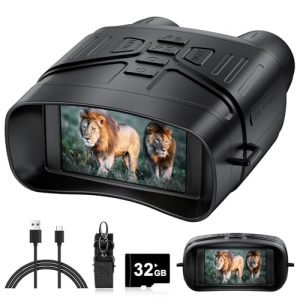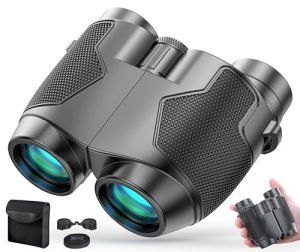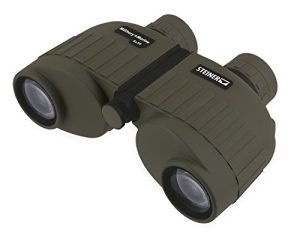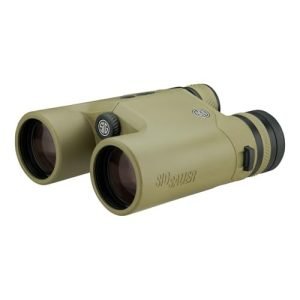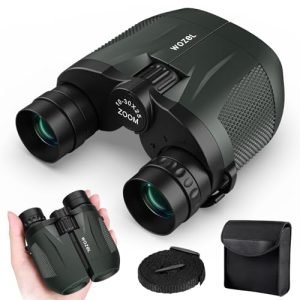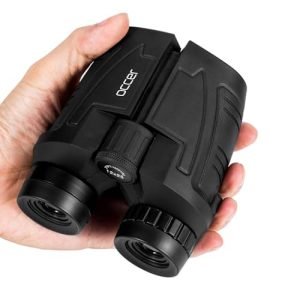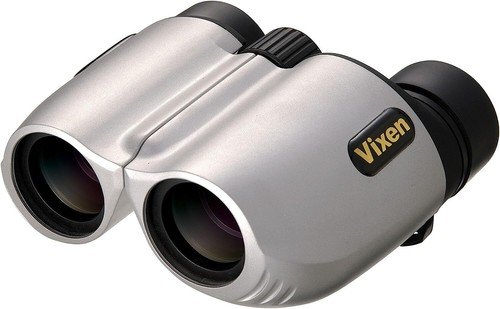
Are you tired of missing the action when you’re seated far from the stage or court in an indoor arena? Choosing the right binoculars can change everything, bringing every detail right to your eyes.
But with so many options out there, how do you find binoculars that work perfectly indoors? This guide will help you discover exactly what to look for, so you never miss a moment of the excitement. Keep reading to find the best binoculars that fit your needs and make your indoor arena experience unforgettable.
Key Features For Indoor Use
Choosing binoculars for indoor arenas needs special attention. Indoor lighting and distances differ from outdoor use.
Binoculars must have features that suit low light and close viewing. This guide covers what to look for.
Optimal Magnification Levels
For indoor arenas, binoculars with lower magnification work best. High magnification can make images shaky and hard to follow.
Magnification between 4x and 8x is ideal. It offers clear views without losing stability.
Wide Field Of View
A wide field of view lets you see more of the action without moving the binoculars. This helps track fast movements.
- Look for binoculars with a field of view over 300 feet at 1000 yards.
- Wide views reduce eye strain during long use.
- Good for sports, concerts, or performances indoors.
Low Light Performance
Indoor arenas often have dim or uneven lighting. Binoculars need good lenses and coatings to work well in low light.
| Feature | Benefit |
| Large Objective Lens (30-40mm) | More light enters for brighter images |
| Fully Multi-Coated Lenses | Reduce glare and improve clarity |
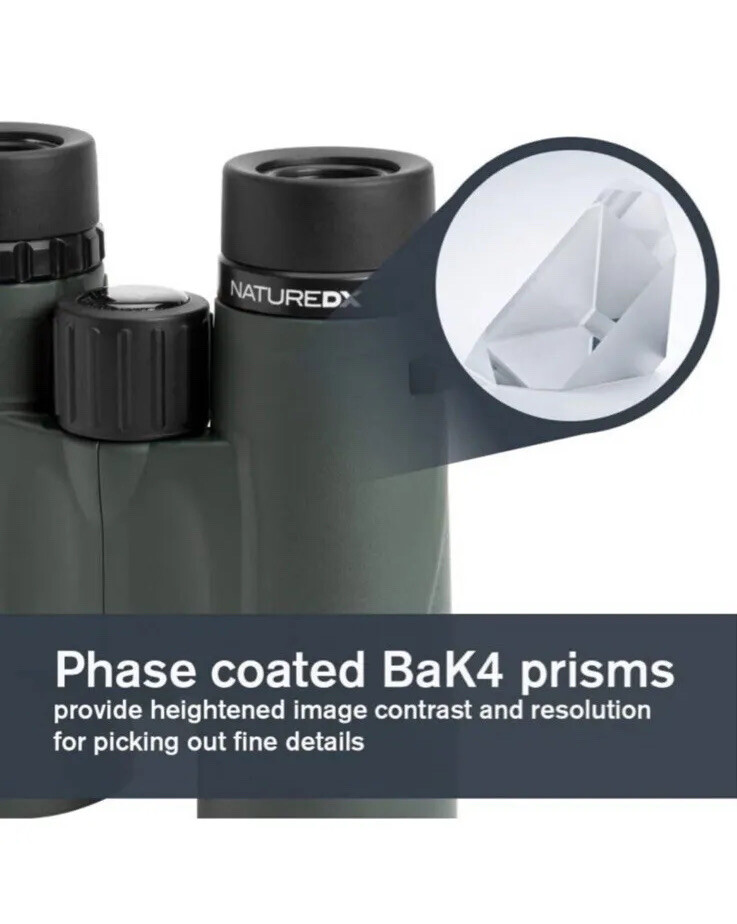
| Phase-Corrected Prism | Sharper and brighter views |
Compact And Lightweight Design
Indoor events can last long. Lightweight binoculars make it easier to hold and carry them for hours.
Compact models fit easily in bags. Look for binoculars that weigh less than 25 ounces.
Types Of Binoculars Suitable For Arenas
Choosing the right binoculars for indoor arenas helps you see clearly. Indoor lighting can be dim, so you need binoculars that work well in low light. Different types of binoculars offer various features for arena use.
Here are three common types of binoculars that suit indoor arenas. Each type has strengths that fit different needs and preferences.
Porro Prism Binoculars
Porro prism binoculars use a zigzag shape to create a wide field of view. They often provide better depth perception and brighter images than other types. This makes them good for indoor arenas with varied lighting.
- Wide field of view
- Good depth perception
- Brighter image in low light
- Usually bulkier but affordable
Roof Prism Binoculars
Roof prism binoculars are compact and lightweight. Their straight design makes them easy to handle and carry. They are good for quick viewing in arenas but may offer slightly less brightness than Porro prisms.
| Feature | Advantage | Consideration |
| Size | Compact and light | Smaller grip area |
| Durability | Strong and waterproof | More expensive |
| Brightness | Good, but less than Porro | May need lens coatings |
Zoom Binoculars
Zoom binoculars allow you to change magnification. This helps you see close or far without changing devices. They are useful in arenas where distances vary a lot.
Key benefits of zoom binoculars:
- Adjustable magnification for flexible viewing
- Good for different seat locations
- Can be Porro or roof prism design
- May need stable hands for clear images at high zoom
Top Binoculars For Indoor Arenas
Choosing the right binoculars for indoor arenas can be tricky. Lighting and distance differ from outdoor use. You need clear, bright views of the action.
This guide covers top binoculars suited for indoor events. Each option fits different needs and budgets.
Best Overall Choice
The top binoculars for indoor arenas offer sharp images and easy focus. They work well in most lighting conditions and show clear detail.
Look for models with magnification between 8x and 10x and wide lenses for brightness.
Best Budget Option
Affordable binoculars can still perform well indoors. They may have simpler lenses but give decent clarity.
- Magnification: 8x
- Lens diameter: 25mm to 30mm
- Lightweight and easy to carry
- Simple focus system
Best For Low Light
Low light binoculars have larger lenses to capture more light. This helps you see better in dim arenas.
| Feature | Details |
| Lens Diameter | 40mm or larger |
| Magnification | 8x to 10x |
| Coatings | Multi-coated lenses for brightness |
| Focus | Fast focus wheel |
Best Compact Model
Compact binoculars fit easily in a pocket or bag. They weigh less but still deliver clear images for indoor use.
- Magnification: 8x
- Lens diameter: 20mm to 25mm
- Lightweight design
- Good for quick viewing

Credit: www.ebay.com
Tips For Using Binoculars Indoors
Using binoculars inside indoor arenas can help you see details from far away. It works well for sports events, concerts, and shows. Choosing the right binoculars and using them correctly improves your experience.
Indoor arenas often have different lighting and distances than outside. Follow these tips to get the best view and avoid eye strain.
Proper Focusing Techniques
Focus your binoculars carefully to get a clear image. Start by closing your right eye and adjusting the center focus wheel with your left eye open. Then, close your left eye and adjust the right eyepiece for sharpness.
Keep the binoculars steady while focusing. Hold them close to your eyes and avoid moving them too fast. This helps prevent blurry images and eye strain.
Adjusting For Lighting Conditions
Indoor lighting can change a lot. Some arenas are bright, while others are dim. Use binoculars with good light-gathering ability, such as those with larger lenses.
If the lighting is low, open your binocular’s focus slowly to let in more light. Avoid binoculars with too much magnification, as they can make the image darker and harder to see.
- Choose binoculars with a wide objective lens (at least 40mm)
- Use lower magnification (around 7x to 10x) for brighter images
- Keep lenses clean to avoid dimming the view
Maintaining Comfort During Extended Use
Using binoculars for a long time can cause discomfort. Use a neck strap or harness to support the binoculars and reduce arm fatigue.
Take short breaks to rest your eyes and hands. Adjust the binoculars to fit your face properly. This helps prevent headaches and keeps you comfortable.
- Use padded straps for better support
- Adjust eyecups to match your eye distance
- Hold binoculars gently, not too tight
- Look away every few minutes to relax your eyes
Maintenance And Care
Proper care keeps your binoculars working well in indoor arenas. Regular upkeep helps maintain clear views. It also extends the life of your equipment.
Small actions like cleaning and storing your binoculars right prevent damage. Handle them carefully to avoid wear and tear.
Cleaning The Lenses
Keep lenses free from dust and smudges for a clear view. Use a soft brush or air blower to remove loose dirt first. Avoid wiping lenses when dry to prevent scratches.
- Use a microfiber cloth for gentle cleaning
- Apply lens cleaner designed for optics only
- Clean in a circular motion starting from the center
- Do not use household cleaners or paper towels
Storage Recommendations
Store binoculars in a dry and cool place to protect them from damage. Use a case to avoid dust and bumps. Avoid leaving them in direct sunlight or damp areas.
| Storage Tip | Reason |
| Keep in a padded case | Prevents impact damage and dust |
| Use silica gel packs | Absorbs moisture to avoid mold |
| Store away from heat sources | Prevents warping and lens damage |
| Close lens caps when not in use | Protects lenses from scratches |
Handling And Durability
Handle your binoculars with care to keep them durable. Avoid dropping or banging them. Use the neck strap to reduce the risk of falls.
- Hold binoculars with both hands for stability
- Do not force the focus or zoom mechanisms
- Check for loose parts regularly and tighten if needed
- Keep away from chemicals and liquids
Credit: theraleighbeergarden.com

Credit: www.ebay.com
Frequently Asked Questions
What Magnification Is Best For Indoor Arena Binoculars?
A magnification of 6x to 8x is ideal for indoor arenas. It offers clear views without excessive shakiness or narrow fields of view.
Which Lens Size Suits Indoor Arena Binoculars?
Lens sizes between 25mm and 32mm are perfect. They balance brightness and portability, enhancing visibility in dim indoor lighting.
Are Compact Binoculars Good For Indoor Arenas?
Yes, compact binoculars are lightweight and easy to carry. They provide adequate magnification and brightness for indoor events.
Should I Choose Binoculars With Image Stabilization Indoors?
Image stabilization helps reduce hand shake but is often unnecessary indoors. Lightweight models without stabilization are usually sufficient.
Conclusion
Choosing the right binoculars for indoor arenas is important. It enhances your viewing experience. Consider factors like magnification and size. Compact models are easy to handle. They fit well in small bags. A wide field of view is helpful too.
It captures more action. Look for good light transmission. It ensures clear images in dim lighting. Always test before buying. Comfort and ease of use matter. With the right choice, you enjoy events more. Your indoor viewing becomes fun and engaging.