Have you ever been out enjoying nature, only to have your binoculars fog up at the worst moment? It’s frustrating when your view gets blurry just as you spot something amazing.
If you’re wondering whether ED binoculars can solve this problem, you’re in the right place. Understanding if ED binoculars are fog-proof can make a big difference in your outdoor adventures. Keep reading to find out how these binoculars work and what you need to know to keep your vision clear, no matter the weather.
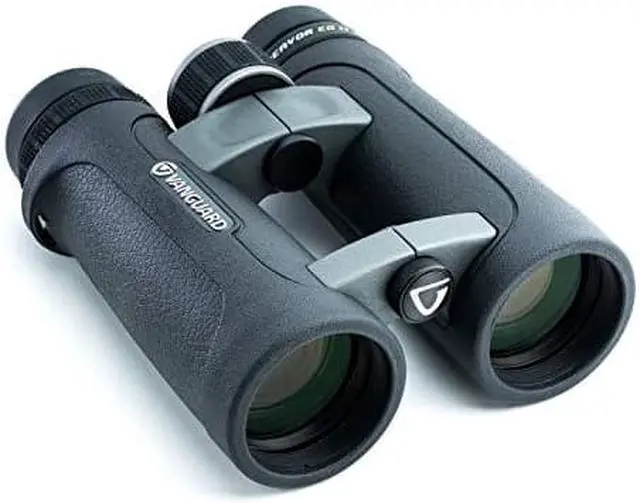
Credit: www.amazon.com
What Are Ed Binoculars?
ED binoculars are special binoculars with extra-low dispersion glass. This glass reduces color blur and improves image clarity.
They help you see sharper images with better color accuracy. This makes them popular for bird watching and nature viewing.
Many ED binoculars come with fog-proof features. This means they resist fog inside the lenses in cold or wet weather.
Fog-proof binoculars use special seals and are filled with nitrogen or argon gas. This stops moisture from entering and fogging the lenses.
- Sealed body keeps water and dust out
- Gas filling prevents internal fogging
- Durable design for outdoor use
Why Choose Ed Glass?
ED glass reduces chromatic aberration. This means less color fringing around objects.
It gives you clear, bright images. This helps with long-distance viewing and detailed observation.
How Does Fog-proofing Work?
Fog-proofing stops moisture from forming inside binoculars. Moisture causes the lenses to fog up and block your view.
Manufacturers seal the binoculars tightly. They fill the inside with dry gas to keep air and water vapor out.
- Seals prevent water from entering
- Dry gas removes moisture inside
- Protects optics in cold or humid places
Common Fogging Issues
Fogging is a common problem with binoculars. It happens when moisture builds up inside or outside the lenses. This can blur your view and make it hard to see clearly.
Understanding why fogging happens helps you avoid it. It also shows why some binoculars are better at staying clear.
Causes Of Fogging In Binoculars
Fog forms when warm, moist air meets a cooler surface. Binocular lenses can fog up inside or out. Internal fogging happens if moisture gets trapped inside the binoculars. External fogging is caused by cold air outside.
- Humidity changes cause moisture to condense on lenses.
- Temperature differences between inside and outside lenses create fog.
- Damage to seals lets water enter the binoculars.
- Using binoculars in rain or snow without waterproof protection.
- Sudden weather changes increase fog risk.
Impact On Viewing Experience
Fogged lenses reduce sharpness and clarity. This makes it harder to see details. It can cause eye strain as you try to focus through the fog.
| Effect | Result |
| Blurry image | Loss of detail in distant objects |
| Reduced light | Darker, unclear view |
| Eye strain | Discomfort after long use |
| Frustration | Less enjoyment during observation |
Fog-proof Features In Binoculars
Fog inside binocular lenses makes it hard to see clearly. Some binoculars have special features to stop fog. These features keep the view clear in cold or wet weather.
We will look at three key fog-proof features. These are nitrogen and argon purging, sealed O-rings, and coating technologies.
Nitrogen And Argon Purging
Some binoculars are filled with dry gases like nitrogen or argon. These gases stop moisture from entering the lenses. Without moisture, fog cannot form inside the binoculars.
- Nitrogen is common because it is cheap and effective.
- Argon is heavier and less likely to leak out.
- Both gases remove water vapor from inside the binoculars.
- This keeps the lens clear in cold or humid conditions.
Sealed O-rings
Sealed O-rings are rubber rings that stop water and dust from entering. They seal all openings in the binocular body. This keeps the dry gas inside and moisture out.
| Feature | Benefit |
| Waterproof Seals | Prevent water from entering |
| Dustproof Seals | Keep dust and dirt outside |
| Gas Retention | Hold dry gas inside for fog prevention |
Coating Technologies
Special coatings on lenses help reduce fog and glare. These coatings repel water and reduce condensation. They also improve light transmission for a clear image.
- Anti-fog coatings stop moisture from sticking to lenses.
- Hydrophobic coatings make water bead off quickly.
- Multi-coated lenses enhance clarity and brightness.

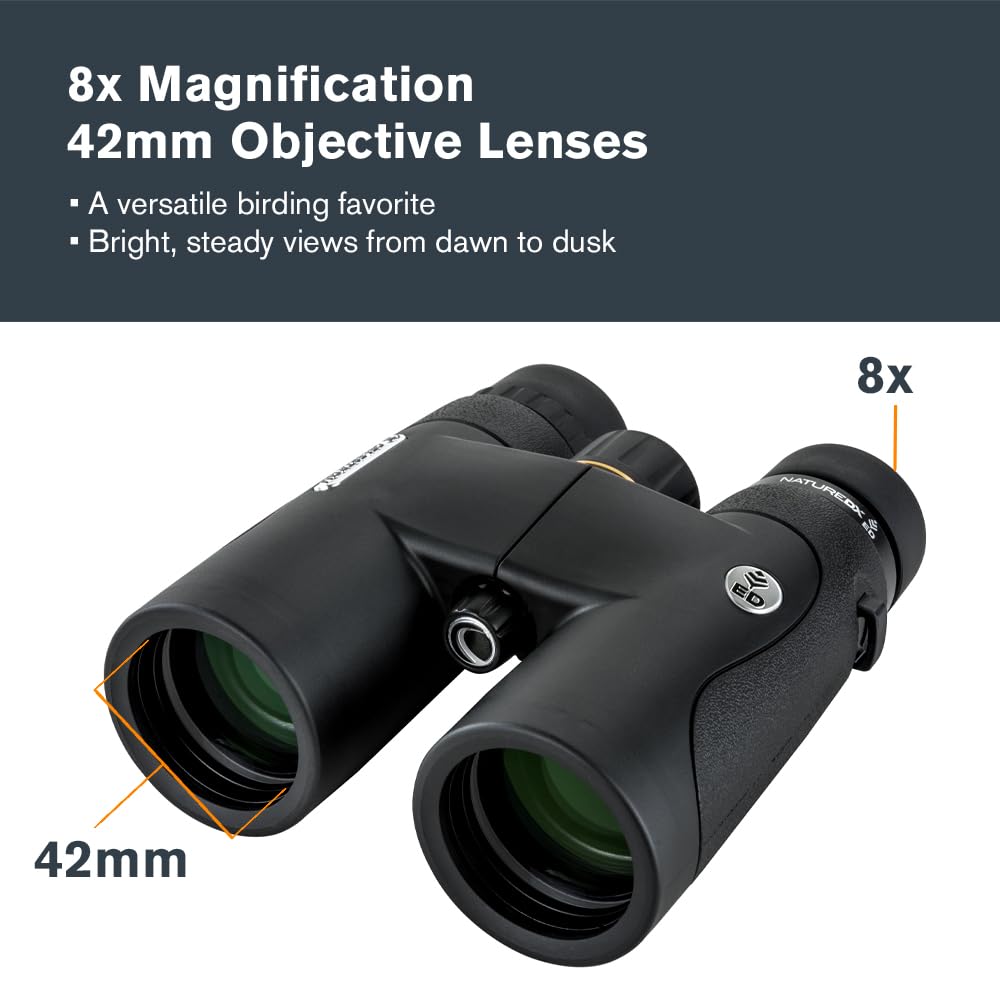
Credit: www.walmart.com
Are Ed Binoculars Fog-proof?
ED binoculars use special extra-low dispersion glass to improve image clarity. Many people wonder if this glass also prevents fogging inside the lenses.
Fogging happens when moisture gets trapped inside binoculars. This can blur your view during cold or humid conditions.
Ed Glass Vs. Fog-proof Technology
ED glass improves sharpness and reduces color errors. It does not stop moisture from entering the binoculars. Fog-proof technology works differently.
Fog-proof binoculars have sealed tubes filled with nitrogen or argon gas. This gas stops internal fogging by keeping moisture out. These binoculars also have rubber seals to prevent water entry.
- ED glass improves image quality but not fog resistance.
- Fog-proof technology uses gas filling and sealing.
- Many binoculars combine both ED glass and fog-proof features.
Examples Of Fog-proof Ed Binoculars
Many brands sell binoculars that use both ED glass and fog-proof technology. These models work well in tough weather.
| Brand | Model | Features |
| Brand A | Model X | ED glass, nitrogen-filled, waterproof seals |
| Brand B | Model Y | Extra-low dispersion lenses, argon gas, fog-proof |
| Brand C | Model Z | ED lenses, sealed body, moisture resistant |
Tips To Prevent Fogging
Binoculars can fog up due to changes in temperature and humidity. This fogging can block your view and make them hard to use. Preventing fog is important for clear vision.
There are several ways to keep your binoculars fog-free. Proper storage, careful use in different weather, and good maintenance all help.
Proper Storage
Store binoculars in a dry and cool place. Avoid places with high humidity or heat. Use a protective case to keep out dust and moisture.
- Keep them in a sealed case with silica gel packs
- Do not store binoculars in a car on hot days
- Make sure lenses are clean before storing
- Keep binoculars away from direct sunlight
Usage In Different Weather Conditions
Fogging happens when warm air meets cold lenses. Avoid sudden temperature changes. Use lens covers before going outside in cold or wet weather.
- Keep binoculars close to your body to warm them slowly
- Use anti-fog sprays or wipes made for optics
- Avoid breathing directly on the lenses
- Dry binoculars gently if they get wet
Maintenance Practices
Clean and check your binoculars regularly. Proper care stops fog and damage. Use correct tools to clean lenses and parts.
| Maintenance Task | How Often | Tools Needed |
| Clean lenses | After each use | Microfiber cloth, lens cleaner |
| Check seals | Every 6 months | Visual inspection |
| Store with silica gel | Always | Silica gel packets |
| Service by professional | Once a year | Repair kit or service center |
Credit: www.amazon.com
Frequently Asked Questions
Are Ed Binoculars Inherently Fog-proof?
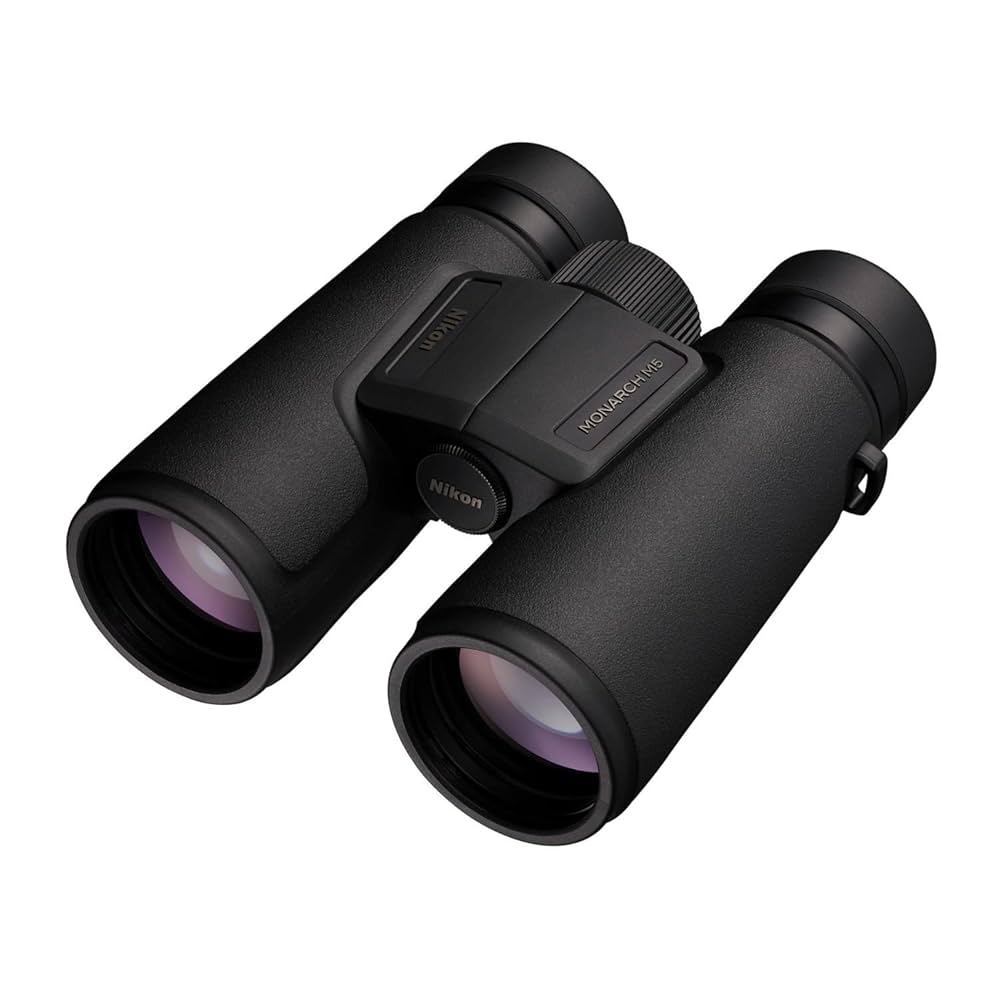
ED binoculars are not inherently fog-proof. Fog resistance depends on specific coatings and sealing, not just lens type. Many ED binoculars feature nitrogen or argon purging and O-ring seals to prevent internal fogging.
How Do Manufacturers Make Ed Binoculars Fog-proof?
Manufacturers fill ED binoculars with nitrogen or argon gas and seal them tightly. This prevents moisture from entering and condensing inside, ensuring clear views in humid or cold conditions.
Can Fog-proof Ed Binoculars Work In Extreme Weather?
Yes, fog-proof ED binoculars perform well in extreme weather. Their sealed, gas-purged design stops fogging and protects internal components from moisture and temperature changes.
Is Fog-proofing Common In All Ed Binocular Models?
Not all ED binocular models are fog-proof. Check product specifications for gas purging and waterproof seals to confirm fog resistance before purchasing.
Conclusion
Ed binoculars offer reliable fog-proof performance. They enhance outdoor adventures. These binoculars resist moisture and fog. Enjoy clear views in any weather. High-quality seals protect the lens. Perfect for nature enthusiasts and bird watchers. Choose Ed binoculars for a dependable experience.
They ensure consistent clarity. Invest in these for your next outdoor trip. Appreciate the detailed views without worry. A smart choice for foggy conditions. Enjoy the outdoors with confidence. Fog-proof technology keeps your focus sharp. Discover nature’s beauty without interruption.
Make every exploration memorable. Ed binoculars are a solid companion. Stay focused on your adventure.