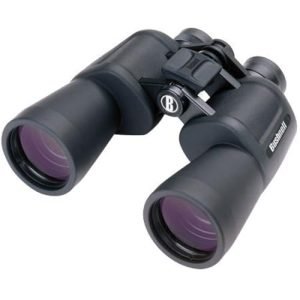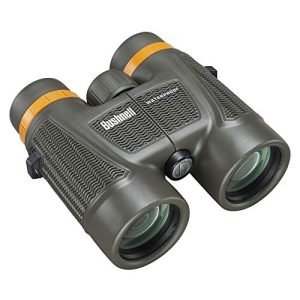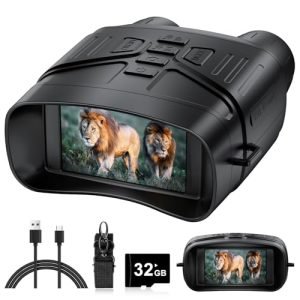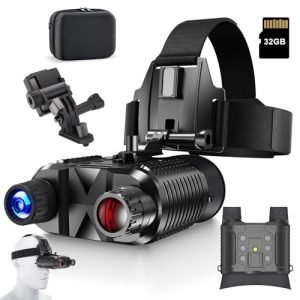
When disaster strikes, every second counts and having the right tools can make all the difference. You might wonder, what makes binoculars truly suitable for disaster relief?
It’s not just about magnifying distant scenes—it’s about clarity, durability, and reliability when you need them most. You’ll discover exactly what features to look for in binoculars that can help you stay safe, gather crucial information, and support rescue efforts effectively.
Keep reading to find out how the right pair of binoculars can become your most trusted ally in critical moments.
Key Features For Disaster Relief Binoculars
Binoculars help people see far places clearly during disasters. They must be strong and easy to use. Good features make binoculars useful in tough situations.
Disaster relief needs binoculars that work well in hard conditions. The right features help workers spot danger and find help fast.
Durability And Build Quality
Binoculars for disaster relief should be strong and last long. They need to handle drops, bumps, and rough use. Good build quality keeps them working in tough places.
Materials like rubber and metal help protect binoculars. A tough outer shell stops damage from shocks and scratches.
Optical Clarity And Magnification
Clear images are important for spotting details far away. Binoculars must offer sharp views with good color and brightness. Magnification helps see distant objects closer.
Too much zoom can make the image shaky. A balanced magnification, like 8x or 10x, works best for disaster work.
Weather Resistance
Disaster relief often happens in bad weather. Binoculars should resist rain, fog, and dust. Waterproof and fog-proof features keep lenses clear.
Sealed lenses and protective coatings stop water and dirt from damaging the inside parts.
Field Of View
A wide field of view lets users see more area without moving the binoculars. This helps find people or hazards faster. It is important for scanning large zones quickly.
Binoculars with a wide view reduce eye strain and improve situational awareness.
Weight And Portability
Lightweight binoculars are easier to carry during long missions. Portability matters for workers who move fast or hike long distances. Compact models fit in backpacks or pockets.
Heavy binoculars can tire users quickly and slow them down.
Ease Of Use And Adjustability
Binoculars should be simple to handle and adjust. Easy focus and diopter settings help users see clearly fast. Large buttons and smooth controls work well with gloves.
Adjustable eyecups and straps add comfort for long use. Quick setup saves valuable time in emergencies.
Durability Factors
Binoculars used in disaster relief must be strong and last long. They face tough conditions like rough handling and bad weather.
Durability helps rescuers rely on their binoculars without fear of damage. This section explains key durability features.
Shockproof Design
Shockproof binoculars can survive drops and impacts. They have extra padding or rubber armor outside.
This design keeps the lenses and internal parts safe. It prevents cracks and breaks during use in disasters.
- Rubber coating absorbs shocks
- Reinforced frames resist bending
- Protected lenses avoid scratches
Waterproof And Fogproof Capabilities
Disaster areas often have rain, mud, or humidity. Waterproof binoculars stop water from entering inside.
Fogproof means no fog forms on lenses inside. This uses special gas or seals to keep vision clear.
- Sealed with O-rings to block water
- Filled with nitrogen or argon gas to stop fog
- Works well in rain and cold weather
Material Choices
Materials affect how tough binoculars are. Good choices make them light but strong.
Aluminum and magnesium are common because they resist rust and damage. Rubber parts add grip and shock resistance.
- Aluminum: strong and lightweight
- Magnesium: even lighter and durable
- Rubber armor: protects and adds grip
Optical Performance
Binoculars are vital tools in disaster relief efforts. Clear vision helps rescuers find people and assess damage quickly. Optical performance determines how well binoculars work in tough conditions.
Good optics improve image brightness, sharpness, and comfort. This section covers key features that make binoculars suitable for disaster relief.
Lens Coatings
Lens coatings reduce glare and improve light transmission. They make images brighter and clearer, which is important in low light or smoky conditions.
- Anti-reflective coatings minimize light loss.
- Multi-coated lenses offer better contrast.
- Water-resistant coatings help in wet environments.
- Scratch-resistant coatings protect lenses from damage.
Magnification And Objective Lens Size
Magnification shows distant objects closer. Objective lens size affects how much light enters the binoculars. Both impact visibility and field of view.
| Feature | Effect |
| Low Magnification (6x-8x) | Wide view, easy to hold steady |
| High Magnification (10x+) | Closer view, narrower field |
| Small Objective Lens (20-30mm) | Lighter, less light gathering |
| Large Objective Lens (40mm+) | Brighter image, heavier |
Eye Relief For Comfort
Eye relief is the distance your eye can be from the lens while still seeing the full image. Longer eye relief reduces eye strain and helps users wear glasses comfortably.
- Short eye relief can cause dark edges around the view.
- Long eye relief makes it easier to scan areas for longer times.
- Comfort is important during extended disaster relief work.
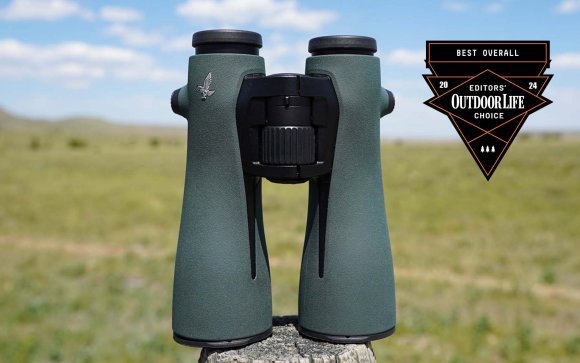
Credit: www.outdoorlife.com
Weather And Environmental Adaptations
Binoculars used in disaster relief must work well in tough weather. They need to handle rain, dust, heat, and cold. Good binoculars stay clear and strong in all conditions.
Special features help binoculars resist water, fog, and temperature changes. These features make sure rescuers see clearly during emergencies.
Sealing And Nitrogen Purging
Sealing protects binoculars from water and dust. A tight seal stops moisture from getting inside. This keeps lenses clear and parts safe.
Nitrogen purging fills binoculars with dry nitrogen gas. This gas stops fog from forming inside. It also prevents damage from humidity.
- Prevents water from entering
- Keeps dust and dirt out
- Stops fog on the inside lenses
- Protects internal parts from moisture
Temperature Tolerance
Binoculars must work in hot and cold places. They need parts that do not break or freeze easily. Good models use materials that handle wide temperature ranges.
Temperature tolerance helps binoculars stay clear. It stops the lenses and body from cracking or warping in heat or cold.
- Works in freezing cold
- Operates in high heat
- Resists cracking or warping
- Maintains clear vision in all weather
Anti-fog Features
Fog makes seeing hard during disasters. Anti-fog coatings stop water from sticking to lenses. This helps rescuers see clearly in wet or cold weather.
Some binoculars have special glass and coatings. These reduce fog quickly and keep lenses clear for longer periods.
- Coatings repel water droplets
- Speeds up fog clearing
- Keeps lenses clear in rain and cold
- Improves visibility in tough weather
Usability In Crisis Situations
Binoculars help disaster relief teams see far and wide. They must be easy to use in tough conditions. Quick adjustments and clear views matter a lot.
In a crisis, time is short. Binoculars that work well can save lives and speed up help.
Quick Focus Mechanisms
Fast focus is key during emergencies. Relief workers cannot waste time with slow or hard-to-use controls.
- Large, easy-to-turn focus wheels help adjust views quickly.
- Central focus knobs allow both eyes to focus at once.
- Individual eyepiece focus can help if users wear glasses.
- Locking focus prevents accidental changes during movement.
Low Light Performance
Disasters often happen in dim light or at night. Binoculars must show clear images with little light.
| Feature | Benefit |
| Wide Objective Lens | Captures more light for brighter images |
| High-Quality Prisms | Improves image clarity in low light |
| Coated Optics | Reduces glare and boosts brightness |
| Large Exit Pupil | Allows more light to reach the eyes |
Compatibility With Other Gear
Disaster relief workers use many tools. Binoculars must fit well with other gear for easy use.
Key compatibility points include:
- Strap loops for secure carrying with backpacks
- Mounting options for helmets or tripods
- Compact size to fit in gear bags or pockets
- Waterproof and shockproof designs to match rugged gear

Credit: mohonkpreserve.medium.com
Additional Practical Features
Binoculars used in disaster relief need extra features for real-world use. These features make them easier and safer to carry and keep in good condition.
We look at straps, cleaning, and cost to see what makes binoculars a good choice for tough situations.
Straps And Carrying Options
Carrying binoculars comfortably is important during long relief missions. Good straps and carrying cases add convenience and safety.
- Adjustable neck straps fit different users.
- Padded straps reduce shoulder strain.
- Quick-release buckles help remove binoculars fast.
- Water-resistant carrying cases protect from rain.
- Clip options allow attachment to backpacks.
Maintenance And Cleaning
Disaster zones can be dusty and wet. Binoculars must be easy to clean and maintain for clear vision.
| Feature | Benefit |
|---|---|
| Waterproof coatings | Keep lenses safe in rain or splashes |
| Rubber armor | Protects from shocks and drops |
| Easy-to-clean lenses | Quickly remove dirt and smudges |
| Sealed body | Prevents dust and moisture inside |
Cost Versus Benefit Analysis
Choosing binoculars means balancing price with useful features. Spending more can add value but not always needed.
- Basic models suit occasional use and short missions.
- Mid-range binoculars offer better durability and optics.
- High-end models have advanced features for extreme conditions.
- Consider how often binoculars will be used.
- Think about repair and replacement costs over time.

Credit: www.latimes.com
Frequently Asked Questions
What Features Make Binoculars Ideal For Disaster Relief?
Binoculars for disaster relief have durability, waterproofing, and clear optics. They provide quick, long-distance viewing and withstand harsh conditions.
Why Is Magnification Important In Disaster Relief Binoculars?
Magnification helps spot distant hazards and victims. Optimal magnification balances clear image quality with ease of use during emergencies.
How Does Waterproofing Benefit Binoculars In Disaster Scenarios?
Waterproof binoculars resist rain, floods, and moisture. This ensures reliable performance and longevity in challenging, wet environments.
What Role Does Durability Play In Disaster Relief Binoculars?
Durable binoculars endure drops and rough handling. They remain functional in rugged disaster zones, supporting rescue and assessment efforts.
Conclusion
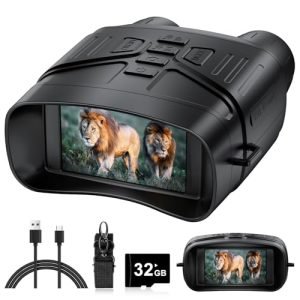
Binoculars play a vital role in disaster relief efforts. They help spot survivors and assess damage from a safe distance. Lightweight models ensure easy transport for quick deployment. Rugged designs withstand harsh conditions and last longer. Night vision features aid rescue missions in low light.
Water-resistant types function well in wet environments. Clear optics provide accurate details, crucial for decision-making. Investing in good binoculars enhances rescue operations’ effectiveness. They serve as essential tools for timely and efficient disaster response. Always choose the right binoculars for the task at hand.