Are you thinking about taking your digiscoping experience to the next level? Choosing the right binoculars can make all the difference in capturing sharp, detailed images through your camera setup.
Roof prism binoculars are popular for their sleek design and portability, but are they really the best choice for digiscoping? You’ll discover how roof prism binoculars perform when paired with digiscoping gear, and whether they can help you get clearer, more stunning shots.
Keep reading to find out what experts say and how you can make the most of your equipment.
Credit: binocularscanada.com
Roof Prism Binoculars Basics
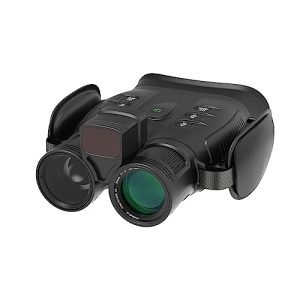
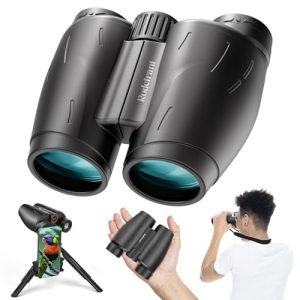
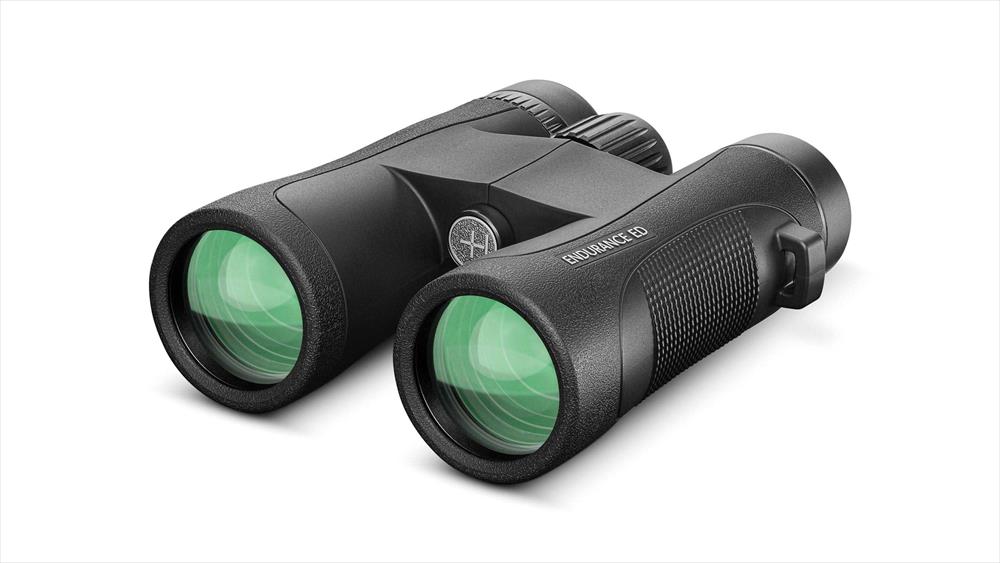
Roof prism binoculars have a straight barrel design. They are popular for their compact size and ease of use.
These binoculars use roof prisms to reflect light and create clear images. Many people wonder if they are good for digiscoping.
Design And Structure
Roof prism binoculars have two tubes that are straight and parallel. The prisms inside line up in a straight path.
This design makes them smaller and lighter than other types. They often have a sleek, modern look.
Advantages Over Porro Prisms
Roof prism binoculars are easier to hold and carry. Their shape makes them more compact and less bulky.
They also provide better image alignment and durability. These features help in steady viewing, which is important for digiscoping.
- Compact and lightweight design
- Better straight-line image path
- Stronger and more durable body
- Easier to mount on tripods for digiscoping

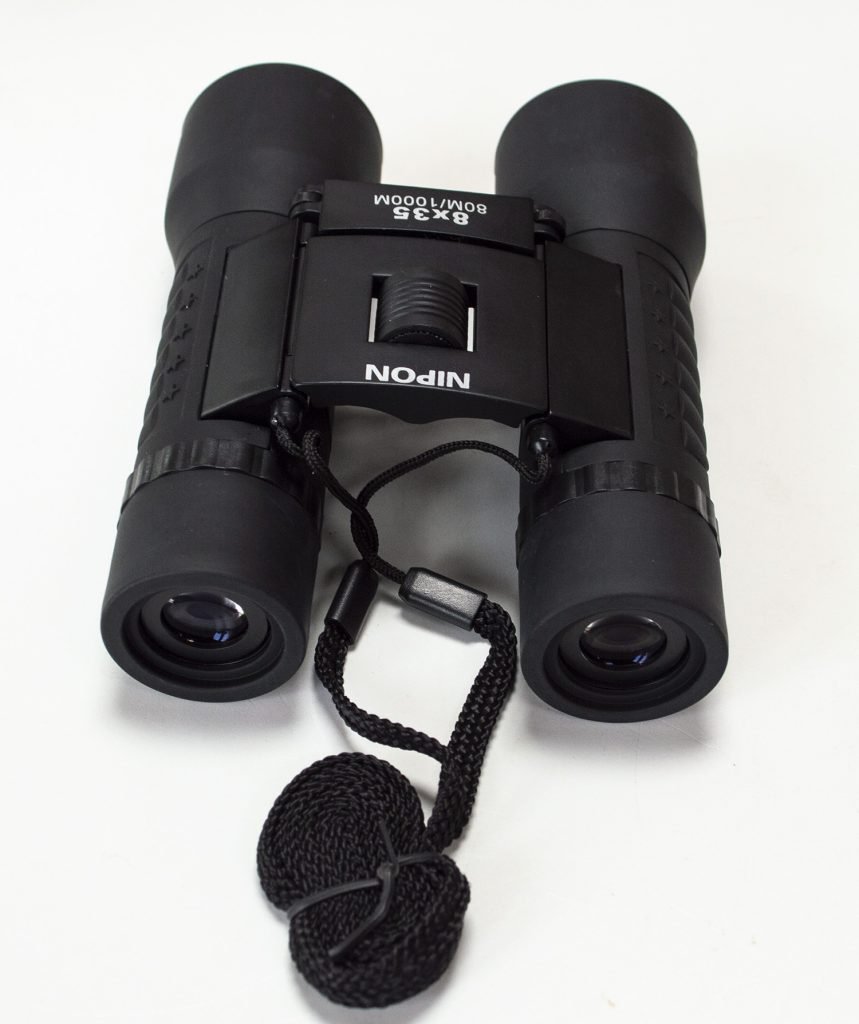
Credit: nipon-scope.com
Digiscoping Essentials
Digiscoping is a way to take photos using a camera and a spotting scope. This method is popular for wildlife and bird watching.
Many people wonder if roof prism binoculars work well for digiscoping. Understanding what digiscoping needs helps answer this question.
What Digiscoping Requires
Digiscoping needs a stable setup to get clear images. The main parts include a spotting scope, a camera adapter, and a stable tripod.
Good optical quality and a strong, steady mount are key. The scope should have good magnification and sharp focus to capture fine details.
- Spotting scope with clear, sharp lenses
- Camera adapter to connect camera and scope
- Stable tripod to avoid shaking
- Proper lighting and good weather conditions
Challenges In Digiscoping
Digiscoping can be hard because small movements cause blurry images. High magnification makes it hard to keep steady.
Using roof prism binoculars can add challenges. They are usually smaller and may not fit well with camera adapters.
- Keeping the camera and scope steady is difficult
- Aligning the camera lens with binocular eyepiece is tricky
- Roof prism binoculars might have less eye relief
- Lower magnification limits image detail
Compatibility Of Roof Prism Binoculars With Digiscoping
Roof prism binoculars are popular for their compact design and straight barrels. Many people wonder if they work well for digiscoping. Digiscoping means using a camera with binoculars or a spotting scope to take photos.
Using roof prism binoculars for digiscoping depends on several factors. These include image quality, mounting options, and the binoculars’ magnification. Each factor affects how good the photos will be.
Image Quality Considerations
Roof prism binoculars often have sharp and clear images. Their design helps reduce image distortion. This is good for digiscoping because clear images make better photos.
Look for binoculars with good lenses and coatings. These improve brightness and color accuracy. Poor image quality will show in your photos and lower the final result.
Mounting And Stability
Mounting roof prism binoculars for digiscoping can be tricky. Their shape and size differ from spotting scopes. You need a stable tripod and a proper adapter to keep the setup steady.
Without good stability, photos can be blurry. Make sure the binoculars fit well with your camera adapter. A secure mount helps you hold the camera and binoculars steady during shooting.
Magnification And Field Of View
Roof prism binoculars usually have lower magnification than spotting scopes. This can limit how close your photos look. A wider field of view helps find subjects but lowers image detail.
Choose binoculars with balanced magnification and field of view. Too much zoom makes it hard to keep images steady. Too little zoom reduces photo detail. Find a middle ground for best results.
Expert Opinions On Roof Prism Binoculars For Digiscoping
Digiscoping combines binoculars or scopes with a camera to take detailed photos. Roof prism binoculars are popular for many uses. But are they good for digiscoping? Experts share their views.
This article looks at what professional birdwatchers and wildlife photographers say about using roof prism binoculars for digiscoping.
Professional Birdwatchers’ Views
Birdwatchers value roof prism binoculars for their compact size and good image quality. Many say these binoculars are easy to carry on long trips. They also offer good stability when attached to digiscoping gear.
- Lightweight design helps reduce fatigue during long observations.
- Good alignment of roof prisms provides clear and sharp images.
- Close focus abilities assist in viewing nearby birds.
- Durability and weather resistance are important for outdoor use.
Some birdwatchers note that roof prism binoculars need precise adjustments for the best digiscoping results. They recommend checking the binocular’s eye relief and lens coatings before use.
Wildlife Photographers’ Experiences
Wildlife photographers use roof prism binoculars to capture images in difficult environments. They find these binoculars useful for their slim design and ease of mounting on camera adapters.
| Feature | Benefit for Digiscoping |
| Compact Size | Easier to carry and set up in the field |
| Good Eye Relief | Comfortable for use with cameras and eyepieces |
| Sharp Optics | Clear photos with good detail |
| Sturdy Build | Reliable in rough outdoor conditions |
They also mention that some roof prism models have limited field of view. This can make finding subjects harder but does not stop high-quality shots.
Alternative Optics For Digiscoping
Digiscoping combines photography with optical devices for clear distant shots. Using the right optics improves photo quality and ease of use. Roof prism binoculars are one option, but other optics may serve better for digiscoping.
Let’s explore two popular alternatives: Porro prism binoculars and spotting scopes. Each has unique features that affect digiscoping results.
Porro Prism Binoculars
Porro prism binoculars have a distinctive zigzag shape. They offer a wide field of view and good depth perception. These binoculars are often heavier but provide bright and sharp images.
- Better light transmission than some roof prisms
- Wide field of view helps track moving subjects
- Often more affordable for similar quality
- Larger size may make mounting harder
- Less waterproof compared to roof prism types
Spotting Scopes
Spotting scopes are single-tube telescopes designed for high magnification. They are ideal for stationary viewing and close-up photography through digiscoping.
| Feature | Benefit for Digiscoping |
| High magnification (15x to 60x) | Captures fine details at long distances |
| Stable mounting options | Reduces shake for clearer photos |
| Interchangeable eyepieces | Customizes view and zoom level |
| Compact and portable models available | Easy to carry for outdoor photography |
Tips For Choosing Binoculars For Digiscoping
Digiscoping means taking photos through a spotting scope. Good binoculars help you see clearly and take better pictures. Picking the right binoculars is important for a good experience.
This guide explains what to look for in binoculars for digiscoping. It also covers budget and brand tips to help your choice.
Key Features To Look For
Roof prism binoculars are popular for digiscoping. Look for these features to get the best results:
- Optical Quality:Choose binoculars with clear, sharp images and good color accuracy.
- Magnification:A moderate magnification (8x to 12x) works well for steady images.
- Lens Coating:Fully multi-coated lenses reduce glare and improve brightness.
- Eye Relief:Long eye relief helps if you wear glasses during digiscoping.
- Build Quality:Waterproof and fog-proof binoculars are better for outdoor use.
- Weight and Size:Lightweight binoculars reduce hand fatigue during long sessions.
Budget And Brand Considerations
Price and brand affect your binocular choice. Good brands offer reliable quality and warranty. Budget limits may affect your options.
| Price Range | What to Expect |
| Under $100 | Basic models, lower optical quality, less durability |
| $100 – $300 | Good optics, some lens coatings, decent build quality |
| Above $300 | High-quality optics, full coatings, better durability, and warranty |

Credit: www.amazon.ae
Frequently Asked Questions
Are Roof Prism Binoculars Suitable For Digiscoping?
Yes, roof prism binoculars are suitable for digiscoping. They offer a compact design and good image alignment, making them easy to pair with cameras. Their straight barrels help maintain stability during photography, enhancing the digiscoping experience.
What Advantages Do Roof Prism Binoculars Offer Digiscopers?
Roof prism binoculars provide a slim, lightweight design, making them portable. They have better waterproofing and fog resistance, ideal for outdoor use. Their durable build ensures long-lasting performance during digiscoping adventures.
How Do Roof Prism Binoculars Compare To Porro Prisms For Digiscoping?
Roof prisms are more compact and streamlined than porro prisms, aiding portability. They offer better optical alignment, resulting in sharper images. However, porro prisms may provide a wider field of view but are bulkier.
Can Roof Prism Binoculars Handle Camera Attachments For Digiscoping?
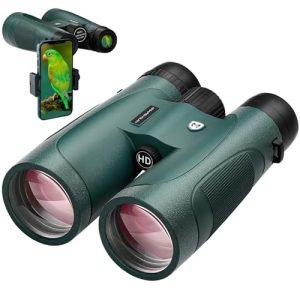
Yes, many roof prism binoculars support camera adapters for digiscoping. Their straight design allows easy mounting of smartphones or cameras. This compatibility makes capturing distant images convenient and effective.
Conclusion
Roof prism binoculars can be a good choice for digiscoping. Their compact design fits well with most cameras. The image clarity they offer is impressive. Lightweight, they are easy to carry on adventures. Perfect for birdwatching and nature photography. They provide a stable view.
This reduces chances of blurry images. Consider lens quality and compatibility. This ensures better results. Always research before making a purchase. Choose the right model for your needs. Enjoy capturing stunning images with ease.