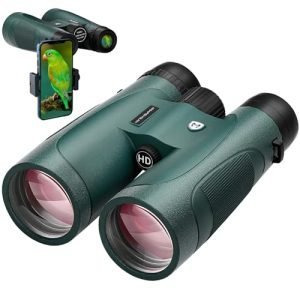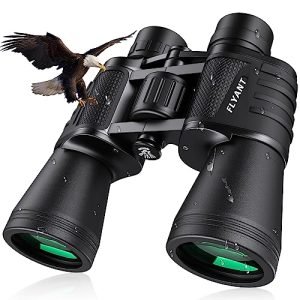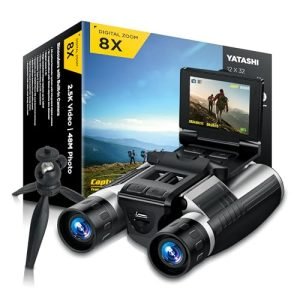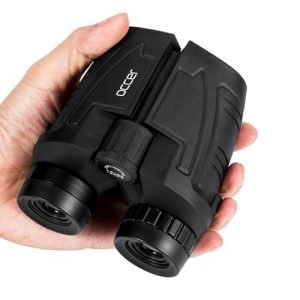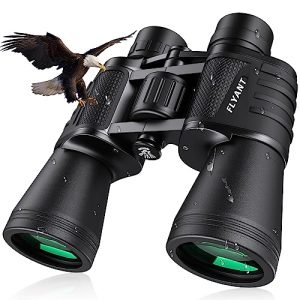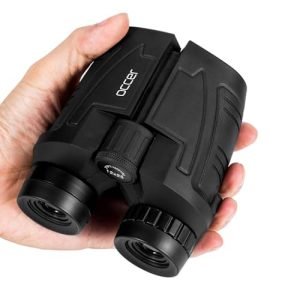
Have you ever wanted to get a closer look at tiny details without moving closer yourself? Close-focus binoculars let you do just that.
These special binoculars bring objects that are very near into sharp view, revealing details you might otherwise miss. If you’ve ever struggled to focus on something just a few feet away through regular binoculars, you’ll want to discover how close-focus binoculars work—and how they can change the way you see the world around you.
Keep reading to unlock the secrets behind this handy tool and learn how it can improve your outdoor adventures, hobbies, and everyday observations.

Credit: swoptics.co.uk
Basics Of Binocular Optics
Binoculars help you see objects far away clearly. They use lenses and prisms to make images sharp and bright.
Close-focus binoculars let you see objects very near. They use special optics to focus on short distances.
Light Path In Binoculars
Light enters through the front lenses of the binoculars. It travels through lenses and prisms before reaching your eyes.
The path bends inside to make the image right side up. This helps you see a clear and normal picture.
- Light first hits the objective lenses.
- It then passes through prisms to change direction.
- The light moves through the eyepiece lenses.
- Finally, the light reaches your eyes.
Role Of Lenses And Prisms
Lenses focus light to create a sharp image. They make objects look bigger and clearer.
Prisms change the light direction inside the binoculars. They flip the image right side up and shorten the tube size.
- Objective lenses gather light from the object.
- Eyepiece lenses magnify the image for your eye.
- Prisms invert and correct the image orientation.
- Prisms also help keep binoculars compact and easy to hold.
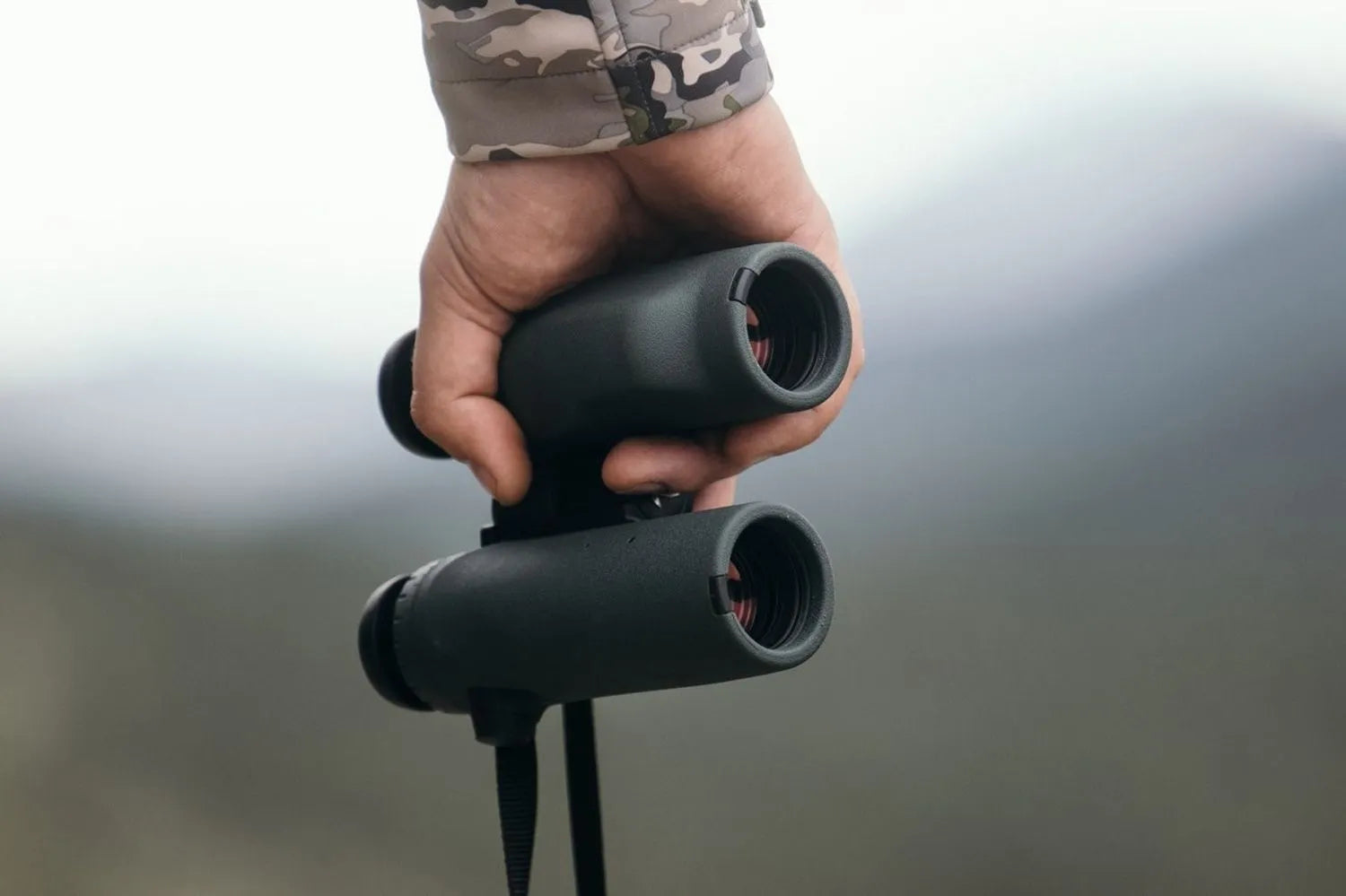
Credit: lookoutoptics.com
What Makes Close-focus Binoculars Unique
Close-focus binoculars let you see objects very near. They help bird watchers and nature lovers get detailed views.
These binoculars have special features that differ from regular ones. Two main aspects are their focus distance and optical design.
Shorter Minimum Focus Distance
Close-focus binoculars can focus on objects just a few feet away. This is much closer than standard binoculars. It allows you to see small details clearly at short range.
- Standard binoculars focus beyond 10 feet
- Close-focus models focus as near as 2 to 6 feet
- This helps in observing insects, flowers, and small animals
- It enhances the viewing experience in tight spaces
Optical Design Adjustments
To focus so close, these binoculars have changes in lenses and prisms. These adjustments keep the image sharp and clear at short distances.
| Feature | Regular Binoculars | Close-Focus Binoculars |
| Minimum Focus Distance | 10 feet or more | 2 to 6 feet |
| Lens Arrangement | Standard | Specialized for near focus |
| Prism Type | Common roof or porro | Optimized for sharp close images |
| Image Clarity | Good at distance | Clear at very close range |
Mechanics Behind Close Focusing
Close-focus binoculars allow you to see objects that are very near clearly. Their design changes the usual focusing method. This makes nearby objects sharp and detailed.
The ability to focus closely depends on precise mechanical parts inside. These parts adjust lenses and prisms to reduce the minimum focus distance.
Lens Movement And Focusing Rings
Close-focus binoculars use special lens movements to sharpen near objects. The focusing rings on the binoculars control this lens adjustment. Turning the ring moves the lenses forward or backward.
- The front lenses shift closer to the eye lenses for near focus.
- Internal lens groups slide smoothly inside the barrel.
- Focusing rings connect to these lens groups through gears.
- The adjustment changes the focal length to sharpen nearby objects.
- Fine tuning helps to reduce eye strain when viewing close items.
Prism Alignment And Impact
Prisms inside the binoculars align the light path correctly. They keep the image upright and clear. For close focusing, prism alignment is very important. It ensures no distortion or blurring occurs.
| Prism Type | Effect on Close Focus | Adjustment Method |
| Porro Prism | Good depth perception | Fixed alignment with minor tweaks |
| Roof Prism | Compact design but sensitive | Precise factory calibration needed |
| Abbe-Koenig Prism | High image quality | Stable alignment, less adjustment |

Credit: www.universetoday.com
Benefits Of Close-focus Capability
Close-focus binoculars let you see objects clearly that are very near. This is useful for many outdoor activities.
This feature improves your view of small details and nearby subjects. It makes nature watching more enjoyable.
Enhanced Birdwatching Experience
Birdwatchers can see birds up close without disturbing them. This helps to notice colors and patterns better.
- Observe fine feather details
- Watch bird behavior closely
- Spot small birds hiding in bushes
- Enjoy clear views without moving too close
Better Detail In Nature Observation
Close-focus binoculars show small objects like insects or flowers with sharp detail. This helps learners and photographers.
| Nature Subject | Benefit of Close-Focus |
| Insects | See wing patterns and body parts clearly |
| Flowers | Notice petal shapes and colors |
| Rocks | Identify textures and small fossils |
Choosing Close-focus Binoculars
Close-focus binoculars let you see objects that are very near. They are useful for bird watching, insect study, and other close-up views.
Choosing the right binoculars depends on your needs and the features they offer. You want clear images, easy use, and good comfort.
Key Features To Consider
Look for the minimum focus distance. This tells how close you can get while still seeing clearly.
Check the size and weight. Lighter binoculars are easier to carry and hold steady.
- Magnification power: Usually 8x or 10x for close-focus use
- Objective lens size: Affects brightness and view size
- Field of view: Wider views help when watching moving subjects
- Eye relief: Important if you wear glasses
- Waterproof and fog proof: Useful for outdoor use
- Build quality: Durable materials last longer
Popular Models And Brands
Some brands are known for making good close-focus binoculars. These brands often offer clear images and strong build quality.
Here are some popular models you can consider. They have good reviews for close-focus performance.
- Nikon Monarch 5: Close focus under 7 feet and sharp images
- Vortex Viper HD: Durable with bright views and close focus
- Zeiss Terra ED: High-quality optics with good close focus
- Olympus Trooper DPS I: Lightweight with wide field of view
- Celestron Nature DX: Affordable with close-focus feature
Maintenance Tips For Optimal Performance
Close-focus binoculars let you see objects clearly at short distances. Keeping them in good shape helps you enjoy sharp views every time.
Simple care steps can protect your binoculars and keep their lenses clean and clear.
Cleaning And Storage
Clean your binocular lenses carefully to avoid scratches. Store them in a dry place to stop moisture damage.
- Use a soft brush to remove dust from lenses before wiping.
- Wipe lenses with a microfiber cloth and lens cleaner.
- Keep binoculars in their case when not in use.
- Store in a cool, dry spot away from direct sunlight.
- Remove batteries if you won’t use them for a long time.
Avoiding Common Issues
Watch for signs that your binoculars need care or repair. Fix small problems early to avoid bigger damage.
| Issue | Cause | Tip to Avoid |
| Blurred Image | Dirty Lenses | Clean lenses regularly and gently |
| Fog Inside | Moisture Entry | Store in dry place with silica gel packs |
| Loose Focus Wheel | Wear and Tear | Handle focus wheel gently and check often |
| Sticky Eyecups | Dirt or Damage | Clean eyecups and avoid rough handling |
Frequently Asked Questions
What Are Close-focus Binoculars Used For?
Close-focus binoculars are designed for viewing nearby objects with clarity. They are ideal for bird watching, observing insects, or enjoying detailed views of flowers and artwork. These binoculars bring distant subjects into sharp focus, enhancing your experience by providing clear and magnified details.
How Do Close-focus Binoculars Differ?
Close-focus binoculars have a shorter minimum focusing distance than regular binoculars. This allows you to view objects that are closer to you with clarity. Their design emphasizes sharp focus on nearby subjects, making them perfect for detailed observation.
Can Close-focus Binoculars Be Used For Stargazing?
Close-focus binoculars are not ideal for stargazing. They are designed for viewing nearby objects. For stargazing, binoculars with a longer focus distance and larger aperture are recommended. These features allow you to capture more light from distant celestial objects.
Are Close-focus Binoculars Suitable For Kids?
Yes, close-focus binoculars are suitable for kids. They are easy to use and lightweight, making them perfect for young explorers. Kids can enjoy observing nature up close, like butterflies and flowers, fostering their curiosity and love for the outdoors.
Conclusion
Close-focus binoculars let you see objects very near clearly. They use special lenses and prisms to adjust focus quickly. This makes them great for birdwatching, reading maps, or viewing insects. Understanding how they work helps you choose the right pair.
Clear images up close make your experience better. Now you know why close-focus binoculars matter for detailed, near viewing. Give them a try to enjoy seeing the small things around you.