Choosing binoculars for your toddler might seem simple, but safety should be your top priority. You want your little one to explore the world without any risks or worries.
But how do you know which binoculars are truly safe for your child? You’ll discover exactly what features to look for and which options protect your toddler while sparking their curiosity. Keep reading to find out how to make the best choice for your child’s adventures.

Credit: www.yahoo.com
Safety Features To Look For
Choosing binoculars for toddlers means picking safe and sturdy options. Safety matters more than style or brand. Toddlers explore with their hands and mouths, so safety features help protect them.
Look for binoculars made with child-friendly materials. Check for parts that reduce risk of injury or choking. This guide explains key safety features to find.
Non-toxic Materials
Binoculars for toddlers should be made from safe, non-toxic materials. Toddlers often put toys in their mouths. Toxic paints or plastics can harm their health.
- Look for BPA-free plastic or natural wood
- Avoid sharp chemical smells or rough surfaces
- Check for certifications like ASTM or EN71
- Choose products with water-based paints
Shatterproof Lenses
Glass lenses can break and cause cuts. Toddlers may drop or throw binoculars. Shatterproof lenses keep eyes safe and prevent injury.
Most safe toddler binoculars use plastic lenses. These resist cracking and are lightweight. Avoid binoculars with heavy glass parts.
Secure Strap Design
Straps help toddlers keep binoculars close. A good strap must be safe and secure. It should not choke or tangle the child.
| Strap Feature | Why It Matters |
|---|---|
| Adjustable Length | Fits toddlers of different sizes |
| Breakaway Clasp | Prevents choking risks |
| Soft Material | Comfortable on the neck and skin |
| Strong Attachment | Stops binoculars from falling off |
Rounded Edges
Sharp corners can hurt toddlers during play. Binoculars with rounded edges reduce cuts and bumps. This feature makes toys safer and easier to hold.
Size And Weight Considerations
Choosing binoculars for toddlers means thinking about size and weight. Toddlers need models that are easy to hold and carry.
Heavy or large binoculars can cause discomfort. They might make toddlers lose interest quickly.
Lightweight Models
Lightweight binoculars help toddlers hold them longer. They reduce strain on small hands and arms.
- Look for binoculars under 1 pound
- Plastic or rubber bodies are usually lighter
- Avoid metal parts that add extra weight
- Compact designs are easier for toddlers to manage
Appropriate Size For Small Hands
Binoculars should fit comfortably in toddlers’ hands. Too big or too small models can be hard to use.
| Size Feature | Ideal Range for Toddlers |
| Body Width | 3 to 4 inches |
| Length | 4 to 5 inches |
| Eye Relief | 10 to 15 mm |
| Grip Surface | Soft and non-slip |
Magnification And Lens Quality
Choosing binoculars for toddlers means focusing on safety and ease of use. Magnification and lens quality are very important. These factors affect how clear and safe the viewing experience is.
Binoculars with the right magnification and good lenses help toddlers enjoy looking at things close up. They also protect their eyes and make sure the binoculars last long.
Low Magnification For Beginners
Low magnification binoculars are best for toddlers. They make objects appear only a little closer. This helps toddlers keep their balance and focus easily.
High magnification can make the image shaky and hard to see. It may also strain young eyes. Start with binoculars that have 3x to 4x magnification. This is safe and comfortable for toddlers.
- 3x to 4x magnification is ideal
- Easy to hold and steady to use
- Clear and stable images
- Less eye strain for toddlers
Clear And Durable Lenses
Lens quality matters for safe use by toddlers. Clear lenses help toddlers see bright and sharp images. Durable lenses protect against drops and scratches.
Look for lenses made of plastic or coated glass. These are strong and safe. Avoid binoculars with fragile glass that can break easily. Safety and clear vision go hand in hand.
- Plastic or coated glass lenses
- Scratch-resistant surfaces
- Strong lens casing for protection
- Bright and clear viewing experience

Credit: www.yahoo.com
Popular Kid-friendly Binoculars
Choosing binoculars for toddlers can be tricky. Safety and ease of use matter most.
Binoculars designed for kids are smaller, lighter, and made with safe materials.
Top Picks For Toddlers
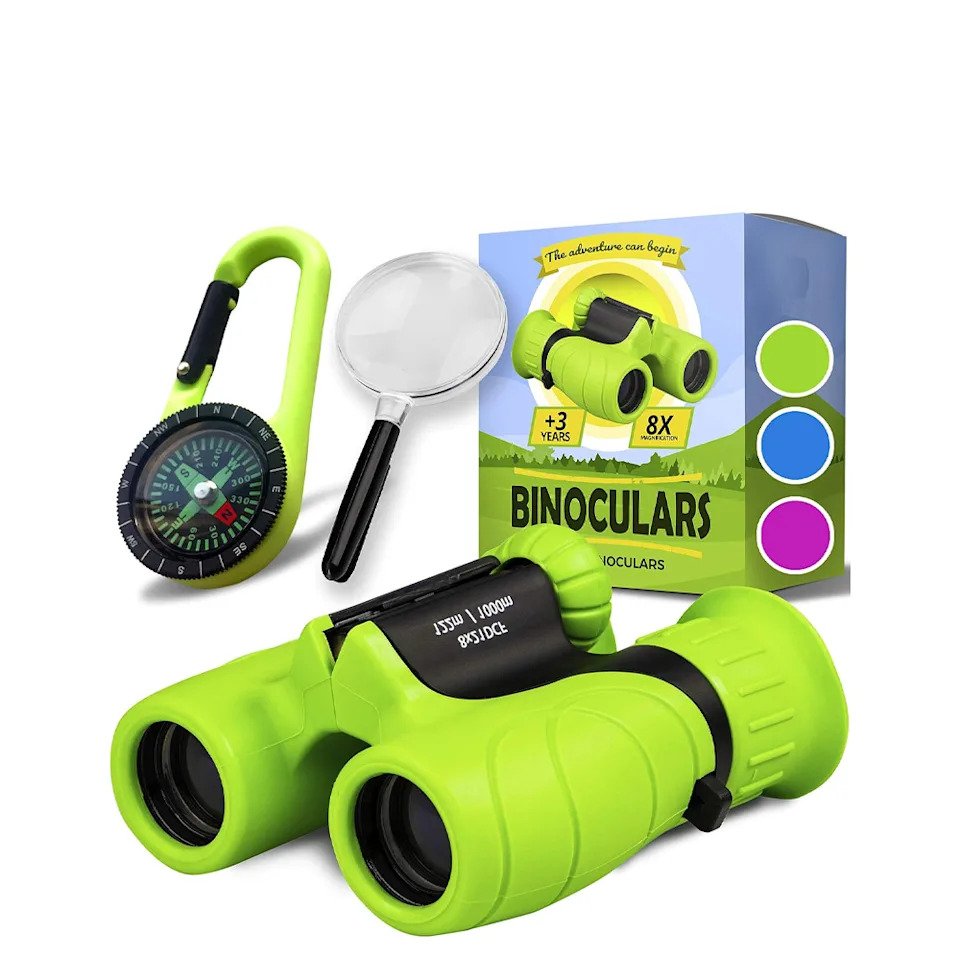
These binoculars fit well in small hands. They have soft edges and easy focus.
- Rubber-coated for grip and safety
- Low magnification to avoid dizziness
- Durable and drop-resistant bodies
- Bright colors to keep toddlers interested
- Neck straps to prevent drops
Budget-friendly Options
Affordable binoculars can still be safe and fun for toddlers. Look for simple designs.
| Model | Magnification | Price Range | Special Features |
| KidView 4×30 | 4x | Under $20 | Rubber grip, lightweight |
| FunScope Junior | 5x | $15-$25 | Bright colors, safety strap |
| MiniExplorer | 3x | Under $20 | Water-resistant, soft edges |
Premium Choices
Higher-end binoculars offer sharper images and extra comfort for toddlers.
- Optical glass lenses for clearer views
- Adjustable eye cups for growing kids
- Shockproof and waterproof bodies
- Ergonomic design to fit small hands
- Includes carrying cases for protection
Tips For Safe Use
Using binoculars with toddlers can be fun and educational. It is important to keep safety in mind to prevent accidents.
Choosing the right binoculars and following safe practices helps toddlers enjoy exploring the world safely.
Supervision Guidelines
Always watch toddlers closely when they use binoculars. Toddlers may not understand how to use them properly.
Stay near to help if they have trouble or try to misuse the binoculars. This reduces the risk of injury.
- Keep binoculars away from very young children without help
- Show toddlers how to hold and look through binoculars gently
- Explain not to point binoculars at eyes or face
- Remove binoculars if toddlers become rough or upset
Proper Cleaning And Maintenance
Clean binoculars regularly to keep lenses clear and safe for use. Dirty lenses can cause eye strain or damage.
Use a soft cloth and mild cleaner made for lenses. Avoid harsh chemicals that might harm the binoculars or skin.
- Wipe lenses gently with microfiber cloth
- Use lens cleaning solution or water only
- Check binoculars for loose parts or cracks
- Fix or replace broken binoculars promptly
Storing Binoculars Safely
Store binoculars in a safe place out of toddlers’ reach. This helps prevent drops or misuse when unsupervised.
Use a padded case or shelf to keep binoculars protected. Keep them away from water, heat, and dust.
- Choose a high shelf or locked drawer
- Use a soft case to prevent scratches
- Keep binoculars dry and cool
- Check storage spot often for safety

Credit: www.amazon.com
Frequently Asked Questions
What Features Make Binoculars Safe For Toddlers?
Safe binoculars for toddlers have soft, durable materials and rounded edges. They should be lightweight and easy to grip. Non-toxic coatings and shatterproof lenses enhance safety. Adjustable focus and limited magnification protect young eyes. These features ensure safe, enjoyable use for little explorers.
Are Plastic Binoculars Better For Toddlers?
Yes, plastic binoculars are often safer for toddlers. They are lightweight, durable, and less likely to break. Plastic models usually have smooth edges and non-toxic finishes. These qualities reduce injury risks and make handling easier for young children.
What Magnification Is Best For Toddler Binoculars?
A magnification of 3x to 4x is ideal for toddlers. Lower magnification ensures a wider field of view and less shakiness. It helps toddlers focus easily and prevents eye strain. This range balances fun and safety effectively.
Can Toddlers Use Real Binoculars Safely?
Toddlers can use real binoculars if designed for children. Child-friendly models have safety features like soft grips and limited magnification. Adult binoculars may be too heavy or complex. Supervision is important to ensure safe and proper use.
Conclusion
Choosing safe binoculars for toddlers is crucial. Safety comes first. Look for options with soft materials. Ensure they are lightweight. Avoid sharp edges and small parts. Check durability. Select ones with easy grip features. Opt for adjustable focus. Make sure they are easy to clean.
Prioritize non-toxic materials. Consider bright colors for fun. Keep your toddler’s curiosity safe and happy. Remember, safe exploration fosters learning. With the right choice, your toddler can enjoy nature. And you’ll have peace of mind. Happy exploring!