Have you ever wondered which tool works better for keeping an eye on things—binoculars or drones? Whether you’re watching wildlife, securing a property, or just curious about the best way to spot something far away, choosing the right device can make all the difference.
Both binoculars and drones have their strengths, but which one fits your needs? You’ll discover the key differences, advantages, and limitations of each option. By the end, you’ll know exactly which tool to pick for your next surveillance mission. Keep reading to find out!

Credit: uk.pcmag.com
Binoculars Basics
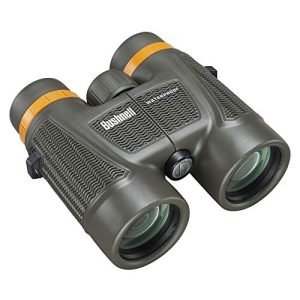
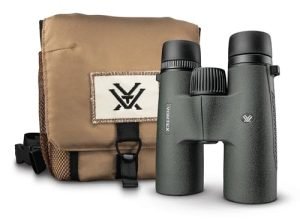
Binoculars are tools that help you see things far away. They use two lenses to make objects look closer and clearer.
People use binoculars for many activities like bird watching, hiking, and surveillance. They are simple to carry and easy to use.
Types And Features
Binoculars come in different types based on their size and purpose. Some are small and light, while others are large with powerful zoom.
Key features include magnification, lens size, and field of view. These affect how far and how wide you can see.
- Compact binoculars: easy to carry, good for casual use
- Full-size binoculars: better magnification and clearer image
- Waterproof models: useful in bad weather
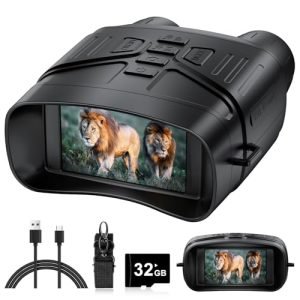
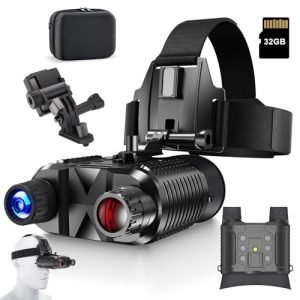
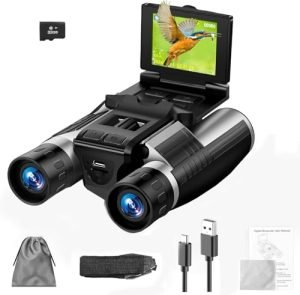
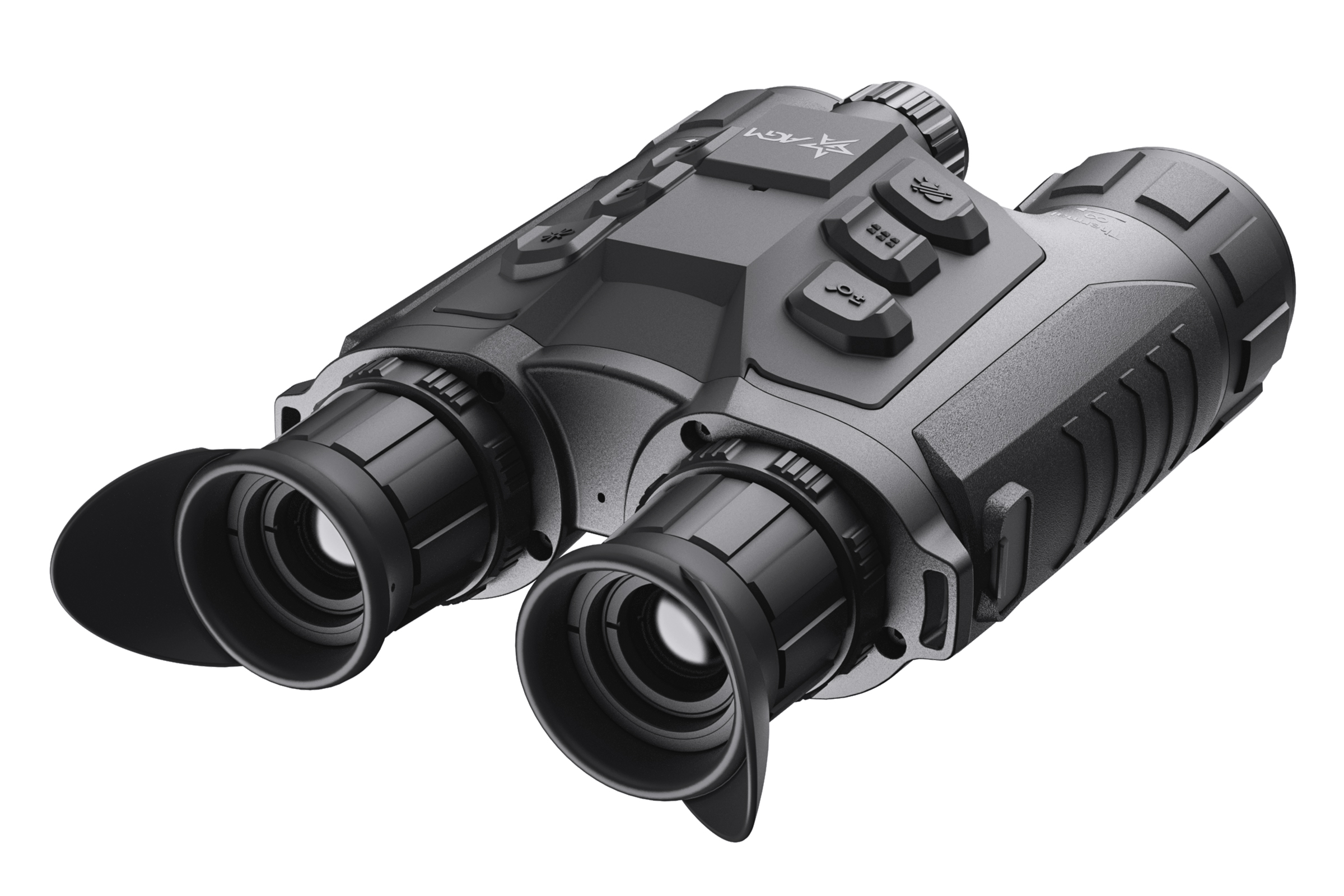
- Night vision binoculars: help see in low light
Advantages In Surveillance
Binoculars allow quiet and discreet observation. They do not need power or special setup, making them ready to use anytime.
They provide a clear and stable view when held steady. Binoculars are good for watching small areas closely without being noticed.
- No need for batteries or charging
- Lightweight and easy to carry
- Instant focus and use
- Good for detailed viewing at medium distances
Limitations To Consider
Binoculars have a limited range and field of view. You must be near the area you want to watch.
They require steady hands or a tripod for clear images. Binoculars cannot record video or send live footage.
- Limited viewing distance compared to drones
- No ability to capture or share images
- Needs manual adjustment to follow moving objects
- Not effective in very dark or bad weather conditions
Credit: pubs.nmsu.edu
Drones Essentials
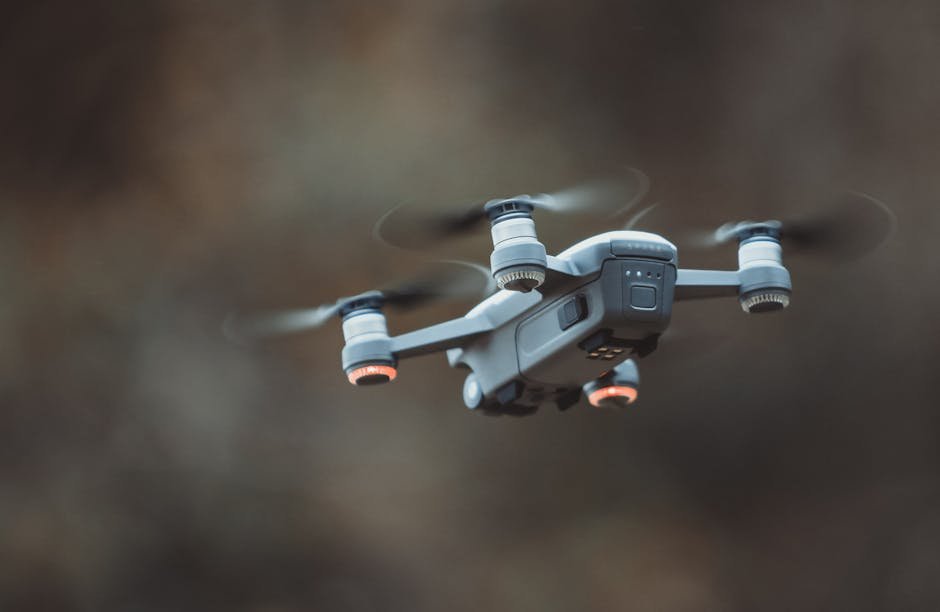
Drones have become common tools for surveillance today. They offer a mix of technology and mobility.
This section covers key points about drone models, their watching skills, and limits they face.
Common Models And Specs
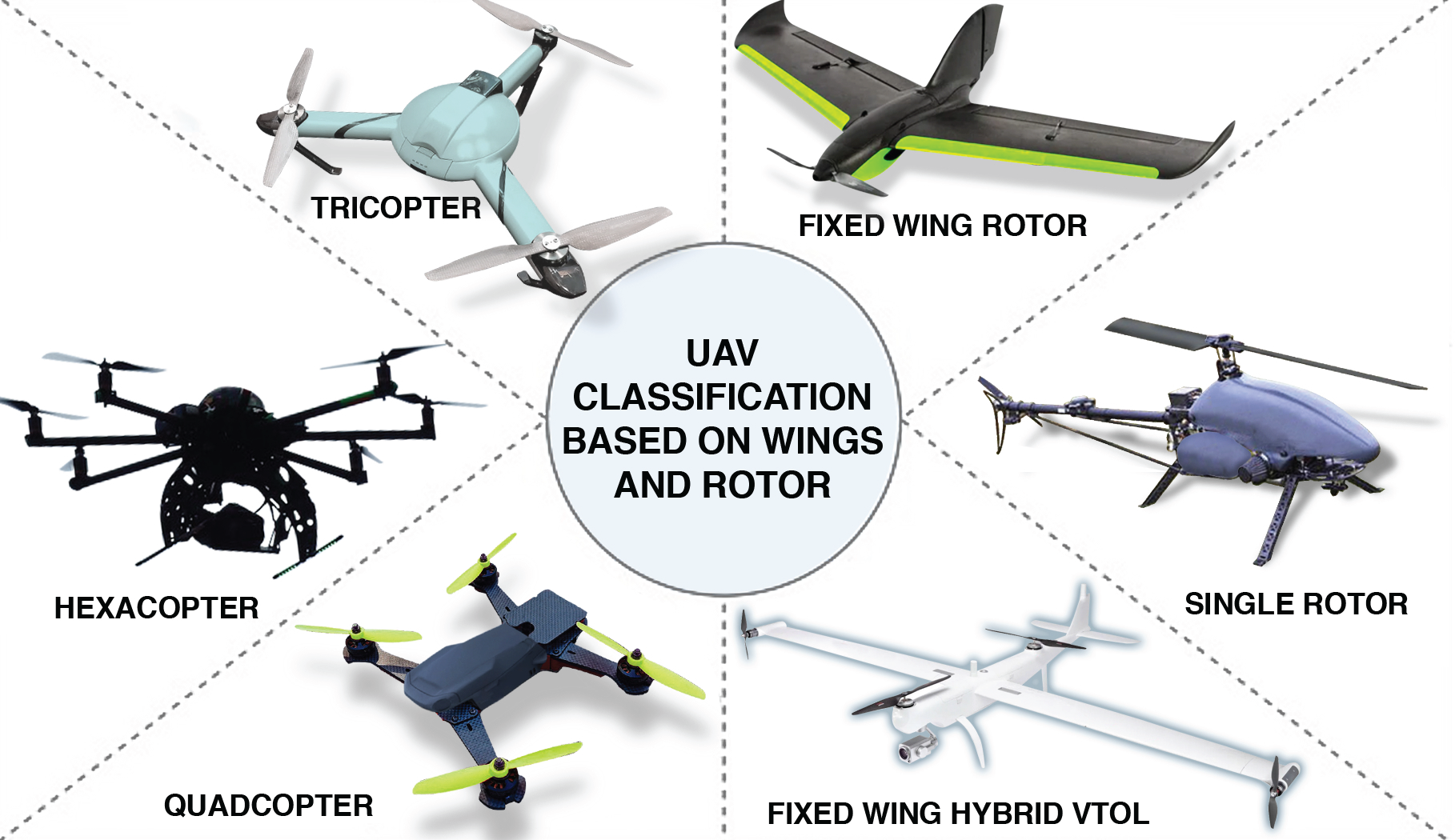
Drones vary by size, weight, and camera quality. Some are small for close views. Others are large with longer flight times.
| Model | Weight | Flight Time | Camera Resolution |
| Mini Drone | 250g | 15 minutes | 1080p HD |
| Standard Drone | 1.2kg | 30 minutes | 4K UHD |
| Professional Drone | 3kg | 45 minutes | 8K Ultra HD |
Surveillance Capabilities
Drones can see far and wide. They use cameras with zoom and night vision. They send live video to operators.
- High-resolution cameras capture clear images.
- Infrared sensors detect heat signatures.
- Real-time video feeds enable quick decisions.
- GPS tracking helps monitor moving targets.
Operational Constraints
Drones face limits in battery life and weather. They need open space to fly and legal permission in some areas.
Key constraints include:
- Battery limits flight time to under an hour.
- Bad weather like rain or wind stops flights.
- Signal loss can break video transmission.
- Rules may restrict where drones can fly.
Image Quality And Range
Binoculars and drones are tools used in surveillance. Each has unique strengths in image quality and range.
This guide compares how binoculars and drones perform in magnification, distance coverage, and environmental impact.
Magnification And Clarity
Binoculars use lenses to magnify distant objects. They provide clear images if the optics are good.
Drones carry cameras with zoom and high resolution. They can capture detailed images but may vary by model.
- Binoculars offer steady and sharp views without electronic noise.
- Drones provide digital zoom but can lose clarity at high magnification.
- Lighting and weather affect image clarity for both tools.
Distance Coverage
Binoculars have limited range based on their lens size and magnification. They work best for nearby targets.
Drones can fly far and reach places binoculars cannot. Their cameras can cover wide areas from above.
| Feature | Binoculars | Drones |
| Maximum Distance | Up to 1000 meters | Several kilometers |
| Coverage Area | Narrow, focused | Wide, aerial views |
| Movement | Stationary or hand-held | Mobile and flexible |
Environmental Impact
Binoculars do not use power or make noise. They do not disturb the environment during use.
Drones need batteries and create noise. This can disturb animals and people nearby.
Key environmental considerations:
- Binoculars are quiet and eco-friendly.
- Drones may affect wildlife due to sound and presence.
- Drone use might require permits in protected areas.
Mobility And Flexibility
Binoculars and drones are common tools for surveillance. They offer different levels of mobility and flexibility.
Understanding how each works helps choose the right option for different situations.
Field Of View
Binoculars have a limited field of view. You see only what is in front of you.
Drones can cover a much wider area. They fly high and capture views from above.
- Binoculars: Narrow and focused view
- Drones: Wide and aerial view
- Drones can zoom and pan easily
Accessibility In Terrain
Binoculars are easy to carry and use in rough terrain. You just need to walk to your spot.
Drones can fly over obstacles and hard places. They reach areas that are unsafe or hard to walk.
- Binoculars: Limited by where you can walk
- Drones: Can access hard-to-reach places
- Drones need open space for takeoff and landing
Ease Of Deployment
Binoculars are ready to use immediately. Just pick them up and start watching.
Drones require setup before use. You must check controls, batteries, and weather.
- Binoculars: Instant use, no setup needed
- Drones: Setup and preparation required
- Drones depend on battery life and signal
Stealth And Noise
Surveillance tools vary in how well they avoid detection. Stealth and noise are key factors. Binoculars and drones differ greatly in these areas.
Understanding these differences helps choose the right tool for quiet observation.
Detection Risks
Binoculars pose low detection risks because they rely on human presence. They do not emit signals or sounds. Drones can be spotted by sound and movement. Their electronics also increase detection chances.
- Binoculars need a person nearby, which may be seen.
- Drones can fly far but make noise and show lights.
- Binoculars do not interfere with signals or radar.
- Drones may be detected by radio frequency scanners.
Noise Levels
Noise is a major factor in surveillance stealth. Binoculars make no noise, relying on silent human operation. Drones use motors and propellers, creating varying noise levels.
| Device | Noise Level | Impact on Stealth |
| Binoculars | None | Very low detection risk |
| Small Drones | Moderate | Medium detection risk |
| Large Drones | High | High detection risk |
Camouflage Options
Camouflage helps reduce visual detection. Binocular users can wear clothing that blends with surroundings. Drones often have paint or coverings to reduce visibility but still stand out due to shape and movement.
Effective camouflage tips:
- Use natural colors matching the environment.
- Keep drone movements slow and smooth.
- Hide binocular users behind natural covers like bushes.
- Minimize drone flying time in visible areas.
Credit: www.amazon.com
Cost And Maintenance
Surveillance tools like binoculars and drones differ in cost and upkeep. Knowing these differences helps choose the right tool.
This section explains the costs and maintenance needs of binoculars and drones.
Initial Investment
Binoculars generally cost less than drones. A good pair of binoculars can be affordable for most budgets.
Drones have higher upfront costs due to technology and features like cameras and GPS.
- Binoculars: $50 to $500
- Drones: $300 to $2,000 or more
Upkeep And Repairs
Binoculars require little maintenance, mostly cleaning lenses and storing them properly.
Drones need regular software updates and battery care. Repairs can be costly if parts break.
| Item | Binoculars | Drones |
| Regular Maintenance | Clean lenses | Software updates, battery check |
| Repair Cost | Low | High |
| Replacement Parts | Rarely needed | Common |
Operational Expenses
Binoculars have no running costs once bought. They work without power or fuel.
Drones need batteries charged and may require extra gear like memory cards or software.
- Electricity for charging
- Extra batteries
- Software subscriptions or updates
Legal And Ethical Factors
Binoculars and drones are tools used for surveillance. Both raise legal and ethical questions. Understanding these concerns helps users stay responsible.
Legal rules and respect for privacy guide how these tools should be used. This section explains key factors to consider.
Privacy Concerns
Binoculars focus on objects from a distance without recording. Drones can capture video and photos from the air. This difference affects privacy issues.
People may feel watched or recorded without permission. Using drones in private areas can invade personal space more than binoculars.
- Binoculars show what you can see with your eyes
- Drones record and save images or videos
- Drones may capture private property or people
- Both tools should not be used to spy illegally
Regulations And Restrictions
Binoculars generally have no special laws. People can use them freely in public places. Drones face many rules worldwide.
Drone laws cover where and how high they can fly. Some areas are no-fly zones. Users need to follow these rules to avoid fines or arrests.
- Drones must often stay below specific altitudes
- No flying near airports or crowded places
- Drone pilots may need registration or licenses
- Binocular use does not require special permissions
Usage Guidelines
Both binocular and drone users should respect others’ privacy. Always get permission before observing private property. Use these tools responsibly.
Follow local laws and avoid causing harm or fear. Report any misuse to authorities. Ethical use builds trust and safety in communities.
- Do not record or watch people without consent
- Check local rules before flying drones
- Use binoculars only in public or allowed areas
- Respect others’ personal space and privacy
Best Use Cases
Binoculars and drones both help with surveillance but work best in different situations. Understanding their strengths can help choose the right tool.
This guide explains when binoculars or drones are better and how to use both together for better results.
Situations Favoring Binoculars
Binoculars work well for close to medium distances. They are simple to use and do not need power or complex setup.
They are good for quiet observation without drawing attention. Binoculars help see details clearly when you are stationary.
- Watching wildlife from a short distance
- Security checks in tight or crowded spaces
- Spotting details in outdoor events or sports
- Close-range surveillance where silence is key
Scenarios Ideal For Drones
Drones cover large areas quickly and reach places that are hard to see from the ground. They provide real-time video and can move freely.
They work well in open spaces and for monitoring moving targets. Drones need batteries and may require special permissions to fly.
- Surveying large fields or forests
- Tracking moving vehicles or crowds
- Inspecting rooftops or high places
- Monitoring remote or dangerous areas
Combined Use Strategies
Using binoculars and drones together gives better surveillance results. Drones scan wide areas, while binoculars check details up close.
This combination works well in complex environments that need both broad views and fine observation.
- Start with a drone to find points of interest
- Use binoculars to study objects or people closely
- Use binoculars when drones cannot fly or are too noisy
- Switch between tools to cover blind spots and ensure full coverage
Frequently Asked Questions
What Are The Main Differences Between Binoculars And Drones?
Binoculars offer direct, manual viewing within a limited range. Drones provide remote, aerial surveillance with wider coverage and real-time video streaming.
Can Drones Replace Binoculars For Close-range Surveillance?
Drones excel in wide-area and aerial views but lack the simplicity of binoculars for close, detailed observations.
Which Device Is Better For Night Surveillance?
Drones equipped with infrared cameras outperform binoculars, which rely on ambient light and have limited night use.
How Do Portability And Ease Of Use Compare?
Binoculars are lightweight, easy to carry, and require no power. Drones need batteries, controls, and more setup.
Conclusion
Binoculars and drones both offer unique surveillance benefits. Binoculars are simple and reliable. They require no electricity and are easy to use. Drones provide advanced technology and broader views. They can cover larger areas quickly. Choosing between them depends on your needs.
For basic tasks, binoculars work well. Drones suit high-tech and expansive needs. Consider cost, ease, and range. Both tools have their place in surveillance. Make an informed choice based on your specific requirements.