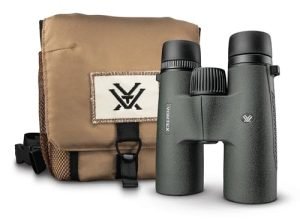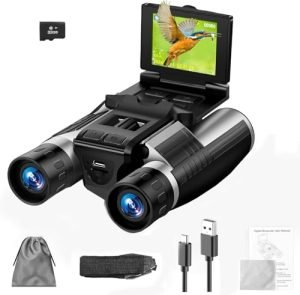
Imagine standing in a lush forest, the air filled with the melodious songs of birds. As an ornithologist, this is your paradise.
But to truly capture every detail of those vibrant feathers and swift movements, you need the right equipment. This is where Ed binoculars come into play. Are they the best choice for your birdwatching adventures? This question might have crossed your mind more than once.
You’re not alone. With so many options available, choosing the perfect binoculars can be overwhelming. We’ll uncover whether Ed binoculars are the ideal companion for you in the field. Get ready to discover the features that could elevate your birdwatching experience to a whole new level. Keep reading to ensure you don’t miss out on enhancing your ornithological pursuits.

Credit: www.engadget.com
Features Of Ed Binoculars
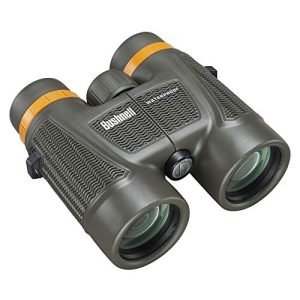
ED binoculars use special glass for better viewing. Ornithologists often choose them for birdwatching. These binoculars help see birds clearly and with true colors.
Understanding their features helps decide if they fit your needs. ED stands for Extra-low Dispersion glass, which reduces visual problems. This makes a big difference during long observation sessions.
Extra-low Dispersion Glass Benefits
ED glass lowers the amount of color fringing in images. This means less blurring around bird edges. It also improves sharpness and details in your view.
Bird watchers get a clearer picture of feathers and fine details. This is important for identifying different bird species correctly.
Image Clarity And Color Accuracy
ED binoculars show colors closer to what you see naturally. They reduce color distortion and make images crisp. This helps ornithologists observe birds in their true colors.
The sharp images help reduce eye strain during long viewing. Bright and clear views are useful when birds are far away or in low light.
- Sharper images with less blur
- True color representation
- Better viewing in different lighting
Comparison With Standard Binoculars
Standard binoculars often use regular glass. This can cause more color fringing and less sharpness. ED binoculars perform better in image quality and comfort.
| Feature | ED Binoculars | Standard Binoculars |
|---|---|---|
| Color Fringing | Low | High |
| Image Sharpness | High | Moderate |
| Color Accuracy | True to life | Less accurate |
| Eye Strain | Low | Higher |
Ornithologists who want clear and true images prefer ED binoculars. These binoculars help with detailed bird studies and long observations.

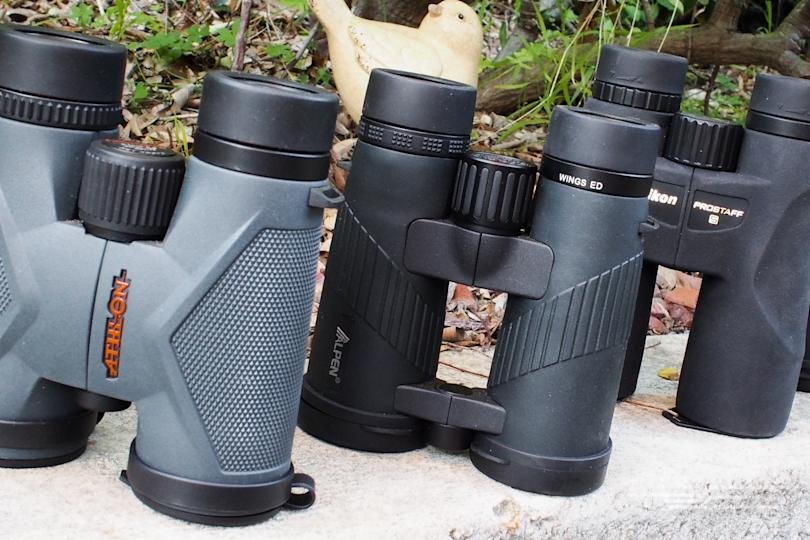
Credit: www.allaboutbirds.org
Why Ornithologists Choose Ed Binoculars
Ornithologists need clear views of birds in their natural habitats. ED binoculars help by providing sharp and bright images.
These binoculars improve the bird watching experience by showing fine details and reducing eye tiredness during long use.
Importance Of Sharp Image For Bird Watching
ED binoculars use special glass to reduce color blur. This makes bird edges clear and images crisp. Sharp images help ornithologists identify species correctly.
Enhanced Detail Recognition
- ED glass shows more color and contrast.
- Small feathers and patterns become visible.
- Bird movements can be tracked easily.
- Bird calls and behaviors can be matched with clear sight.
Reduced Eye Strain During Extended Use
| Feature | Benefit for Ornithologists |
|---|---|
| Low Dispersion Glass | Less color fringing, clearer views |
| Better Light Transmission | Bright images in dawn or dusk |
| Comfortable Eye Relief | Less eye fatigue during long hours |
Limitations Of Ed Binoculars
Extra-low dispersion (ED) binoculars offer clearer images by reducing color distortion. They are popular among bird watchers. Still, these binoculars have some limits you should know.
This article covers three main drawbacks: cost, weight, and suitability for casual users.
Cost Considerations
ED binoculars usually cost more than standard models. This price difference can be significant for some buyers. The higher cost comes from special glass and coatings used to reduce chromatic aberration.
- ED glass is expensive to produce
- Advanced lens coatings add to the cost
- Brand reputation and warranty affect price
- Repair and maintenance can be costly
Weight And Portability Factors
ED binoculars tend to be heavier than regular binoculars. The extra glass layers add to the overall weight. This can make carrying them all day tiring.
| Type | Average Weight (grams) |
| Standard Binoculars | 600 |
| ED Binoculars | 750 |
For long birdwatching trips, lighter binoculars may be more comfortable.
Potential Overkill For Casual Birders
Casual birders may not need the extra clarity ED binoculars provide. The improvement is often subtle and hard to notice without experience.
Reasons ED binoculars might be too much for casual users:
- Higher cost with small visible benefit
- Extra weight can reduce enjoyment
- Complex features may confuse beginners
- Standard binoculars often suffice for general use
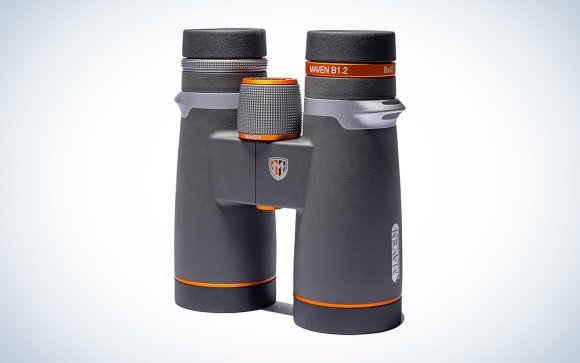
Credit: www.popsci.com
Top Ed Binocular Models For Birding
ED binoculars use special glass to give clear and sharp views. Bird watchers value these for spotting fine details.
Here are some ED binocular models that suit different budgets and needs for birding.
High-end Picks
These binoculars offer excellent image quality and durability. They work well in low light and long birding sessions.
- Model A: Bright lenses with wide field of view.
- Model B: Lightweight design and waterproof.
- Model C: Extra sharp focus and durable frame.
Mid-range Options
Mid-range binoculars balance quality and price. They suit casual bird watchers and those upgrading from basic models.
| Model | Magnification | Weight | Price Range |
|---|---|---|---|
| Model D | 8×42 | 700g | $$ |
| Model E | 10×42 | 750g | $$ |
| Model F | 8×32 | 600g | $ |
Budget-friendly Choices
Budget models provide decent ED glass features for beginners. They help new birders start without high costs.
- Model G: Compact and easy to carry.
- Model H: Good brightness in daylight.
- Model I: Simple focus system for quick use.
Expert Tips For Choosing Binoculars
Choosing the right binoculars is key for bird watchers. Good binoculars help spot and identify birds clearly.
This guide shares expert tips for picking binoculars that suit your birding style and needs.
Assessing Your Birding Needs
Think about where and how you will watch birds. Different places need different binocular features.
- If you watch birds in forests, choose binoculars with good close focus.
- For open fields or shorelines, look for binoculars with higher magnification.
- Consider the size and weight if you walk long distances.
- Check if you need waterproof or fog-proof models for wet weather.
Testing Optical Performance
Clear and bright images matter most. Test binoculars in real conditions before buying.
| Feature | What to Check | Why It Matters |
|---|---|---|
| Magnification | Try 8x or 10x | Good balance of zoom and stability |
| Field of View | Look for wide views | Easier to track moving birds |
| Eye Relief | Check if comfortable for glasses wearers | Prevents eye strain |
| Focus | Test how fast and smooth it is | Quick focus helps catch fast birds |
Balancing Features And Budget
Find binoculars that meet your needs without overspending. Compare features and prices carefully.
- Decide which features are must-haves and which you can skip.
- Check reviews to see if cheaper models perform well.
- Consider buying from trusted brands for quality and warranty.
- Remember that heavier or larger models often cost more.
Frequently Asked Questions
What Makes Ed Binoculars Suitable For Ornithologists?
Ed binoculars feature extra-low dispersion glass that reduces chromatic aberration. This provides sharper, clearer images, essential for bird identification and detailed observation in the field.
Are Ed Binoculars Better Than Standard Binoculars?
Yes, Ed binoculars offer superior image clarity and color accuracy. They enhance viewing experiences, making them preferred by ornithologists for spotting fine bird details at long distances.
How Durable Are Ed Binoculars For Field Use?
Most Ed binoculars are built with robust materials and waterproof designs. This durability ensures they withstand harsh outdoor conditions, making them reliable for long-term use in birdwatching.
Do Ed Binoculars Improve Birdwatching Accuracy?
Absolutely. Ed binoculars reduce image distortion and improve focus sharpness. This allows ornithologists to identify birds more accurately and observe subtle behavioral patterns.
Conclusion
ED binoculars offer clear, sharp views that many bird watchers appreciate. They reduce glare and improve color, helping spot details easily. These features can make bird watching more enjoyable and effective. Still, quality and price vary, so choose carefully. Good optics matter most for serious birders.
ED binoculars can be a smart choice, but not a must-have for everyone. Think about your needs and budget before buying. Good tools help you enjoy nature more.