Are your binoculars starting to look a bit foggy or unclear after countless hours of outdoor surveillance? Keeping your binoculars in top condition is crucial for maintaining crystal-clear views and ensuring you don’t miss a thing.
Imagine the frustration of trying to spot important details through a smudged or dirty lens. You deserve the best possible view, and with the right care, your binoculars can deliver just that. In this guide, you’ll discover simple, effective steps to clean your binoculars, making sure they perform like new every time you need them.
Keep reading to ensure your outdoor surveillance gear is always ready for action.
Choosing The Right Cleaning Tools
Cleaning binoculars used for outdoor surveillance needs the right tools. Using proper tools keeps lenses clear and prevents damage.
Simple tools help remove dirt, dust, and smudges carefully. This guide explains key cleaning tools for binoculars.
Soft Microfiber Cloths
Soft microfiber cloths are gentle on binocular lenses. They clean without scratching the glass surface.
Use a clean microfiber cloth to wipe lenses in a circular motion. Avoid using regular fabric or paper towels.
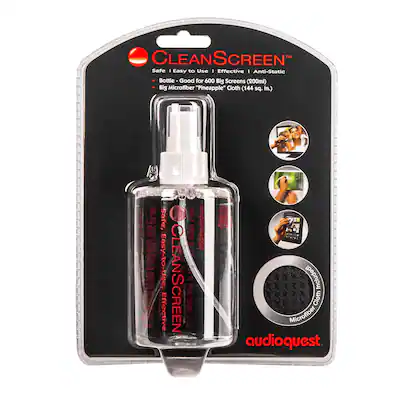
Lens Cleaning Solutions
Lens cleaning solutions help remove stubborn smudges and oils. Choose solutions made for optical lenses only.
Apply a small amount of solution to the cloth, not directly on the lenses. This stops liquid from seeping inside.
- Use alcohol-free or ammonia-free solutions
- Never use household cleaners or glass cleaners
- Check that solutions are safe for coated lenses
Air Blowers And Brushes
Air blowers remove loose dust and dirt from lenses and body parts. They reduce the need to touch lenses directly.
Soft brushes help clean edges and hard-to-reach places. Use brushes with natural or soft synthetic bristles only.
- Blow air gently to avoid pushing dust deeper
- Brush softly to prevent scratching surfaces
- Do not use compressed air cans with strong pressure
Credit: www.bestbuy.com
Preparing Your Binoculars For Cleaning
Cleaning binoculars used for outdoor surveillance helps keep images clear. Proper preparation protects the lenses and body.
Start by gathering the right tools and working in a clean, dry area. Avoid harsh chemicals and rough cloths.
Removing Loose Dirt And Dust
Remove loose dirt and dust before deeper cleaning. This prevents scratches on the lenses.
Use a soft brush or a blower to gently clear particles from lenses and body. Avoid wiping dry dirt directly.
- Use a soft lens brush for delicate surfaces
- Blow air gently with a manual air blower
- Do not use canned air or compressed air
- Keep dust away from lens edges and seals
Checking For Damage
Inspect binoculars for cracks, scratches, or loose parts. Damage can affect performance and cleaning safety.
Look closely at lenses, eyecups, hinges, and focus wheels. Note any issues before cleaning to avoid worsening them.
- Check lenses for scratches or chips
- Ensure eyecups are not torn or loose
- Test focus wheels for smooth movement
- Look for cracks in the body or seals
Cleaning The Lenses Safely
Cleaning binocular lenses is important to keep clear views. Dirt and dust can reduce image quality outdoors.
Use safe methods to protect the lens coating. Avoid rough materials that can cause damage.
Using Lens Cleaner Correctly
Choose a lens cleaner made for optics. Avoid household cleaners that may harm the lens coating.
Spray the cleaner on a soft cloth, not directly on the lens. Gently wipe the lens in a circular motion.
- Use a microfiber cloth for cleaning
- Apply cleaner to cloth, not lens
- Wipe gently to avoid pressure
- Repeat if needed, but do not soak
Avoiding Scratches And Smudges
Always remove dust and grit before wiping. Rubbing dirt can scratch the lens surface.
Keep your lens cloth clean. Dirty cloths can leave smudges or cause scratches.
- Blow off loose dust with a blower or brush
- Use a clean, soft cloth for wiping
- Store binoculars in a case when not used
- Avoid touching lenses with fingers

Credit: www.amazon.com
Cleaning The Body And Eyecups
Binoculars used outdoors get dirty from dust, moisture, and fingerprints. Cleaning them helps keep the view clear and the device working well.
This guide covers how to clean the body and eyecups safely. Focus on wiping the exterior and handling rubber and plastic parts.
Wiping The Exterior
Use a soft, dry cloth to wipe the binoculars’ body. Avoid using strong chemicals or water directly on the surface.
- Gently remove dust and dirt with a microfiber cloth.
- For stubborn spots, slightly dampen the cloth with water.
- Do not press hard to avoid scratching the finish.
- Dry the body immediately after cleaning.
Handling Rubber And Plastic Parts
Rubber and plastic parts need extra care to prevent damage. Clean them with mild soap and water using a soft cloth.
| Part | Cleaning Method | Notes |
| Rubber Eyecups | Soft cloth with mild soap solution | Rinse and dry thoroughly |
| Plastic Covers | Wipe with damp cloth | Avoid harsh chemicals |
| Rubber Grips | Clean gently with soapy water | Dry to prevent cracking |
Drying And Storing Binoculars
Binoculars used outdoors often get wet or damp. Proper drying and storage keep them working well.
Storing binoculars correctly stops damage from moisture and dust. It also extends their life.
Air Drying Techniques
After cleaning or use in wet conditions, let binoculars dry in open air. Avoid direct sunlight.
Use a soft cloth to wipe excess water before air drying. This helps speed up the process.
- Place binoculars on a dry, clean surface
- Keep them away from heat sources like heaters
- Do not use hair dryers or other hot air devices
- Allow 2-3 hours for thorough drying
Proper Storage Tips
Store binoculars in a dry place to avoid mold and rust. Use a protective case for safety.
Keep silica gel packets with your binoculars to absorb moisture. Replace them regularly.
- Store in a padded case or soft pouch
- Keep away from extreme temperatures
- Do not store binoculars with lenses facing down
- Check and clean binoculars before storing for long periods
Maintaining Binoculars For Long-term Use
Binoculars are valuable tools for outdoor surveillance. Proper care helps them last longer. Cleaning and protecting them keeps views clear and sharp.
This guide covers a regular cleaning schedule and the use of protective cases and covers. Follow simple steps to keep binoculars in good shape.
Regular Cleaning Schedule
Cleaning binoculars regularly removes dust, dirt, and moisture. This prevents damage and maintains clear optics. Use soft tools and avoid harsh chemicals.
- Blow off loose dirt with a soft air blower or brush.
- Use a microfiber cloth to gently wipe the lenses.
- Apply lens cleaning solution only if needed, using a circular motion.
- Clean the body with a damp cloth to remove grime.
- Dry all parts completely before storing.
Protective Cases And Covers
Using protective cases and covers shields binoculars from scratches and impact. It also keeps dust and moisture away when not in use.
| Type | Protection Level | Material | Best Use |
| Hard Case | High | Plastic or Metal | Travel and rough environments |
| Soft Pouch | Medium | Neoprene or Fabric | Light protection and easy carrying |
| Lens Covers | Low | Rubber or Plastic | Protect lenses from scratches |

Credit: www.amazon.com
Frequently Asked Questions
How Often Should I Clean Binoculars For Outdoor Use?
Clean your binoculars after every few uses outdoors. Regular cleaning prevents dust buildup and maintains clear vision. Wipe lenses gently with a microfiber cloth to avoid scratches. Avoid harsh chemicals to protect lens coatings. Proper care extends binocular life and performance.
What Is The Best Way To Clean Binocular Lenses?
Use a soft brush or air blower to remove loose dirt. Apply lens cleaning solution to a microfiber cloth, not directly on lenses. Gently wipe lenses in a circular motion. Avoid paper towels or rough fabrics to prevent scratches and damage.
Can I Use Household Cleaners On Binocular Lenses?
No, avoid household cleaners as they can damage lens coatings. Use only cleaners designed for optical lenses. Harsh chemicals may cause permanent damage and reduce image clarity. Stick to lens cleaning solutions or distilled water for safe cleaning.
How Do I Clean Binocular Body After Outdoor Use?
Wipe the binocular body with a damp cloth to remove dirt and grime. Avoid soaking or submerging binoculars in water. Use a mild soap solution if necessary, then dry thoroughly. Keeping the body clean prevents dust from entering moving parts.
Conclusion
Cleaning binoculars regularly keeps them clear and working well. Use soft cloths and gentle solutions to protect lenses. Avoid harsh chemicals that can damage the glass. Store binoculars in a dry place to prevent moisture buildup. Taking care of your gear helps you see better outdoors.
Small steps make a big difference in the long run. Keep your binoculars ready for your next adventure. Clean tools last longer and give clearer views every time. Simple care routines save money and improve your experience.