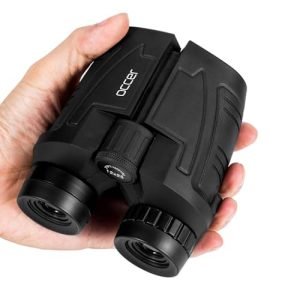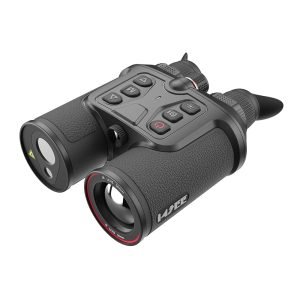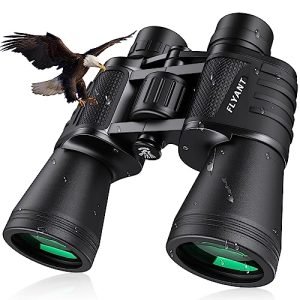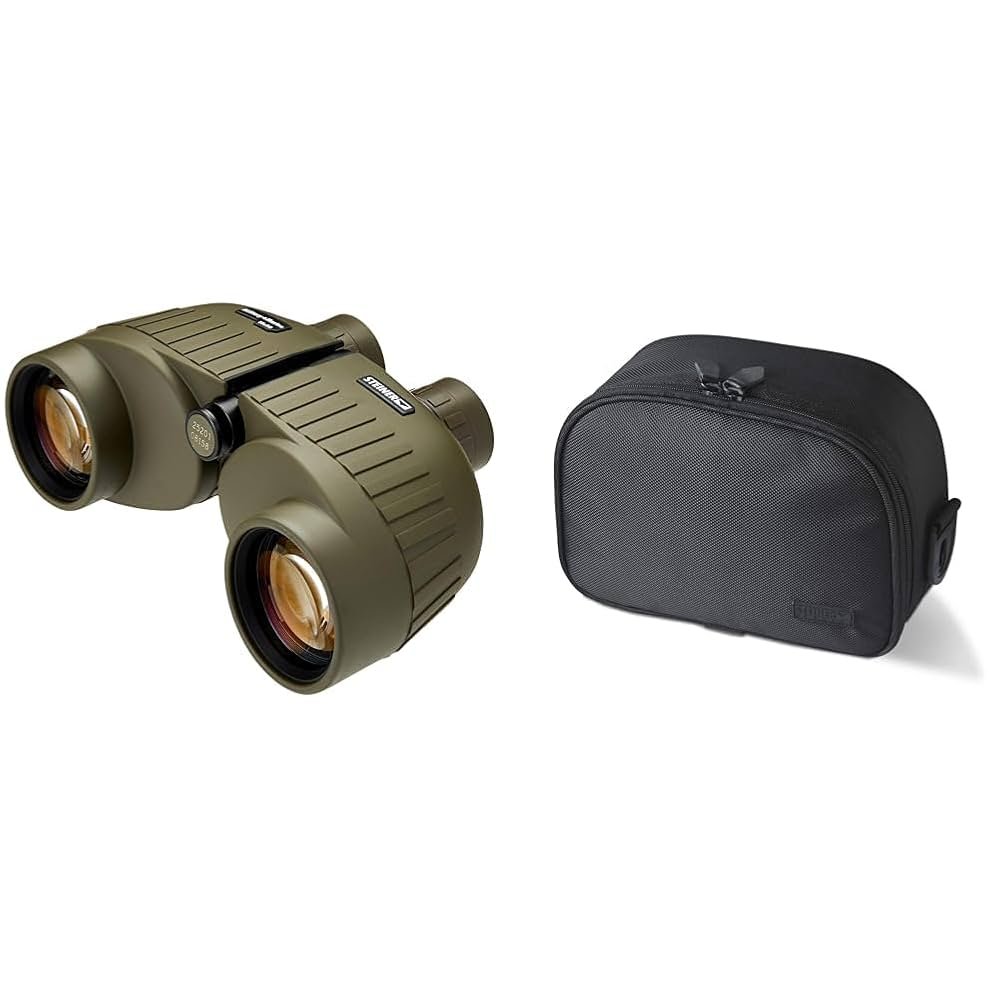
When you rely on binoculars in tough situations, the last thing you want is for them to break or malfunction. If you’re wondering, “Are military binoculars shockproof?” you’re not alone.
You need gear that can handle rough handling, sudden impacts, and harsh environments without failing you. This article will uncover the truth about military binoculars’ durability and what makes them stand out. Keep reading to find out if these binoculars can truly survive the shocks and keep your vision clear when it matters most.
Military Binoculars Basics
Military binoculars are tools designed for use in tough environments. They help soldiers see far objects clearly.
These binoculars are built to be strong and reliable. They often have special features to survive rough use.
Key Features
Military binoculars usually have strong bodies to protect them from shocks. They often use rubber coatings to absorb impact.
Many models are waterproof and fog proof. This helps them work in rain or cold weather.
- Shockproof design with rubber armor
- Waterproof and fog proof lenses
- High-quality glass for clear images
- Durable metal or reinforced plastic casing
- Wide field of view for better scanning
Common Uses
Military binoculars help soldiers watch far areas. They are used in many outdoor activities.
People also use them for hunting, hiking, and bird watching. Their strong build suits tough conditions.
- Military surveillance and reconnaissance
- Outdoor sports like hunting and hiking
- Bird watching and wildlife observation
- Search and rescue operations
- Marine navigation and scouting
Shockproof Design Elements
Military binoculars are built to handle rough use. They often include shockproof features to protect the lenses and internal parts.
These shockproof designs help the binoculars survive drops, bumps, and harsh conditions in the field.
Materials Used
Military binoculars use strong and flexible materials to absorb shocks. Rubber coatings are common to protect the outside.
The rubber helps cushion impacts and prevents slipping. The body often uses tough plastics or metals to resist damage.
- Rubber armor covers the binoculars
- High-impact plastics reduce weight and add strength
- Metal parts like aluminum add durability
- Lens coatings protect against scratches
Structural Reinforcements
Inside, military binoculars have special reinforcements to keep parts in place. These prevent damage from drops and shakes.
Shock-absorbing mounts hold the lenses steady. Seals keep dust and water out, which also helps protect the internal parts.
- Shock-absorbing mounts for lenses and prisms
- Reinforced hinges and focus wheels
- Waterproof seals to protect internal parts
- Secure internal frame to reduce movement
Testing Shock Resistance
Military binoculars must handle rough use without breaking. Testing shock resistance shows how well they survive drops and hits.
Shockproof means the binoculars keep working after shocks. This test is important for soldiers in tough conditions.
Military Standards
Military binoculars follow strict standards for shock resistance. These rules set the tests and limits they must pass.
One common standard is MIL-STD-810. It includes drop tests and vibration tests. The binoculars must work after these tests.
- Drop from set heights on hard surfaces
- Exposure to strong vibrations
- Tests for impact and shock absorption
Field Performance
In the field, soldiers use binoculars in rough places. Shockproof binoculars resist damage from falls and bumps.
Good shock resistance means clear views even after accidents. This helps soldiers rely on their gear during missions.
- Survives accidental drops from the body
- Works after hitting branches or rocks
- Maintains focus and image quality

Credit: www.amazon.com
Comparing Military And Civilian Models
Military binoculars are built for tough environments. Civilian models focus more on casual use. This article looks at key differences in shockproof features and quality.
We compare durability and price to help you understand what to expect from each type.
Durability Differences
Military binoculars often use stronger materials. They resist shocks, water, and dust better than civilian models. Civilian binoculars may have some protection but are less rugged overall.
- Military models have reinforced outer shells.
- They use shock-absorbing mounts for lenses.
- Civilian models may lack full sealing against water.
- Military optics pass strict durability tests.
- Civilian models focus more on lightweight design.
Price Vs. Quality
| Feature | Military Binoculars | Civilian Binoculars |
| Shockproof Rating | High | Moderate to Low |
| Water Resistance | Fully Waterproof | Water Resistant or None |
| Material Quality | Premium, Durable | Varies, Often Plastic |
| Price Range | High | Low to Medium |
| Warranty | Extended Coverage | Standard Coverage |
Military binoculars cost more but offer better protection and lifespan. Civilian models are cheaper but may wear out faster under rough use.
User Experiences And Reviews
Military binoculars often claim to be shockproof. Many users test this feature in real life. Their feedback helps others understand how well these binoculars hold up.
This section shares what soldiers and outdoor lovers say about the shockproof quality of military binoculars.
Soldier Feedback
Soldiers say shockproof binoculars are important in tough conditions. They face drops, bumps, and rough handling daily. Many report that good military binoculars survive these challenges well.
Some soldiers mention that shockproof models keep clear vision after impacts. They also say these binoculars stay aligned and do not lose focus easily. Yet, a few warn that cheaper models may fail under heavy stress.
- Shockproof binoculars survive drops and hits
- They keep lenses aligned after impacts
- Good models resist water and dust too
- Low-cost options may break under heavy use
Outdoor Enthusiast Opinions
Outdoor lovers use military binoculars for hiking and bird watching. They appreciate shockproof features for rough trails and accidental drops. Many feel safer carrying shockproof models in the wild.
Users say shockproof binoculars often have rubber coatings. This helps absorb shocks and adds grip. They report less worry about damage during trips and better durability overall.
- Rubber coatings improve shock absorption
- Shockproof binoculars handle accidental drops well
- They offer better durability outdoors
- Users trust them for long trips and hikes

Credit: www.ebay.com
Maintaining Shockproof Binoculars
Military binoculars are built to resist shocks and rough use. Keeping them in good condition helps them last longer. Proper care can protect their shockproof features.
Regular maintenance and quick repairs ensure clear vision and reliable performance. This guide shares tips to care for and fix shockproof binoculars.
Care Tips
Protect your binoculars from damage by following these simple care tips. They help keep the shockproof design effective and the lenses clear.
- Use a soft cloth to clean lenses gently.
- Keep binoculars in a padded case when not in use.
- Avoid dropping or hitting the binoculars on hard surfaces.
- Store them in a dry place to prevent moisture damage.
- Check and tighten any loose screws or parts regularly.
- Use lens caps to protect glass from scratches and dust.
Repair Options
If your binoculars suffer damage, choose the best repair option based on the problem. Quick fixes can restore function and maintain the shockproof quality.
| Problem | Repair Action | Notes |
| Loose or broken hinge | Tighten or replace hinge screws | Use proper tools to avoid further damage |
| Scratched lenses | Replace lenses or use lens polish | Professional help recommended for severe scratches |
| Water inside binoculars | Dry internally and reseal casing | Prevent moisture entry to keep shockproof seals intact |
| Damaged rubber coating | Replace rubber armor or apply new coating | Maintains shock absorption and grip |
Future Innovations In Shockproof Optics
Military binoculars need to be tough to work in rough conditions. Shockproof features protect lenses and parts from damage. New technology will make these optics even stronger and clearer.
Scientists and engineers focus on materials and design to improve shock resistance. Future binoculars will last longer and perform better under stress.
Emerging Technologies
New materials like flexible glass and advanced polymers help absorb shocks. These materials can bend slightly without breaking. This keeps the optics safe from drops and hits.
- Use of carbon nanotubes for lightweight, strong frames
- Improved lens coatings to resist scratches and impacts
- Integration of shock-absorbing gels inside the casing
- Smart sensors to detect and reduce vibration effects
Potential Improvements
Design changes will also boost shockproof qualities. Makers plan to use better seals and padding to keep parts safe inside the binoculars.
| Improvement | Benefit | Impact on Military Use |
| Modular Components | Easier to repair and upgrade | Less downtime during missions |
| Enhanced Waterproof Seals | Protects from water and dust | Works in harsh weather |
| Shock-Absorbing Mounts | Reduces internal damage | Longer device lifespan |

Credit: www.amazon.com
Frequently Asked Questions
Are Military Binoculars Designed To Be Shockproof?
Yes, most military binoculars are built to be shockproof. They use durable materials and internal cushioning to withstand impacts and rough handling during combat or outdoor activities.
How Do Shockproof Binoculars Protect Internal Lenses?
Shockproof binoculars have cushioned lens mounts and rugged housing. These features absorb shocks and prevent lens misalignment or damage from drops and vibrations.
Can Shockproof Binoculars Handle Extreme Weather?
Many military binoculars are both shockproof and weather-resistant. They are sealed to protect against moisture, dust, and temperature changes, ensuring reliable performance in harsh conditions.
Are All Military Binoculars Shockproof By Default?
Not all military binoculars are shockproof. It depends on the model and manufacturer. Always check the product specs to confirm shockproof features before purchasing.
Conclusion
Military binoculars often have robust designs. They withstand harsh conditions. Shockproof features are common. These binoculars endure drops and rough handling. Ideal for tough environments. Durability matters for military use. Quality materials ensure long-lasting performance. Not all binoculars are equal.
Choose wisely based on needs. Consider durability and shockproof features. Research models carefully. Read reviews from users. Make an informed decision. Reliable binoculars enhance outdoor experiences. Whether for military or personal use, strong binoculars are valuable. They offer clear views and withstand challenges.
Investing in durable binoculars is wise.