Have you ever wondered if binoculars should be part of your FEMA equipment kit? When disaster strikes, every tool counts, and having the right gear can make a huge difference.
You want to be prepared, but which items are truly essential? This article will help you understand whether binoculars belong in your emergency supplies and how they can boost your safety and awareness in critical moments. Keep reading to find out if adding binoculars could be a game-changer for your preparedness plan.

Credit: www.berkeleynucleonics.com
Fema Equipment Kit Basics
FEMA equipment kits help people prepare for emergencies. These kits contain tools and supplies for safety and survival.
Knowing what is in a FEMA kit helps you decide what to add. This guide explains the basics of these kits.
Core Items Included
FEMA kits include essential items to help during emergencies. These items cover basic needs like food, water, and shelter.
- Water and water purification supplies
- Non-perishable food
- First aid supplies
- Flashlight and extra batteries
- Radio for emergency updates
- Basic tools like a wrench or pliers
- Personal hygiene products
Binoculars are not usually part of standard FEMA kits. They are not listed as core items.
Purpose Of The Kit
The main goal of a FEMA kit is to help people survive after a disaster. It provides food, water, and basic care for several days.
These kits allow people to stay safe until help arrives or they can reach a safe place. They focus on immediate needs.
Role Of Binoculars In Emergencies
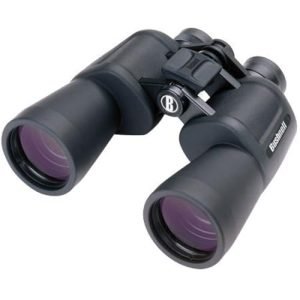
Binoculars help people see far away during emergencies. They let users spot dangers early.
Emergency teams often include binoculars in their gear. These tools improve safety and response.
Situations Benefiting From Binoculars
Binoculars assist in many emergency situations. They help in search and rescue missions and spotting hazards.
- Locating lost or injured people in rough terrain
- Surveying flood or fire-affected areas
- Watching for moving threats or wild animals
- Checking the safety of bridges and roads from a distance
- Monitoring weather conditions from afar
Advantages For First Responders
First responders use binoculars to plan and act quickly. These tools improve their vision in tough conditions.
| Advantage | Benefit |
| Early Detection | Spot dangers before they get close |
| Wide Coverage | See large areas without moving |
| Improved Safety | Assess risks from a safe distance |
| Better Coordination | Guide teams with clear, distant views |
| Night Vision Options | Work effectively in low light |
Binoculars In Official Fema Kits
Binoculars are useful tools for many emergency responders. They help see distant areas clearly in disaster zones.
This article looks at whether binoculars are part of FEMA equipment kits. It explains what is included in these kits.
Standard Kit Components
FEMA kits usually focus on basic emergency supplies. They include items for safety, communication, and first aid.
Binoculars are not a common item in every standard FEMA kit. Most kits prioritize essentials like water, food, and medical tools.
- First aid supplies
- Flashlights and batteries
- Emergency blankets
- Water and non-perishable food
- Communication radios
- Protective gloves and masks
Variations By Region Or Scenario
Some specialized FEMA kits include binoculars. These kits support specific needs like search and rescue or wildfire monitoring.
Binoculars help responders see far areas without moving. This is useful in large or dangerous zones.
- Search and rescue kits may include binoculars.
- Wildfire response kits sometimes have binoculars.
- Urban disaster kits focus less on binoculars.
- Coastal or flood kits rarely include binoculars.

Credit: www.safran-group.com
Alternatives To Binoculars In Fema Kits
Binoculars are helpful for seeing distant objects clearly. FEMA kits may not always include them.
Other tools and technology can replace binoculars for visual tasks in emergency situations.
Other Visual Tools
FEMA kits often have visual tools that help in spotting or identifying items from a distance.
These tools are simple and do not require batteries or charging.
- Magnifying glasses for close-up details
- Flashlights with focused beams for night vision
- Signal mirrors to reflect sunlight for long-distance signaling
- Handheld telescopes for basic long-range viewing
Technology Replacements
Modern technology can take the place of binoculars in many ways. They offer better clarity and extra features.
These devices often need power but give more information in emergency situations.
- Digital cameras with zoom functions for clear pictures from far away
- Smartphones with zoom and map apps for navigation and observation
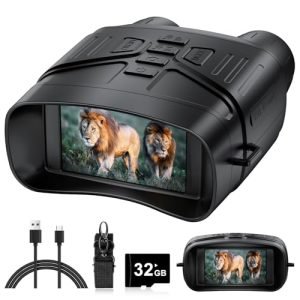
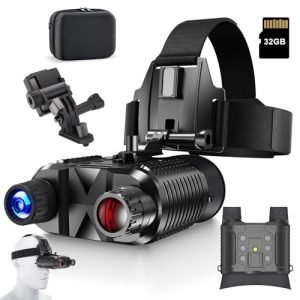
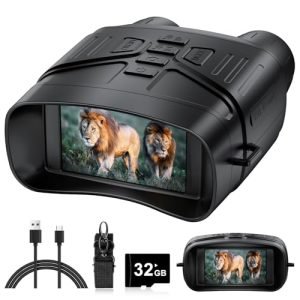
- Night vision devices to see in the dark or low light
- Drones with cameras to get aerial views and cover large areas quickly
How To Choose Binoculars For Emergency Use
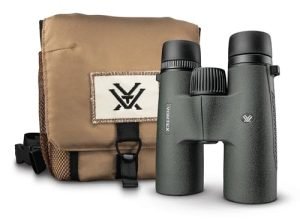
Binoculars can help you see far away during emergencies. They allow you to spot dangers or find safe paths. Choosing the right pair is important for safety and convenience.
Not all binoculars fit emergency kits like those from FEMA. You need features that work well in tough situations. Look for clarity, size, and strength when picking binoculars.
Key Features To Consider
Good binoculars for emergencies must have clear lenses and good zoom. You want to see details without strain. Wide field of view helps you scan large areas fast. Also, check for easy focus adjustment so you can use them quickly.
- Magnification: Choose 7x to 10x for balanced zoom and stability.
- Lens size: Bigger lenses show more light but add weight.
- Field of view: Wider fields help spot objects faster.
- Focus type: Center focus is simple and fast to use.
- Eye relief: Longer eye relief works better with glasses.
Durability And Portability
| Feature | Why It Matters | What to Look For |
|---|---|---|
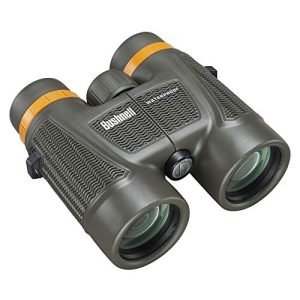
| Waterproof | Protects binoculars from rain and spills | Sealed and nitrogen-filled to prevent fogging |
| Shockproof | Stops damage from drops or hits | Rubber coating and strong frame |
| Weight | Lightweight is easier to carry for long times | Under 1.5 pounds is good for emergencies |
| Size | Compact binoculars fit better in kits | Foldable or small body design |
Pick binoculars that balance strength and ease of use. They should survive rough handling and fit in your emergency pack. Keep in mind the size and weight for quick access and comfort.

Credit: www.kuiu.com
Integrating Binoculars Into Personal Emergency Kits
Binoculars can be a useful tool in personal emergency kits. They help you see far away objects clearly. This can be important during a disaster or emergency.
FEMA kits usually do not include binoculars as a standard item. But adding them can improve your ability to assess surroundings safely.
When To Include Them
Add binoculars to your emergency kit if you expect to need long-distance vision. They are helpful for spotting hazards or finding safe paths.
People living in rural or wilderness areas may benefit most from binoculars. They can check weather changes or watch for rescue teams.
- During outdoor emergencies or natural disasters
- For hikers or campers in remote locations
- In areas with limited communication options
- When you need to observe without moving
Storage And Maintenance Tips
Keep binoculars in a dry, padded case to protect them from damage. Avoid exposing them to moisture or dust for long periods.
Check lenses regularly and clean them with a soft cloth. Store batteries separately if your binoculars have a built-in light or rangefinder.
- Use a protective case to avoid scratches
- Keep lenses clean with a microfiber cloth
- Store in a cool, dry place away from sunlight
- Remove batteries if stored for a long time
Frequently Asked Questions
Are Binoculars Included In Standard Fema Equipment Kits?
Binoculars are generally not included in standard FEMA kits. FEMA focuses on essential survival tools like first aid, water, and food supplies. However, binoculars can be a useful addition for emergency preparedness and situational awareness.
Why Might Binoculars Be Useful In Fema Emergency Kits?
Binoculars help enhance visibility over long distances. They allow users to spot hazards, locate rescue teams, or monitor environmental changes during disasters. Including binoculars can improve safety and response efficiency in emergency situations.
Can Individuals Add Binoculars To Their Fema Kits?
Yes, individuals are encouraged to customize FEMA kits. Adding binoculars can increase preparedness for specific needs or environments. Personalizing kits ensures you have tools best suited to your emergency scenarios.
Where Can I Buy Binoculars Suitable For Fema Kits?
Binoculars suitable for FEMA kits are available at outdoor stores, online retailers, and specialty survival shops. Look for compact, durable, and waterproof models to ensure reliability during emergencies.
Conclusion
Binoculars can be a useful addition to FEMA kits. They help in spotting dangers from afar. This can be crucial during disasters. Many kits focus on essentials. Yet, vision tools add safety. Emergency responders might use binoculars for better field views.
Consider adding them for extra preparedness. Binoculars are not always standard. But they offer valuable assistance. Think about what suits your kit best. Each item serves a purpose. Prioritize based on your needs. Make informed choices for your safety. Stay ready and stay safe.