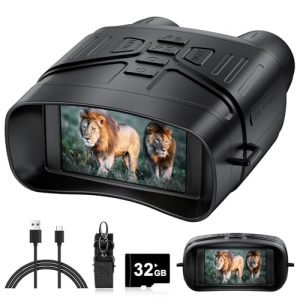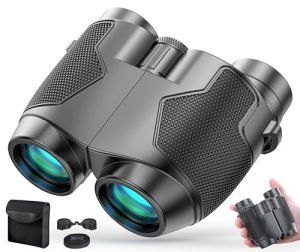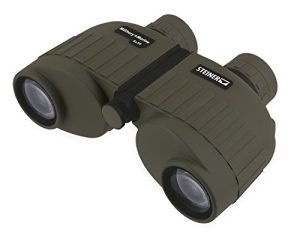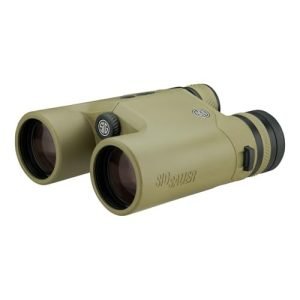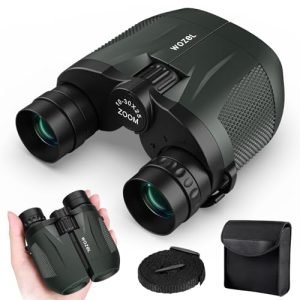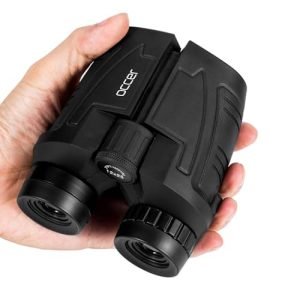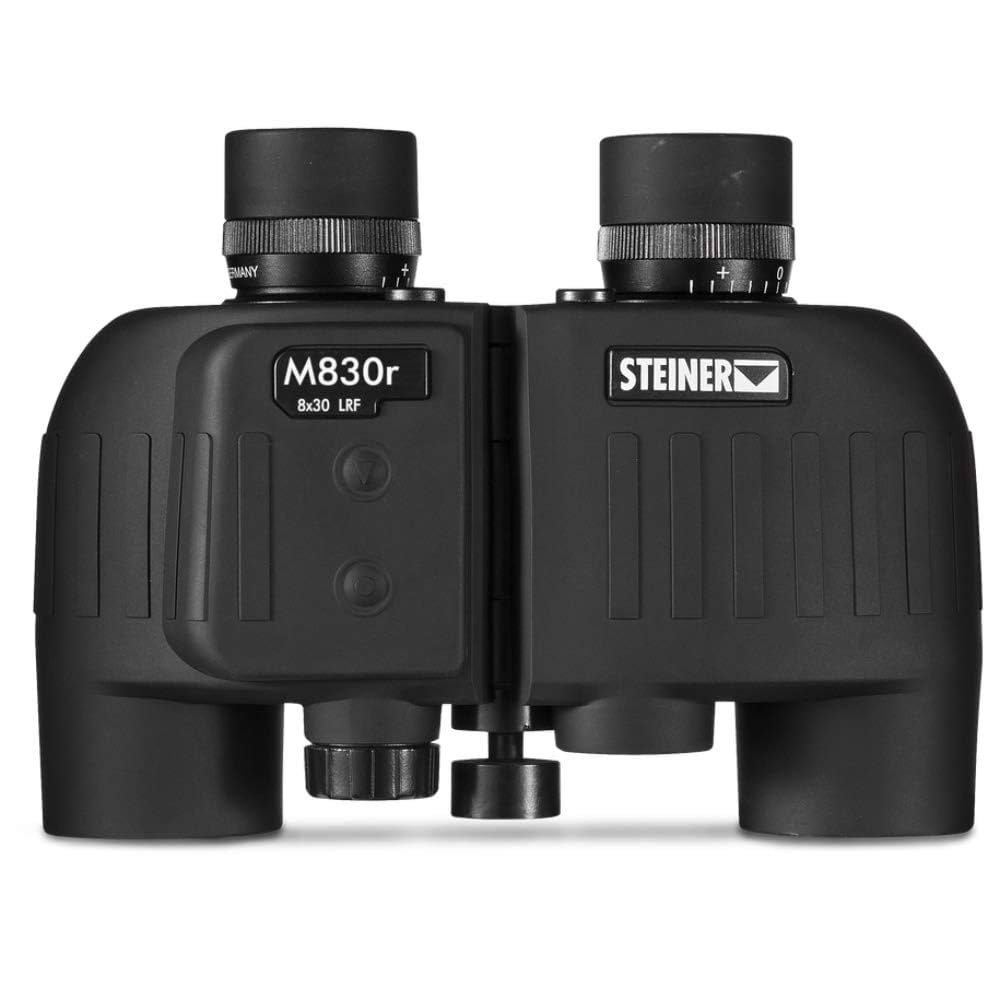
Have you ever wondered if tactical binoculars can really hold up in harsh desert conditions? If you’re planning an adventure or need reliable gear for your desert expeditions, this question matters a lot.
Deserts are tough environments—extreme heat, dust, and glare can easily ruin ordinary binoculars. But can tactical binoculars handle these challenges and give you clear, sharp views when you need them most? Keep reading to discover how these specialized tools perform in the desert and whether they are the right choice for your next trip.
Tactical Binoculars Basics
Tactical binoculars help you see far objects clearly. They are built for tough outdoor use.
People use them in many places, including deserts. Knowing their features helps you choose the right pair.
Key Features
Tactical binoculars have special parts that make them strong and useful. These parts work well in harsh places like deserts.
- Durable and water-resistant body to handle sand and dust
- Good grip design for use with gloves or in hot weather
- High-quality lenses for clear images in bright sunlight
- Adjustable focus for viewing objects at different distances
- Compact size for easy carrying in rough terrain
Common Uses
Tactical binoculars help many people in deserts. They assist with seeing far objects and staying safe.
| Use | Description |
| Navigation | Spot landmarks and find your way across sand dunes |
| Wildlife Watching | Observe desert animals without disturbing them |
| Security | Monitor wide areas for safety or protection |
| Search and Rescue | Locate people or objects from a distance in harsh desert conditions |
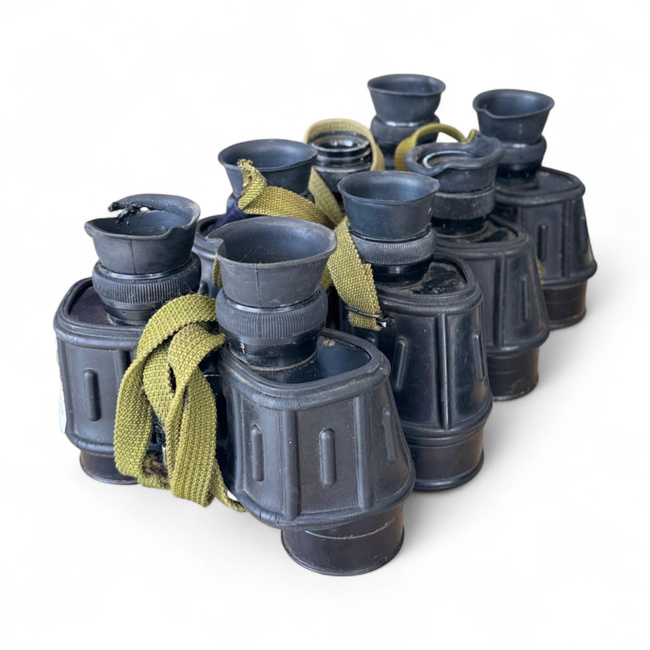
Credit: www.militarysurplus.eu
Challenges Of Desert Environments
Deserts are tough places for any gear. The harsh conditions can damage tools quickly.
Tactical binoculars face many problems in deserts. They need to work well despite these challenges.
Extreme Temperatures
Deserts have very hot days and cold nights. These changes can harm binocular parts.
Heat can cause lenses to expand. Cold can make materials shrink or crack.
- High heat may fog lenses inside binoculars
- Plastic parts can warp under strong sun
- Cold can reduce battery life if binoculars use electronics
Dust And Sand Exposure
Deserts have constant dust and sand in the air. Tiny particles can enter binoculars.
Sand can scratch lenses and block moving parts. Dust can reduce image clarity.
- Sand damages lens coatings and glass
- Dust clogs focusing mechanisms
- Wind can push dirt into binocular joints
Limited Water And Humidity
Deserts have very low humidity and little water. This dryness can affect binocular seals.
Dry air can cause rubber and plastic to crack over time. Moisture seals may dry out.
- Low humidity can make seals brittle
- Dry seals lose ability to keep dust out
- Lack of water means no easy cleaning options
Performance Of Tactical Binoculars In Deserts
Tactical binoculars are useful tools for desert environments. They help users see far distances clearly. But deserts have harsh conditions that affect their performance.
This article looks at how tactical binoculars work in deserts. We focus on durability, image clarity, and water resistance.
Durability Against Sand And Dust
Sand and dust are common in deserts. They can damage binoculars if not protected well. Good tactical binoculars have seals and coatings to keep dust out.
- Rubber armor protects the outer surface.
- Sealed lenses prevent dust from entering.
- Shock-resistant materials help with drops or knocks.
Image Clarity In Heat Haze
Heat haze blurs vision in deserts. It makes distant objects look wavy or fuzzy. Binoculars with high-quality lenses reduce this effect.
| Feature | Benefit |
| Multi-coated lenses | Reduce glare and improve sharpness |
| High magnification | Brings distant objects closer |
| Large objective lens | Allows more light for clearer images |
Water Resistance And Fog Prevention
Desert mornings can have dew or sudden rain. Water-resistant binoculars protect internal parts from moisture. Fog inside the lenses also reduces visibility.
- Waterproof seals keep moisture out.
- Fog-proof design uses nitrogen gas inside.
- Quick-dry coatings prevent water spots.
Essential Features For Desert Use
Tactical binoculars can be very useful in deserts. The harsh environment needs special features.
Dust, heat, and rough terrain can damage regular binoculars. Choosing the right ones helps a lot.
Protective Coatings
Protective coatings keep lenses clear and safe from scratches. They also reduce glare from the sun.
Coatings help binoculars work well in bright desert light. They protect against dust and moisture too.
- Anti-reflective coatings improve image clarity
- Water-repellent coatings prevent fogging
- Scratch-resistant coatings increase durability
Rugged Construction
Binoculars need strong bodies to survive desert conditions. Rough use and falls are common in deserts.
Many tactical binoculars use tough materials like rubber and metal. This keeps them safe from shocks and dust.
- Shockproof design protects internal parts
- Dustproof seals keep dirt out
- Water-resistant builds handle sudden rain
Lightweight And Portable Design
Deserts require long walks and quick moves. Heavy binoculars can slow you down.
Lightweight binoculars are easier to carry and use. Compact designs fit well in bags or pockets.
- Smaller size makes carrying easier
- Light materials reduce fatigue
- Easy to handle with one hand
Maintenance Tips For Desert Conditions
Tactical binoculars can work well in deserts if cared for properly. Dry sand and heat may cause damage. Proper maintenance helps keep them clear and functional.
Follow simple steps to clean, store, and protect your binoculars in desert environments. This guide covers important tips for each area.
Cleaning After Use
Sand and dust can scratch lenses and damage parts. Clean binoculars gently after every use in the desert.
- Use a soft brush to remove loose dirt and sand.
- Wipe lenses with a microfiber cloth to avoid scratches.
- If needed, apply lens cleaning solution sparingly.
- Do not use harsh chemicals or rough materials.
- Check and clean the body to remove sand from joints.
Storage Recommendations
Proper storage keeps binoculars safe from dust and damage when not in use. Use a dry, cool place for storage.
| Storage Tip | Reason |
| Use a padded case | Protects from shocks and dust |
| Store in a cool area | Prevents heat damage |
| Keep binoculars dry | Avoids rust and mold |
| Use silica gel packs | Absorbs moisture inside the case |
Preventing Damage From Heat
Extreme heat in deserts can warp or fade binocular materials. Protect your gear from direct sun and high temperatures.
- Do not leave binoculars exposed to direct sunlight for long periods.
- Avoid storing binoculars in hot vehicles or near heat sources.
- Use a sunshade or cover when carrying binoculars outdoors.
- Allow binoculars to cool down gradually if they get very hot.
- Regularly check seals and joints to keep heat and dust out.

Credit: www.militarysurplusworld.com
Top Tactical Binoculars For Desert Operations
Tactical binoculars help users see far distances clearly. They are important for desert missions. The desert has bright sunlight and dust. Binoculars must be strong and clear.
Choosing the right binoculars improves safety and success. This guide shows top options for desert use. It covers high-performance and budget-friendly models. User feedback is also included.
High-performance Models
High-performance binoculars have strong lenses and good zoom. They work well in bright and dusty desert conditions. These models often have waterproof and fog-proof features. They are built to last.
- Provide clear images even in harsh sunlight
- Have durable bodies to resist sand and dust
- Offer long-range viewing with high magnification
- Include coatings that reduce glare
Budget-friendly Options
Budget-friendly binoculars offer good quality at a lower price. They may lack some advanced features. Many models still handle desert conditions well. They suit users with limited budgets.
- Provide clear images with decent magnification
- Are lightweight and easy to carry
- Have basic water resistance
- Good for short to medium distance viewing
User Reviews And Feedback
Users say clear vision and durability are most important. Many note that binoculars with rubber grips work better in sand. Some mention the value of adjustable focus for different distances.
- High marks for binoculars with good light transmission
- Comments about ease of cleaning after desert use
- Preferences for models that are lightweight
- Positive feedback for waterproof and fog-proof features

Credit: www.amazon.ca
Frequently Asked Questions
Can Tactical Binoculars Handle Desert Heat?
Yes, quality tactical binoculars are designed to endure extreme heat. They use heat-resistant materials and coatings to maintain performance in desert temperatures.
Are Tactical Binoculars Dustproof For Desert Use?
Most tactical binoculars come with dustproof seals and protective coatings. This feature prevents sand and dust from damaging internal lenses and mechanics.
Do Tactical Binoculars Offer Clear Vision In Desert Glare?
Tactical binoculars often include anti-reflective coatings to reduce glare. This ensures clear, sharp images even under the intense desert sunlight.
How Important Is Waterproofing For Desert Binoculars?
Waterproofing protects binoculars from sudden desert rain and humidity. It also helps prevent internal fogging caused by temperature changes.
Conclusion
Tactical binoculars can work effectively in deserts. They offer clear vision despite harsh conditions. Sand and heat can challenge their performance. Choosing the right model is key. Look for durability and dust resistance. Water-resistant features help too. Regular maintenance extends their lifespan.
Clean lenses often for the best view. These tools enhance outdoor experiences. Ideal for explorers and adventurers. Remember, the desert environment is tough. Equip wisely for a successful journey. Binoculars make distant landscapes closer. They offer detailed views of desert wildlife.
Essential for desert explorers seeking clarity and precision.