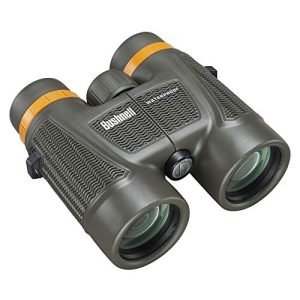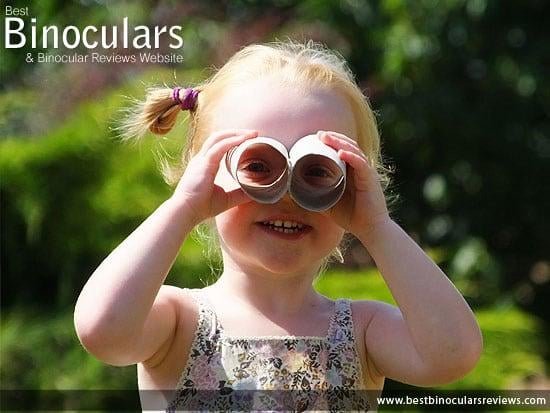
Have you ever wondered if giving your toddler a pair of binoculars is a good idea? You might think binoculars are just for adults or older kids, but they can open up a whole new world for your little one.
Imagine the excitement on your child’s face as they spot birds, animals, or distant objects with their very own tool. But before you hand over those lenses, it’s important to know if binoculars are safe and suitable for toddlers. Keep reading to find out how binoculars can affect your child’s development and what you should consider to make this experience both fun and safe.

Credit: www.amazon.ca
Benefits Of Binoculars For Toddlers
Binoculars can be a useful tool for toddlers. They help kids see things far away more clearly. This can make learning fun and exciting.
Using binoculars encourages children to explore their surroundings. It also supports their growth in many ways.
Enhancing Curiosity And Exploration
Binoculars help toddlers notice small details in nature. This sparks their curiosity and makes them want to learn more about the world.
- Spot birds and animals in the distance
- Look at trees, flowers, and insects closely
- Discover new places around their home or park
Developing Visual Skills
Using binoculars improves toddlers’ eyesight and hand-eye coordination. They learn to focus and adjust their vision step by step.
| Skill | How Binoculars Help |
| Focus | Adjusting lenses to see clearly |
| Depth Perception | Understanding distances between objects |
| Tracking | Following moving animals or objects |
Encouraging Outdoor Activities
Binoculars motivate toddlers to spend more time outside. Outdoor play is important for their health and happiness.
- Promotes physical activity like walking and running
- Teaches respect for nature and the environment
- Supports social skills when exploring with family or friends
Credit: bringbinoculars.com
Choosing The Right Binoculars
Picking binoculars for toddlers needs care. The right pair helps them explore safely and enjoy looking at things far away.
Parents should think about size, strength, and how easy the binoculars are to use. These factors make a big difference for little hands.
Size And Weight Considerations
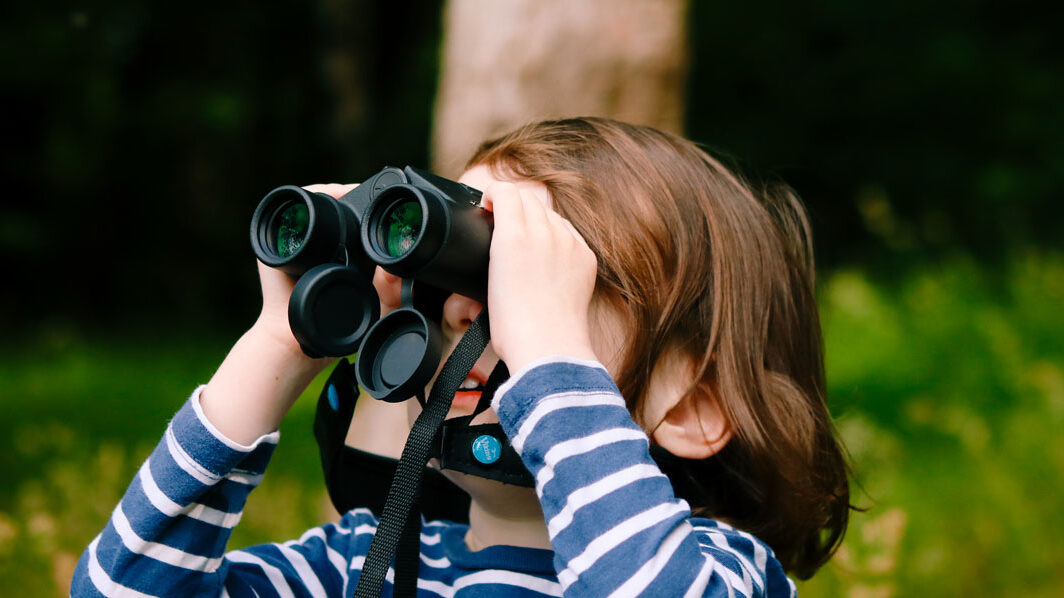
Binoculars for toddlers must be small and light. Heavy binoculars can tire their arms quickly. The size should fit their hands well.
- Choose binoculars that weigh less than 1 pound
- Look for compact designs that fit small hands
- A strap helps toddlers carry them safely
Durability And Safety Features
Durable binoculars resist drops and rough use. Safety features keep toddlers from hurting themselves or damaging the binoculars.
| Feature | Why It Matters |
| Rubber Coating | Protects from bumps and drops |
| Shatterproof Lenses | Prevents injury if dropped |
| Rounded Edges | Stops cuts or scratches |
| Adjustable Strap | Keeps binoculars secure |
Magnification And Focus Options
Keep magnification low for toddlers. High power is hard to use and can make images shaky. Simple focus helps toddlers see clearly.
Recommended features:
- Magnification between 3x and 5x
- Fixed focus or easy-to-turn focus wheel
- Wide field of view for easier tracking
Safety Precautions For Toddlers
Using binoculars can be fun for toddlers. They enjoy looking at things far away. But safety is very important.
Parents should take steps to keep toddlers safe while using binoculars. Simple rules help avoid accidents and discomfort.
Supervised Usage
Always watch toddlers when they use binoculars. They may not know how to use them safely. Adults can guide them.
Supervision helps prevent toddlers from looking at the sun or using binoculars roughly. This lowers the risk of eye damage or breaks.
Avoiding Eye Strain
Toddlers have sensitive eyes. Using binoculars for too long can cause eye strain or headaches. Limit their time looking through them.
- Let toddlers rest their eyes every 5-10 minutes
- Use binoculars in good lighting to reduce strain
- Teach toddlers to blink often while looking
Safe Handling And Storage
Toddlers may drop or misuse binoculars. Choose lightweight models with soft edges. Teach them to hold binoculars gently.
Store binoculars out of reach when not in use. This stops toddlers from playing with them unsupervised and causing damage.
- Use a strap to keep binoculars around the neck
- Place binoculars in a soft case after use
- Keep binoculars on a high shelf or locked drawer
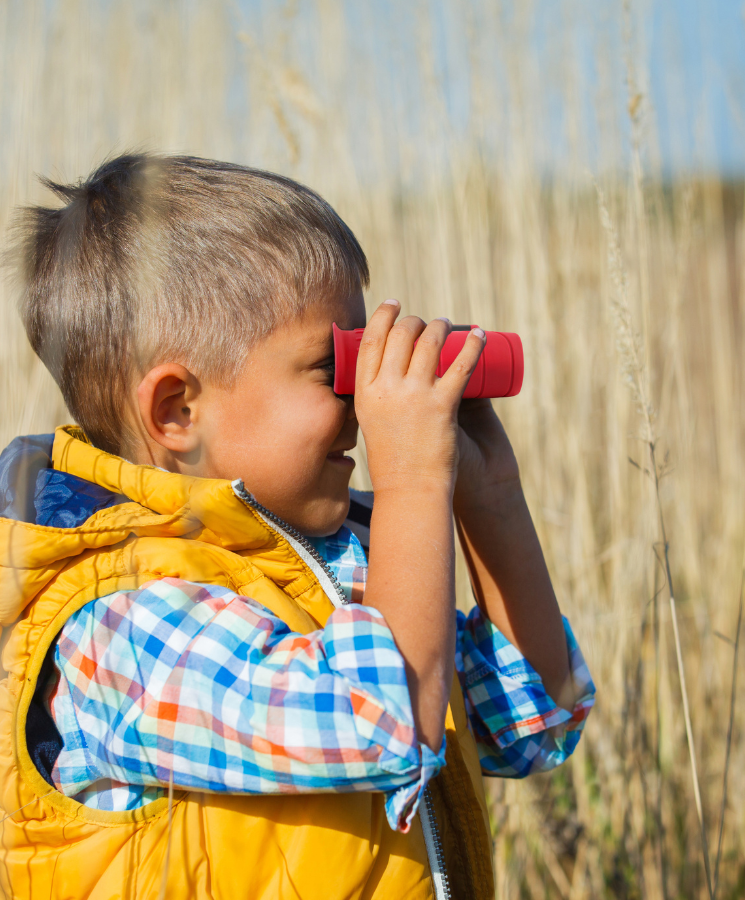
Credit: www.kodak.gtcie.com
Fun Activities Using Binoculars
Binoculars can make outdoor play more exciting for toddlers. They help kids see faraway things up close. This encourages curiosity and learning.
Using binoculars is simple and fun. Parents can guide toddlers through different activities. Here are some ideas to try together.
Bird Watching
Toddlers love watching birds with binoculars. It helps them notice colors and shapes. This activity can teach patience and observation skills.
- Find a quiet spot outside
- Look for colorful or big birds
- Count how many birds you see
- Talk about bird sounds and movements
Nature Walks
Nature walks become more exciting with binoculars. Toddlers can spot animals and plants far away. This helps them connect with nature safely.
| Activity | What to Look For |
| Tree Watching | Leaves, birds, squirrels |
| Flower Spotting | Colors and shapes |
| Animal Tracking | Tracks and small creatures |
Imaginative Play
Binoculars can be part of pretend play. Toddlers can imagine they are explorers or pirates. This sparks creativity and storytelling skills.
Try this fun pretend play idea:
- Give your toddler binoculars
- Create a treasure map or adventure story
- Use the binoculars to search for hidden “treasures”
- Make up characters and voices together
Alternatives To Binoculars For Toddlers
Binoculars can be tricky for toddlers to use safely and effectively. They may struggle to hold them steady or focus correctly. Parents can try other tools that are easier and safer for young children.
These alternatives help toddlers explore their environment while developing curiosity and observation skills. They also encourage hands-on learning and play.
Magnifying Glasses
Magnifying glasses let toddlers see small details up close. They are simple to use and help kids explore nature, like leaves or bugs. Toddlers can hold magnifying glasses with one hand, making them easier than binoculars.
- Lightweight and easy to grip
- Safe plastic lenses for young children
- Enhances fine motor skills and attention
- Encourages outdoor exploration and curiosity
- Can be used indoors for examining toys and books
Kid-friendly Telescopes
Kid-friendly telescopes offer a way to look at the sky and distant objects. They are designed with simple controls and sturdy parts. These telescopes can introduce toddlers to astronomy and nature observation.
| Feature | Benefit for Toddlers |
| Adjustable height stand | Easy to reach and use |
| Large eyepiece | Comfortable viewing |
| Durable materials | Safe and long-lasting |
| Simple focus knob | Easy to operate |
| Bright colors | Attracts interest |
Frequently Asked Questions
Are Binoculars Safe For Toddlers To Use?
Yes, binoculars designed for toddlers are safe. They usually have soft edges and are lightweight to prevent injury. Always supervise toddlers to ensure proper use and avoid eye strain or accidents.
What Age Is Appropriate For Toddler Binocular Use?
Toddlers around 2 to 3 years old can start using binoculars. Choose models specifically made for young children to ensure ease of use and safety. Early use encourages curiosity and outdoor exploration.
How Do Binoculars Benefit Toddler Development?
Binoculars help improve toddlers’ hand-eye coordination and focus. They also stimulate curiosity and observation skills. Using binoculars promotes outdoor activity and enhances cognitive development through interactive play.
What Features Should Toddler Binoculars Have?
Look for binoculars with large eyepieces, lightweight design, and durable, non-toxic materials. Adjustable focus and rubber grips improve comfort and safety. Bright colors and simple mechanics engage toddlers effectively.
Conclusion
Binoculars can be a fun tool for toddlers. They spark curiosity and exploration. Kids see the world in a new way. Choose child-friendly models for safety. Lightweight and easy-to-hold options work best. Always supervise them during use. Encourage outdoor adventures and learning.
These experiences boost imagination and observation skills. Nature becomes more interesting and engaging. Remember, the joy of discovery is priceless. Make each moment memorable and educational. In the end, it’s about fun and learning together.