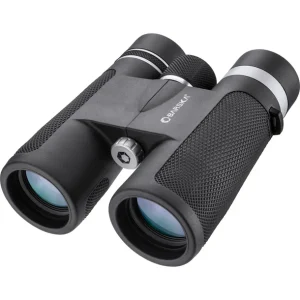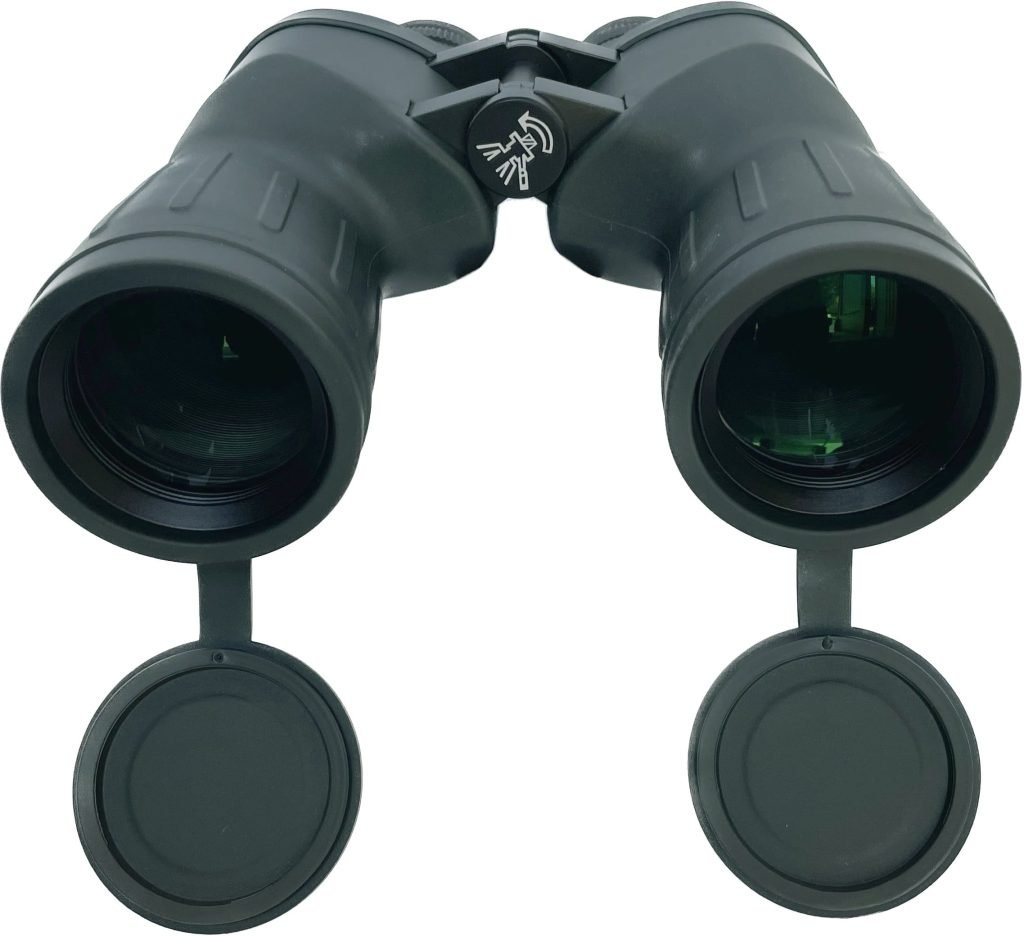
When a storm hits, every second counts, and having the right tools can make all the difference. If you’re involved in storm response, you know how critical it is to see clearly from a distance—whether you’re spotting dangers, assessing damage, or coordinating rescue efforts.
That’s where the right binoculars come in. But with so many options out there, which binoculars truly stand up to the challenge of storm response? You’ll discover exactly what features to look for and which binoculars professionals rely on when the weather turns fierce.
Keep reading to find the perfect pair that can help you stay safe and effective when it matters most.
Role Of Binoculars In Storm Response
Binoculars are important tools for people who respond to storms. They help responders see far away in tough weather conditions.
Using binoculars, responders can find dangers quickly and plan their actions better. This helps keep everyone safe.
Enhancing Visibility In Extreme Weather
Storms bring rain, wind, and darkness that make it hard to see. Binoculars help by making far objects clear even in bad weather.
They allow responders to spot flooded areas, fallen trees, or damaged buildings from a distance. This saves time and effort.
- Magnify distant objects for better view
- Work well in low light or fog
- Help spot hazards early
Safety And Coordination Benefits
Binoculars help teams communicate and work together safely. Seeing dangers from far away stops accidents.
Responders can guide each other by sharing what they see. This improves planning and speeds up rescue work.
- Identify safe paths for rescue teams
- Monitor changing storm conditions
- Coordinate actions from a distance

Credit: www.amazon.com
Key Features For Storm Response Binoculars
Storm response teams use binoculars to see far and stay safe. These binoculars must work well in tough weather. They help responders spot hazards and plan actions clearly.
Choosing the right binoculars improves visibility and speed. Here are key features that make binoculars fit for storm response.
Waterproof And Fogproof Construction
Storm binoculars must keep water out during heavy rain. Sealed bodies stop moisture from entering. Fogproof features prevent lenses from fogging inside.
This construction ensures clear views in wet and humid conditions. Storm teams can rely on their gear without lens damage or blurred vision.
Durability And Impact Resistance
Binoculars for storm work face rough handling and shocks. Strong rubber armor protects against drops and bumps. The body must resist dust and dirt as well.
- Shock-absorbing rubber coating
- Reinforced frame for extra strength
- Scratch-resistant lenses
- Sealed to block dust and debris
Magnification And Field Of View
| Feature | Importance |
| Magnification (7x to 10x) | Shows distant objects clearly |
| Wide Field of View | Allows scanning large areas fast |
| Eye Relief | Makes viewing comfortable with safety gear |
Balanced magnification and wide view help responders see details and surroundings quickly. Good eye relief fits over goggles or glasses.
Low-light Performance
Storms often reduce light levels. Binoculars need lenses that gather more light. This helps responders see in dawn, dusk, or cloudy weather.
Features like larger objective lenses and fully coated optics improve brightness. These allow better spotting in poor light conditions.
Top Binocular Models For Storm Response
Binoculars help responders see far distances clearly during storms. They must be durable and provide sharp images.
Different binoculars suit different needs. Some are made for professional use, while others balance cost and features.
High-end Professional Options
Professional storm responders need binoculars with strong build and excellent optics. These models offer clear views in bad weather.
- Leica Ultravid HD-Plus: waterproof and very sharp images.
- Nikon Monarch 7: great light transmission and rugged design.
- Zeiss Victory SF: wide field of view and lightweight frame.
Mid-range Versatile Choices
Mid-range binoculars balance price and quality well. They work in many storm response situations.
| Model | Magnification | Water Resistance | Weight |
| Vortex Diamondback | 8×42 | Yes | 20 oz |
| Celestron Outland X | 10×42 | Yes | 21.6 oz |
| Bushnell Legend Ultra HD | 10×42 | Yes | 22 oz |
Budget-friendly Reliable Picks
Budget binoculars offer good value. They are less durable but still useful for quick storm checks.
- Aurosports 10×25: lightweight and compact for easy carrying.
- Bushnell Falcon 7×35: simple design with decent clarity.
- Solomark 10×42: affordable with waterproof features.
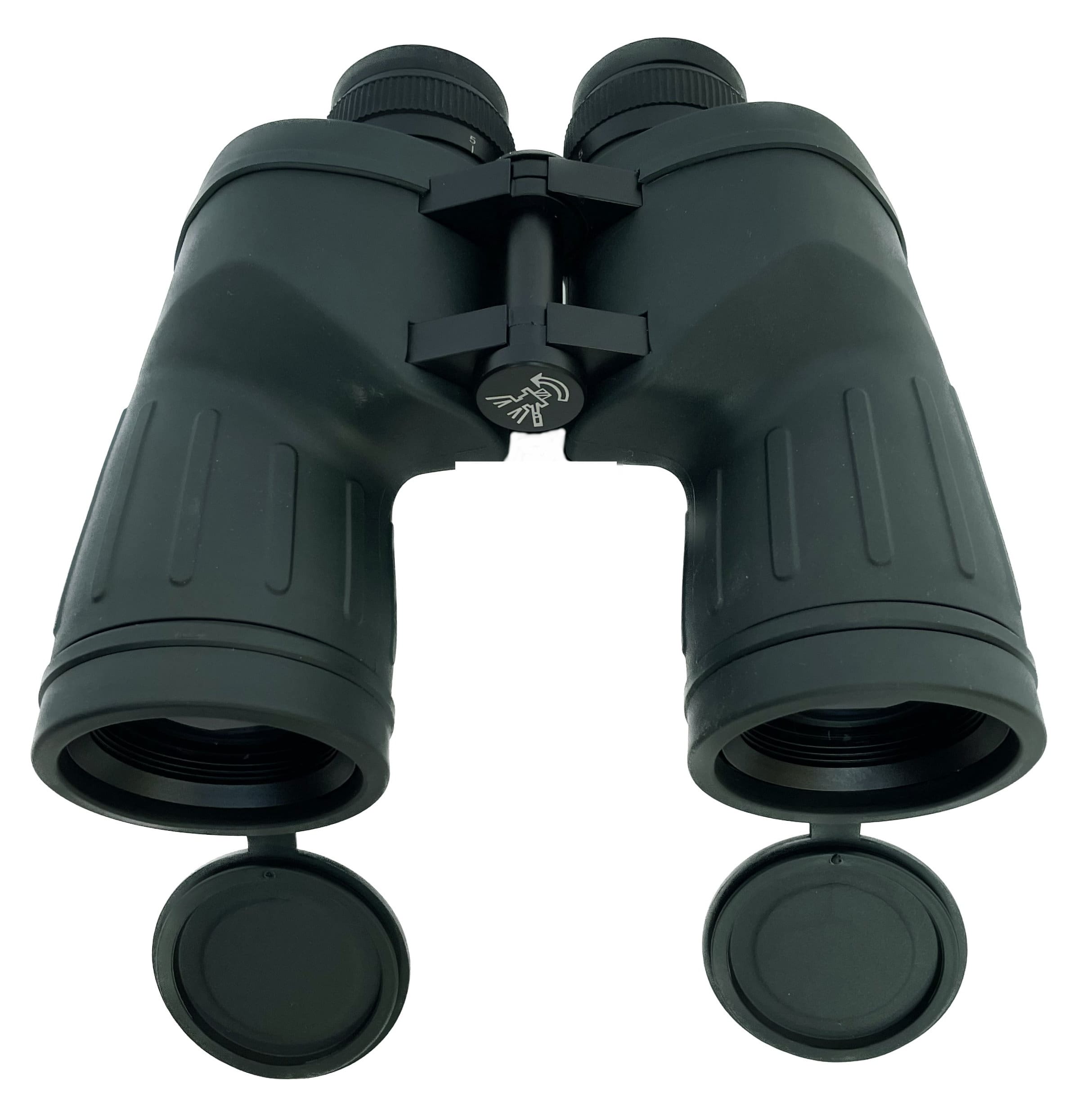
Credit: oberwerk.com
Specialized Binoculars For Specific Storm Scenarios
Binoculars help responders see details during storms from a safe distance. Different storm types need specific binocular features.
Choosing the right binoculars improves safety and helps responders track storm changes clearly.
Coastal And Marine Storms
Coastal storms bring strong winds and rough waters. Binoculars with waterproof and fog-proof features are essential.
Marine-grade binoculars often have wide lenses for better light in low visibility. They also have stable grips for use on moving boats.
- Waterproof and fog-resistant lenses
- Wide field of view for scanning large areas
- Rubber armor for a firm grip on wet surfaces
- Built-in compass for navigation help
Tornado And Windstorm Monitoring
Binoculars for tornado spotting need high magnification and clear optics. This helps see fast changes in the sky.
Durable and shockproof models withstand rough conditions. Lightweight binoculars allow quick movement to follow the storm.
- High magnification (8x to 12x)
- Shock-resistant body
- Wide field of view for tracking storm movement
- Lightweight design for easy carrying
Flood And Rain Response
Flood response binoculars need to be fully waterproof and easy to clean. Clear views help spot hazards like debris or stranded people.
Binoculars with anti-reflective coatings reduce glare from wet surfaces. Compact sizes help responders use them in tight spaces.
- Fully waterproof and dustproof
- Anti-reflective lens coatings
- Compact and portable
- Easy to clean outer surfaces
Maintenance Tips For Storm Response Binoculars
Storm response binoculars face tough weather. Proper care helps them last longer.
Good maintenance keeps lenses clear and mechanics working well. This ensures clear views during emergencies.
Cleaning And Storage
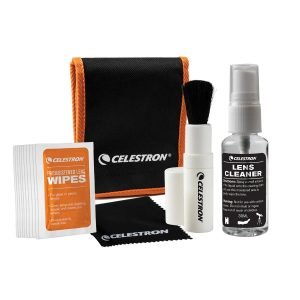
Clean binoculars gently to avoid scratches. Use soft cloths and proper cleaning solutions.
Store binoculars in a dry, cool place. Keep them in a protective case to avoid dust and damage.
- Use lens cleaning fluid or water with a microfiber cloth
- Do not use rough materials to clean lenses
- Remove dirt and debris before wiping lenses
- Store in padded cases after drying completely
- Avoid extreme heat or cold storage areas
Handling After Exposure To Storm Conditions
After storms, check binoculars for water or mud inside and outside. Dry them fully to prevent rust.
Open and close the focus and zoom rings carefully. This helps remove trapped moisture and keeps parts moving smoothly.
- Remove batteries if binoculars have electronics
- Wipe external surfaces with a dry cloth
- Use silica gel packs in storage cases to absorb moisture
- Inspect for damage like cracks or loose parts
- Get professional servicing if needed

Credit: www.amazon.com
Frequently Asked Questions
What Features Make Binoculars Ideal For Storm Response?
Binoculars for storm response must be waterproof, fog-proof, and durable. High magnification and wide field of view help spot distant threats quickly. Compact and lightweight design ensures easy handling during emergencies.
Which Magnification Is Best For Storm Response Binoculars?
A 7x to 10x magnification range is ideal. It balances clarity and stability, allowing responders to see details without excessive shakiness. Higher magnification can reduce image stability and field of view, which is crucial in storm situations.
Why Is Waterproofing Important In Storm Response Binoculars?
Waterproof binoculars prevent damage from rain, humidity, and water splashes. Storm responders often work in wet conditions, so waterproofing ensures the equipment remains functional and reliable in harsh weather.
How Do Storm Response Binoculars Assist In Emergency Situations?
They help responders detect hazards, assess damage, and locate victims from a safe distance. Clear and quick visibility improves decision-making and enhances overall safety during storm emergencies.
Conclusion
Selecting the right binoculars for storm response is crucial. They help spot hazards and ensure safety. Lightweight models with clear vision work best. Waterproof and fog-proof features add durability. Make sure to choose ones with an easy grip. They provide a secure hold in wet conditions.
Zoom capabilities assist in detailed observations. Always test before use to ensure reliability. Proper maintenance extends their lifespan. Storm response becomes more efficient with the right gear. So, invest wisely in quality binoculars. They can make a significant difference in critical situations.