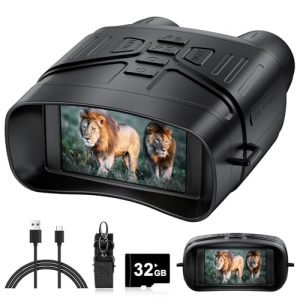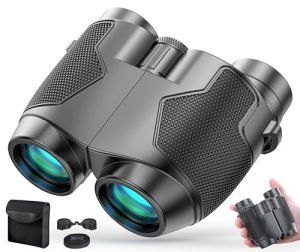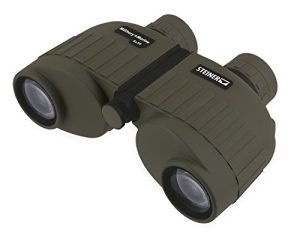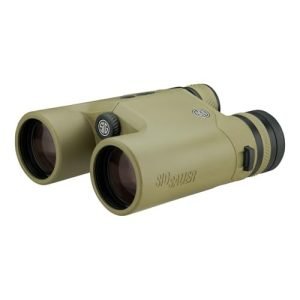
When you’re in a rescue situation, every second counts. Clear vision can make the difference between success and failure.
But have you ever wondered if using tripod-compatible binoculars could improve what you see and how you act? If you want to know how these binoculars might change your rescue efforts, keep reading. This article will help you understand their real value and whether they’re worth adding to your gear.
Your next rescue mission could depend on the answer.

Credit: www.amazon.ca
Benefits Of Tripod-compatible Binoculars
Tripod-compatible binoculars offer many advantages for rescue work. They help keep the view steady and clear. This makes spotting people or objects easier in difficult situations.
Using binoculars with a tripod reduces arm strain. It allows rescuers to observe for longer periods without discomfort. This improves focus and safety during missions.
Enhanced Stability For Clear Viewing
Mounting binoculars on a tripod stops shaky hands from blurring the image. This stability is key when viewing distant or moving targets. Clear images help rescuers make fast decisions.
- Minimizes image shake
- Provides a steady viewing platform
- Improves visibility in low light
- Supports longer observation without loss of clarity
Reduced Fatigue During Extended Use
Holding binoculars for long times causes arm and hand fatigue. A tripod carries the weight, letting rescuers rest their arms. This keeps them alert and ready over long shifts.
| Without Tripod | With Tripod |
| Arms tire quickly | Arms stay relaxed |
| View can become unstable | View remains steady |
| Shorter observation times | Longer observation times |
Improved Precision In Target Identification
Tripods help keep binoculars perfectly still. This allows rescuers to identify targets with more accuracy. They can distinguish shapes, colors, and movements better.
- Pinpoint exact locations
- Recognize small or distant objects
- Track moving targets smoothly

Credit: www.amazon.com
Key Features For Rescue Operations
Tripod-compatible binoculars offer stability and precision for rescue teams. They help spot details at long distances, which is vital in emergencies. Choosing the right features improves their usefulness in rescue missions.
This guide covers three main features: durability and weather resistance, magnification and field of view, and ease of attachment and adjustment. Understanding these helps select binoculars that work well in tough conditions.
Durability And Weather Resistance
Rescue operations often happen in rough weather and harsh environments. Binoculars must be strong and weatherproof to last and perform well. Look for models with shockproof bodies and waterproof seals.
- Rubber armor for impact protection
- Waterproof and fog-proof lenses
- Dust and dirt resistance
- Ability to operate in low and high temperatures
Magnification And Field Of View
Magnification helps see far objects clearly, but too much can narrow the view. A wide field of view allows rescuers to scan large areas quickly. Balance these features for effective spotting.
| Feature | Benefit for Rescue |
| 8x to 10x Magnification | Clear image without too much shake |
| Wide Field of View (300+ feet) | See more area at once |
| Bright, Clear Optics | Better visibility in low light |
Ease Of Attachment And Adjustment
Tripod compatibility adds stability, but quick and easy attachment is key in fast-paced rescues. Adjustable features help customize the binoculars for comfort and clarity.
- Simple tripod mount system
- Easy-to-use focus knob
- Adjustable eye relief for glasses wearers
- Lightweight design for quick handling
Situations Where Tripods Are Crucial
Tripod-compatible binoculars help keep the view steady for long periods. They are useful in many rescue situations. Using a tripod reduces shaking and fatigue.
Tripods allow rescuers to focus on details without holding binoculars. This support improves observation quality and helps in making better decisions.
Long-distance Surveillance
Watching faraway areas needs steady binoculars. Hand shaking makes it hard to see small movements. Tripods keep the view clear and stable.
Rescuers can watch distant locations longer without tired arms. This helps them spot signs of people or hazards early.
Nighttime And Low-light Conditions
In dark or low light, binoculars must stay very still. Even small movements blur the image. Tripods hold binoculars steady for better vision.
Using a tripod allows rescuers to see shapes and movements clearly. This helps find lost persons and avoid dangers.
Monitoring From Fixed Positions
Sometimes rescuers must watch one spot for a long time. Holding binoculars causes hand strain and shaking. Tripods keep the view steady without effort.
Fixed monitoring helps track changes or movements safely and accurately. Tripods also free hands for communication or note-taking.
Comparing Handheld And Tripod Use
In rescue operations, clear vision is crucial. Binoculars help spot people or objects from a distance. Choosing between handheld and tripod-compatible binoculars depends on different needs.
This guide compares mobility, speed, and image quality for both types. It helps understand when a tripod is useful.
Mobility Vs Stability
Handheld binoculars are easy to carry and quick to move. Rescuers can change locations fast. Tripods add weight and slow movement but give strong stability.
- Handheld:Lightweight and portable.
- Tripod:Heavy but steady for long viewing.
- Trade-off:Mobility versus stable viewing.
Speed Of Deployment
Handheld binoculars can be used instantly. Tripods need setup time that may delay spotting. In fast rescue missions, quick use is key.
| Feature | Handheld | Tripod |
| Setup Time | None | Several minutes |
| Ready to Use | Immediately | After setup |
| Ideal For | Fast action | Long observation |
Image Clarity And Detail
Tripods help keep binoculars steady. This reduces shaking and improves image sharpness. Handheld use may cause blur from hand movements.
- Clearer and sharper images
- Better for long-term observation
- Reduces eye strain
Selecting The Right Tripod-compatible Binoculars
Tripod-compatible binoculars help rescue teams see distant places clearly. Choosing the right binoculars is key for safety and success. Consider weight, tripod fit, and budget before buying.
These points guide you to select binoculars that work well with tripods. This choice makes long viewing easier during rescue missions.
Weight And Portability
Light binoculars are easier to carry in the field. Heavy models cause quick fatigue during long missions. Look for a balance between weight and durability.
- Choose binoculars under 2 pounds for easy carrying.
- Check if the binoculars come with a carrying case or strap.
- Consider weatherproof models for outdoor use.
Compatibility With Various Tripods
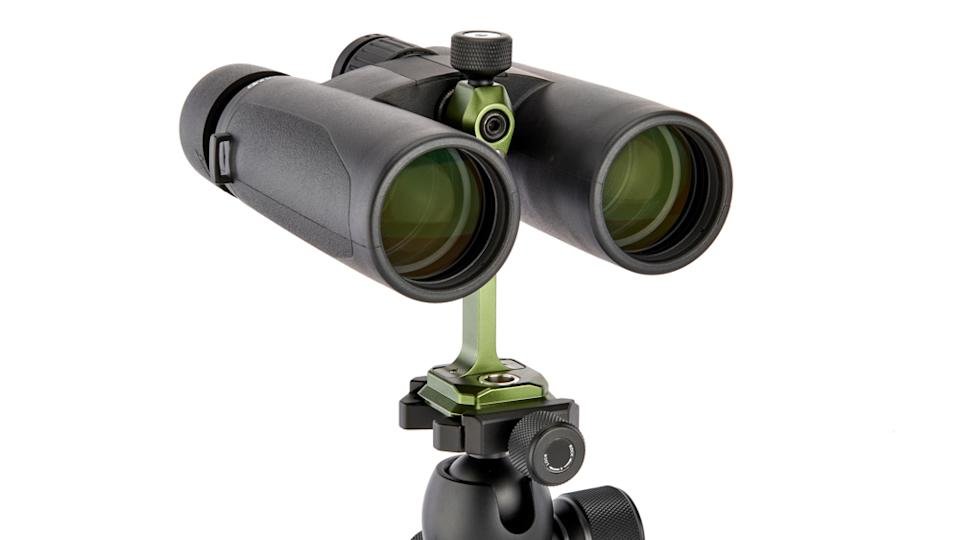
Not all binoculars fit every tripod. Check the tripod mount size on the binoculars before buying. This ensures a secure and stable setup.
| Binocular Model | Tripod Mount Type | Compatible Tripod Types |
| Model A | Standard 1/4-inch screw | Most camera tripods |
| Model B | Special quick-release plate | Brand-specific tripods only |
| Model C | Built-in tripod adapter | Universal tripods |
Budget Considerations
Binocular prices vary widely. Decide your budget before shopping. High price does not always mean best for rescue work.
- Set a clear budget range.
- Compare features and warranties.
- Look for reliable brands with good reviews.
- Consider used binoculars in good condition.
Training And Best Practices
Tripod-compatible binoculars help rescuers see distant objects clearly. Training ensures users handle these tools correctly. Best practices improve speed and safety during rescues.
Teams must learn how to set up, maintain, and share information. This training reduces errors and increases success in emergency situations.
Setting Up For Rapid Response
Quick setup of tripod-compatible binoculars is key for fast action. Practice helps teams deploy equipment without delays.
- Unfold the tripod and lock legs firmly.
- Attach the binoculars securely to the mount.
- Adjust the height for comfortable viewing.
- Focus binoculars on the search area.
- Check stability before scanning the field.
Maintaining Equipment In The Field
Proper care of binoculars and tripods keeps them working well. Clean lenses and check parts often to avoid problems.
| Task | Frequency | Details |
| Lens Cleaning | After every use | Use soft cloth and lens cleaner |
| Tripod Inspection | Before each deployment | Check for loose screws and damage |
| Battery Check | Weekly | Replace or recharge batteries |
| Storage | After use | Keep in dry, padded case |
Coordinating With Rescue Teams
Clear communication helps teams use binoculars effectively. Sharing information speeds up search and rescue efforts.
- Assign roles for who operates the binoculars.
- Use radios or signals to report sightings quickly.
- Keep a log of observations for the whole team.
- Plan regular check-ins to update the search area.

Credit: www.amazon.ca
Frequently Asked Questions
Are Tripod-compatible Binoculars Better For Rescue Operations?
Yes, tripod-compatible binoculars provide stability and clearer images during long surveillance. This is crucial in rescue operations for accurate spotting.
How Do Tripod-compatible Binoculars Improve Rescue Accuracy?
They reduce hand shakiness, offering steady views over long distances. This steadiness helps rescuers identify victims and hazards quickly and clearly.
Can Tripod-compatible Binoculars Be Used In All Rescue Environments?
Yes, they are versatile and can be used in forests, mountains, or urban areas. Tripods ensure stable viewing in challenging terrains.
Do Tripod-compatible Binoculars Enhance Night Rescue Efforts?
Many tripod-compatible binoculars support night vision or low-light use, improving visibility in dark conditions. This feature is essential for nighttime rescues.
Conclusion
Tripod-compatible binoculars prove essential in rescue missions. They provide stability and precision. Rescuers can spot victims faster and more accurately. This tool increases chances of finding people quickly. Rescuers benefit from reduced fatigue during long operations. Clear and steady views make a big difference.
Safety and efficiency improve with these binoculars. They are a practical choice for search and rescue teams. Enhanced visibility can save lives. In emergencies, every second counts. Tripod-compatible binoculars are a reliable aid for rescuers. They make rescue efforts more effective.