Imagine you’re out in the field, observing wildlife or keeping an eye on your property, when suddenly the skies open up and rain pours down, leaving your surveillance binocular lenses blurry and water-streaked. It’s frustrating, isn’t it?
You want to get back to your task with crystal-clear vision, but how do you effectively clean those lenses without damaging them? This is where knowing the right techniques can save the day. In this guide, you’ll discover simple, effective methods to restore your binocular lenses to their pristine condition after a rainstorm.
With the right approach, you can avoid scratches and smudges, ensuring that your binoculars are ready for action whenever you are. Dive in to learn how to maintain your gear and keep your view unobstructed.
Impact Of Rain On Binocular Lenses
Rainwatercan cause several issues to binocular lenses. Dirt and dust mix with water, creating smudges. These smudges make it hard to see clearly. Water droplets can also leave spotsor streaksafter drying.
Prolonged exposure to rain may cause scratcheson the lens coatings. These coatings protect the lenses from glare and help focus light better. Damaged coatings reduce image quality and cause eye strain.
Water can sometimes seep inside the binoculars. This may lead to foggingor even damage internal parts. Fog inside lenses makes viewing blurry and frustrating.
- Lens smudges and spots
- Scratches on lens coatings
- Internal fogging
- Potential internal damage
Essential Cleaning Tools
Microfiber clothsand lens tissuesare gentle on lenses. They remove dirt without scratching. Use clean cloths only to avoid damage. Avoid paper towels or rough fabrics.
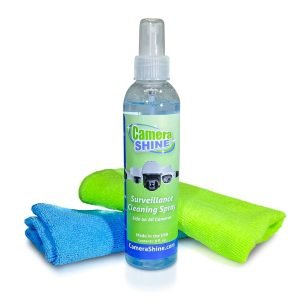
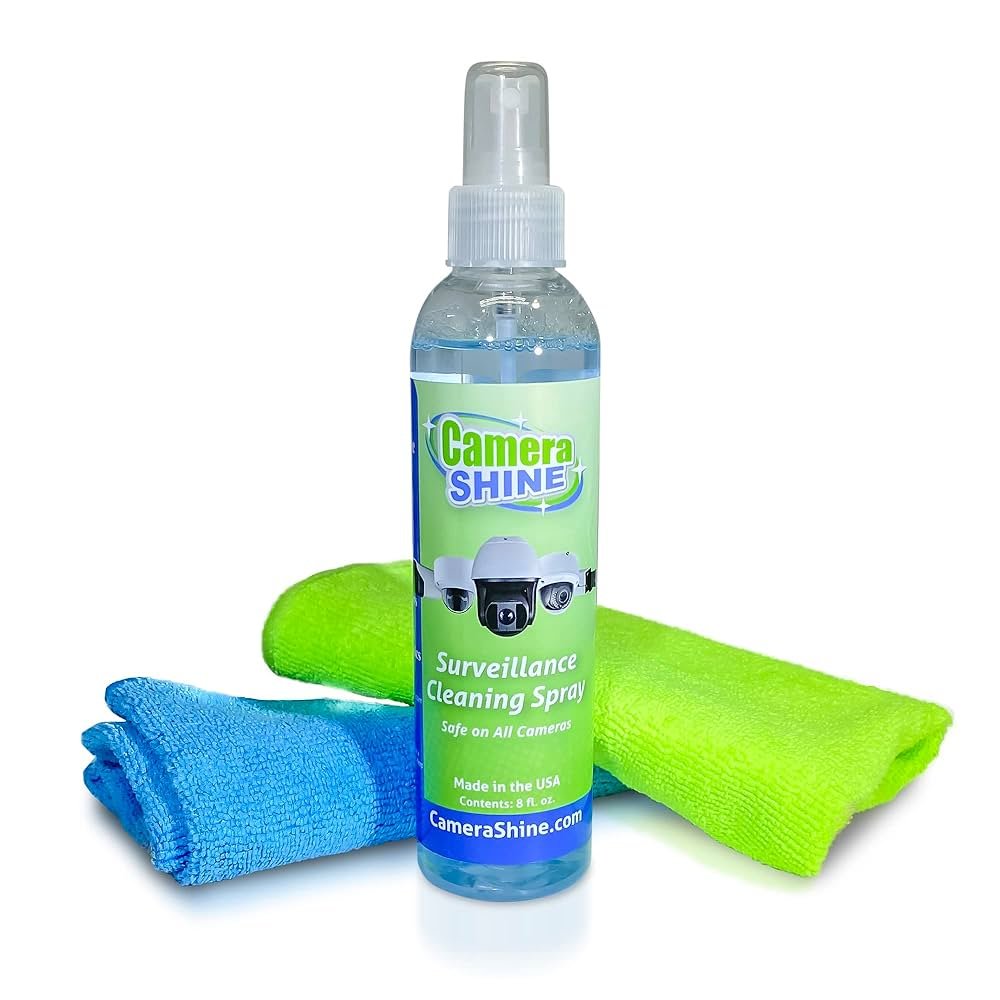
Lens cleaning solutionshelp remove stubborn spots. Use solutions made for optics. Apply a small amount on cloth, never directly on lenses. This keeps lenses safe and clear.
Air blowersand brushesremove loose dust and dirt. Use air blowers to gently blow away particles. Soft brushes help clean edges and corners carefully.
Step-by-step Cleaning Process
Use a soft cloth to gently wipe off water from the lenses. Avoid rubbing hard to prevent scratches. Let binoculars air dry in a cool place away from direct sunlight. This helps stop water spots from forming.
Remove any dirt or small debris with a soft brush or a blower. Be gentle to avoid pushing dirt into the lens. Avoid using fingers or rough materials that can scratch the glass.
Apply a few drops of lens cleaning solution on a microfiber cloth, not directly on the lens. Wipe the lenses in small, circular motions. This removes smudges and water marks without damaging the coating.
Use a dry part of the microfiber cloth to polish the lenses lightly. This step clears any leftover moisture or streaks. Check the lenses under good light to ensure they are clean and clear.

Credit: www.amazon.com
Preventive Care Tips
Gently wipe the lenses with a soft, clean cloth to remove water drops. Use lens cleaner or distilled water for stubborn dirt. Avoid harsh chemicals and never rub hard to protect the lens coating.
Proper Storage After Rain
Dry binocularscarefully with a soft cloth. Avoid using heat to dry lenses. Store in a dry, cool placeto stop mold growth. Keep binoculars in a case that blocks moistureand dust.
Using Protective Covers
- Use lens capsto protect lenses from dirt and water.
- Cover binocularswith waterproof cloth when not in use outside.
- Choose coversmade from soft, non-abrasive material.
Regular Maintenance Schedule
| Task | Frequency | Tools Needed |
|---|---|---|
| Wipe lenses with microfiber cloth | After each use | Microfiber cloth |
| Check and clean lens caps | Weekly | Soft brush |
| Inspect binocular case for moisture | Monthly | Dry cloth |
When To Seek Professional Help
Seek expert help if lenses show deep water spots or persistent fog inside. Professional cleaning prevents damage and keeps views clear. Avoid DIY fixes for serious lens issues to protect your binoculars.
Signs Of Serious Lens Damage
Scratches that blur your view cannot be cleaned at home. Water trapped inside the lens may cause fogging. Cracks on the lens surface need expert care. If the lens coating peels off, professional repair is needed. Dust or dirt inside the lens can affect image quality. Strange colors or spots in your vision mean damage. Loose or broken parts also require a technician.
Choosing A Repair Service
- Select a service with good reviews and experience.
- Check if they use proper tools and clean rooms.
- Ask about warranty on repairs and parts.
- Compare prices but avoid very cheap options.
- Ensure the service handles your binocular brand.

Credit: www.amazon.com

Credit: www.facebook.com
Frequently Asked Questions
How Do I Safely Dry Binocular Lenses After Rain?
Use a soft microfiber cloth to gently pat lenses dry. Avoid rubbing to prevent scratches. Let lenses air dry if heavily wet.
What Cleaning Materials Are Best For Wet Binocular Lenses?
Use microfiber cloths and lens cleaning solution. Avoid paper towels or rough fabrics that can scratch. Use distilled water if needed.
Can Rainwater Damage My Binocular Lenses?
Rainwater can leave spots and dirt, but usually won’t damage lenses if cleaned promptly. Always dry and clean lenses after exposure.
How Often Should I Clean Binocular Lenses After Rain?
Clean lenses immediately after rain exposure to prevent water spots and dirt buildup. Regular cleaning maintains clear vision and lens longevity.
Conclusion
Cleaning your surveillance binocular lenses after rain keeps your view clear. Use a soft cloth and gentle cleaning solution. Avoid rubbing hard to protect the lens coating. Dry lenses carefully to stop water spots. Regular cleaning helps your binoculars last longer.
Taking simple steps ensures sharp and bright images. Keep your gear ready for every outdoor moment. Clean lenses mean better surveillance and clearer details. Take care of your equipment to enjoy its full potential.