Have you ever tried spotting wildlife through your binoculars, only to be frustrated by shaky, blurry images? That annoying vibration can ruin your viewing experience and make it hard to enjoy nature’s beauty.
But don’t worry—there are simple ways you can keep your wildlife binoculars steady and get a clear, sharp view every time. You’ll discover easy tips and tricks to avoid vibration, so you never miss a moment in the wild. Ready to see wildlife like never before?
Keep reading!
Causes Of Vibration In Binoculars
Vibration in binoculars often comes from shaky hands or unstable surfaces. Wind and movement while observing wildlife can also cause shaking. Using steady support and firm grips helps reduce vibration for clearer viewing.
Common Sources Of Shake
Binoculars can shake if hands are not steady. Wind can cause shake too. Holding them too loosely makes them wobble. Heavy binoculars can be hard to hold still. Walking while viewing adds movement. Even breathing can affect stability.
Impact On Viewing Experience
Vibration makes images blurry. Details become hard to see. Wildlife appears jumpy and unclear. Eyes get tired quickly. Focusing becomes difficult. Enjoyment of nature decreases. It can lead to frustration.

Credit: www.amazon.com
Choosing The Right Binoculars
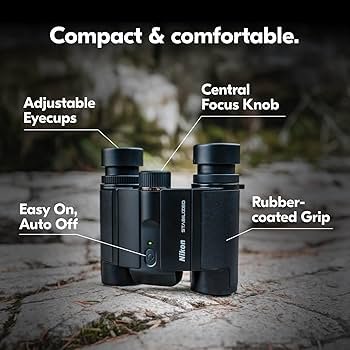
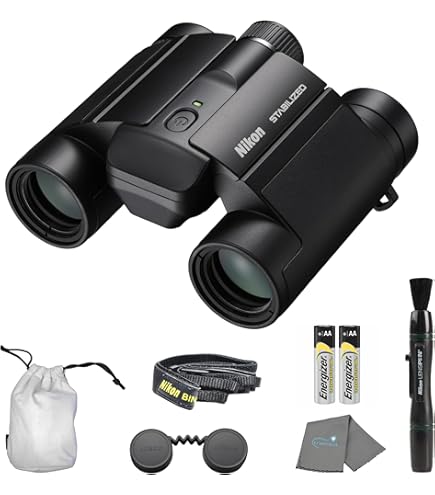
Image stabilizationhelps keep the view steady. It reduces shaking caused by hand movement. This feature is very useful for wildlife watching. Binoculars with image stabilization give clear and sharp images even if your hands are not steady.
Weight and size affect how easy it is to hold binoculars steady. Lighter binocularsare easier to hold for a long time. Smaller binoculars are usually lighter but may have less zoom power. Choose binoculars that feel comfortable in your hands to reduce vibration.
- Image stabilization reduces shakiness.
- Lighter binoculars are easier to hold steady.
- Smaller size may be easier to carry.
- Comfort helps reduce hand vibration.
Using Tripods And Supports
Tripods help keep binoculars steady for clear wildlife views. There are different types to choose from.
- Tabletop tripods:Small and light. Good for short use on flat surfaces.
- Camera tripods:Taller and stable. Great for long viewing sessions.
- Monopods:One-legged support. Easier to carry but less stable than tripods.
- Flexible tripods:Bendable legs for uneven ground or trees.
To secure binoculars, use a strap or harness to avoid drops. Attach the strap tightly to the binoculars.
Always check the tripod head is locked before use. This stops sudden movement and vibration.
Credit: www.amazon.com
Proper Holding Techniques
Hold the binoculars with both hands for better balance. Keep your elbows close to your body to reduce shake. Rest your hands on a solid surface like a tree or fence if possible. Use a neck strap to support the weight and ease your grip. Avoid gripping too tightly; a gentle hold works best.
Breathing control helps keep the view steady. Take slow, deep breaths before looking through the binoculars. Hold your breath for a moment while focusing on the object. Exhale slowly after observing. This technique reduces body movement and vibration.
Environmental Factors To Consider
Windcauses binoculars to shake, making it hard to see animals clearly. Choose spots protected from strong gusts like behind trees or rocks. Use your body or a backpack to block the wind if needed.
Stable groundkeeps your binoculars steady. Avoid soft, uneven, or slippery surfaces. Look for flat, firm areas to stand or place a tripod. This reduces vibration and helps you watch wildlife better.
Maintenance And Accessories
Using lens capsand coversprotects binocular lenses from dust and scratches. This helps keep the lenses clean and clear. Covers also reduce vibrations by shielding the binoculars from wind and accidental bumps.
Regular checks of your equipment help catch issues early. Inspect for loose screws, worn-out parts, or misaligned lenses. Tighten any loose components to stop shaking. Clean lenses gently with a soft cloth to keep views sharp.
- Use soft lens caps when not in use
- Choose padded covers for better protection
- Check and tighten screws every few weeks
- Wipe lenses with a microfiber cloth
- Store binoculars in a safe, vibration-free place

Credit: www.amazon.com
Frequently Asked Questions
How Can I Reduce Vibration With Wildlife Binoculars?
Use a tripod or stabilizer to minimize hand shake. Hold binoculars firmly with both hands. Keep your elbows close to your body for extra support. This reduces vibration and provides a steady view.
What Causes Vibration In Wildlife Binoculars?
Vibration often comes from shaky hands or unstable surfaces. Wind or movement on uneven ground also causes shaking. Lightweight binoculars without proper support are more prone to vibration.
Are Image Stabilization Binoculars Helpful For Vibration?
Yes, image stabilization binoculars counteract hand movements digitally. They provide a clearer, steadier view during wildlife observation. These binoculars are ideal for long viewing sessions and unstable environments.
Can Binocular Straps Reduce Vibration Effectively?
Binocular straps help stabilize by reducing hand fatigue. When worn tightly, they can reduce minor vibrations. However, they work best combined with other stabilization methods like tripods.
Conclusion
Avoiding vibration with wildlife binoculars makes your view clear and steady. Use a tripod or hold your breath to reduce shaking. Choose binoculars with image stabilization for smoother vision. Always grip your binoculars firmly but gently. Find a stable spot to watch wildlife comfortably.
These small steps help you see animals better. Enjoy nature without missing a single detail. Keep practicing to improve your steadiness. Your wildlife watching will become more enjoyable and rewarding.