Have your camping binoculars stopped working just when you need them most? It’s frustrating when your trusted gear gets damaged during an outdoor adventure.
But before you rush to buy a new pair, there’s good news—you can often fix your binoculars yourself. In this guide, you’ll discover simple, step-by-step tips to repair your camping binoculars and bring them back to life. Keep reading, and you’ll save money, avoid downtime, and get back to enjoying the great outdoors with crystal-clear views.
Don’t let a small problem ruin your next trip—your binoculars can be like new again!

Credit: www.facebook.com
Identify Common Binocular Issues
Common problems with camping binoculars include blurry lenses, loose parts, and stuck focus wheels. Dirt, moisture, and drops often cause these issues. Spotting these problems early helps fix them quickly and keep your binoculars working well.
Scratched Lenses
Scratched lenses can blur your view. Use a soft cloth to clean them. Avoid using harsh chemicals. They can worsen the scratches. Lens cleaner solutions may help. Apply gently with a microfiber cloth.
Loose Or Broken Hinges
Loose hinges can make binoculars hard to use. Tighten the screws with a small screwdriver. Check for broken parts. Replace broken hinges if necessary. Ensure all parts fit well.
Fogging And Moisture
Fogging can block your view. Store binoculars in a dry place. Use silica gel packs to keep them dry. Wipe off moisture with a soft cloth. Avoid direct sunlight. It can cause condensation inside.
Misaligned Optics
Misaligned optics make images unclear. Adjust the alignment using the diopter. Carefully rotate until the view is clear. Seek professional help if alignment is still off.

Credit: www.amazon.com.au
Gather Essential Repair Tools
Gathering essential toolshelps fix damaged camping binoculars easily. Start with cleaning supplieslike soft cloths and lens cleaner. These remove dirt and dust without scratching lenses.
Small screwdrivers are key tools. They fit tiny screws and help open the binocular casing carefully.
Keep adhesives and sealantshandy. Use them to fix cracks or loose parts and keep moisture out.
| Tool | Purpose |
|---|---|
| Cleaning Supplies | Remove dirt, clean lenses gently |
| Small Screwdrivers | Open casing, tighten screws |
| Adhesives and Sealants | Fix cracks, seal parts |
| Replacement Parts | Swap broken lenses or screws |
Fix Scratched Lenses
Lens cleaning kitsinclude special solutions and cloths to clean lenses safely. Use a soft microfiber cloth to wipe dust and dirt gently. Avoid paper towels or rough cloths that can cause more scratches. Apply a few drops of cleaning solution on the cloth, not directly on the lenses. Rub in small circles to remove smudges.
Polishing minor scratchescan improve lens clarity. Use a small amount of toothpaste or a lens polish product. Rub gently in circular motions with a soft cloth for a few minutes. Wipe off excess polish and clean the lens again with a microfiber cloth. This works only for tiny, shallow scratches.
Replace lensesif scratches are deep or affect vision. Damaged lenses reduce image quality and can strain eyes. Contact the binoculars’ manufacturer or a professional repair shop for lens replacement options.
Repair Loose Or Broken Hinges
Loose or broken hinges can make binoculars hard to use. Tighten screws carefully using a small screwdriver. Check both sides to ensure balance and stability. Avoid overtightening to prevent damage.
Small cracks near hinges can be fixed by applying strong glue. Use glue designed for plastic or metal. Apply a tiny amount and hold the parts together until dry. This will strengthen the hinge area and stop further damage.
Replacing damaged hinges may be needed if repair is not enough. Find hinges that match your binoculars model. Remove old hinges gently and attach new ones with screws or glue. This restores proper function and keeps binoculars secure.
Clear Fogging And Moisture
Fog and moisture inside binoculars can block your view. To dry them, open the binoculars if possible and let air flow inside. Avoid using heat like hair dryers; it may harm lenses. A gentle room temperature drying is best.
Silica gel packs absorb moisture well. Place your binoculars in a sealed bag with several silica gel packs. Leave them there for a day or two. This helps pull out dampness and stops fog from returning.
- Store binoculars in a dry, cool place.
- Use silica gel packs in the carrying case.
- Avoid sudden temperature changes.
- Keep lenses covered when not in use.
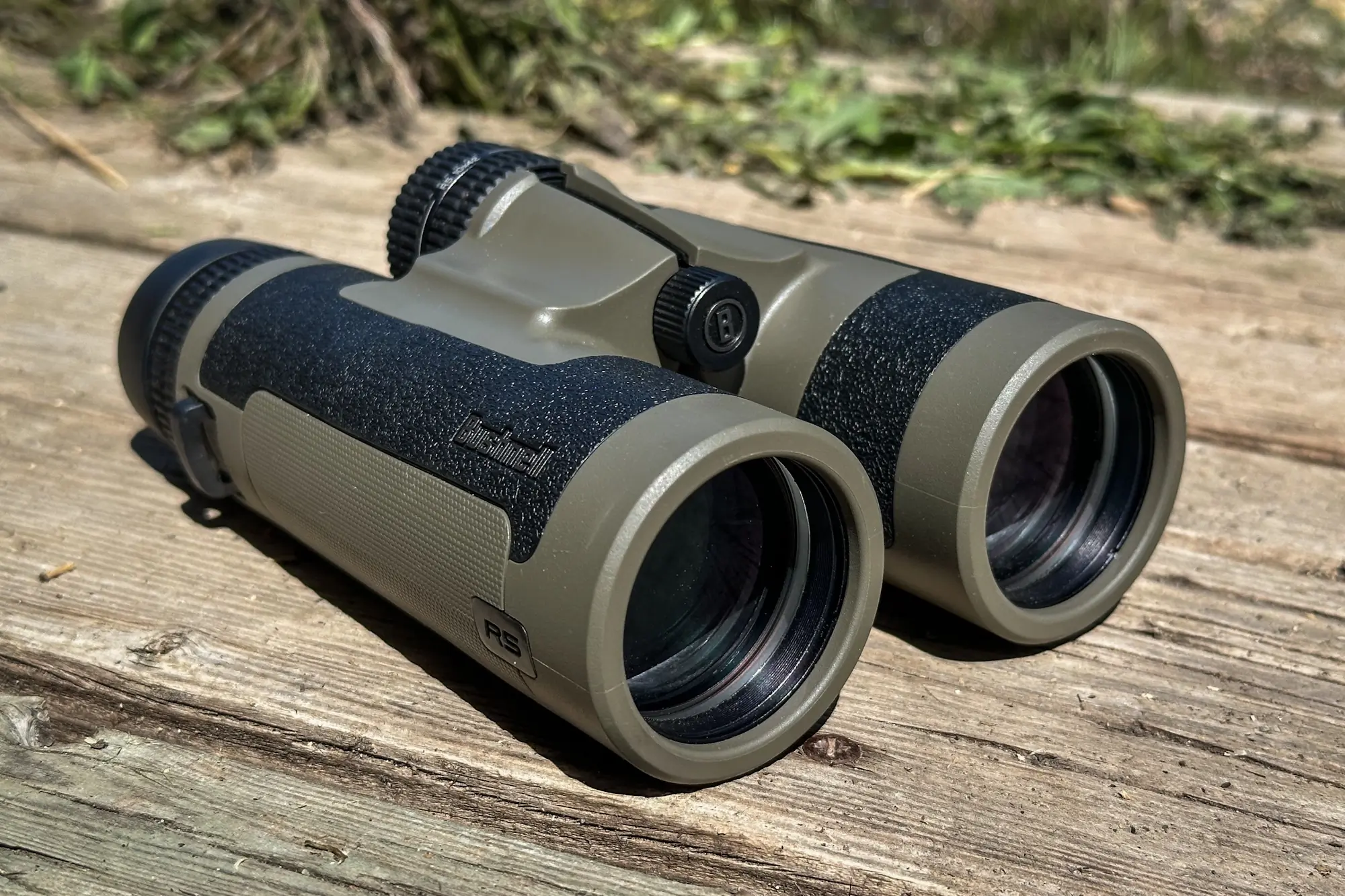
Credit: gearjunkie.com
Realign Misaligned Optics
Check if the lenses line up properly by looking through the binoculars. Misaligned optics cause blurry or double images. Hold the binoculars steady and look at a distant object to see if the images overlap perfectly.
Adjust the focus mechanism carefully. Turn the focus knob slowly while looking through the lenses. This helps bring objects into clear view. Avoid forcing the knob to prevent damage.
Test the binoculars after realignment. Look at different objects at various distances. Confirm that the image is sharp and clear. Repeat adjustments if the image remains blurry or split.
Maintain Binoculars For Longevity
Store binocularsin a dry, cool place to avoid moisture damage. Use a soft case to protect them from dust and scratches. Keep lenses covered with caps when not in use.
Clean lenses gently using a soft cloth or lens brush. Avoid using harsh chemicals or paper towels that can scratch lenses. Wipe binoculars regularly to remove dirt and fingerprints.
- Keep binoculars away from direct sunlight to prevent lens damage.
- Do not drop or bump binoculars to avoid misalignment.
- Avoid exposing binoculars to extreme temperatures.
- Handle with clean, dry hands to prevent oil buildup.
Frequently Asked Questions
How Can I Fix Blurry Images In Camping Binoculars?
Blurry images often result from misaligned lenses or dirt. Clean lenses gently with a microfiber cloth. If blurry persists, realign the lenses or consult a professional for calibration.
What Should I Do If Binoculars Have Moisture Inside?
Moisture causes fogging and damage. Open the binoculars carefully and dry them using silica gel packets. Avoid using heat sources. If sealed, seek professional repair to prevent mold.
How To Repair Cracked Or Scratched Binocular Lenses?
Minor scratches can be polished with special lens kits. For deep cracks, replace the lens entirely. Avoid DIY fixes that can worsen damage. Use protective covers to prevent future scratches.
Can I Fix Loose Or Broken Binocular Hinges Myself?
Yes, tighten loose screws using a small screwdriver. For broken hinges, replace parts if available or consult a repair specialist. Regular maintenance prevents hinge issues.
Conclusion
Repairing damaged camping binoculars can save you money and hassle. Start with simple fixes like cleaning lenses and tightening screws. Check for cracks or loose parts carefully. Use the right tools and gentle methods to avoid further damage. Regular care helps keep binoculars working longer.
Remember, small repairs often solve big problems. Keep your gear ready for every adventure. Don’t throw away binoculars at the first sign of trouble. A little effort goes a long way. Enjoy clearer views on your next camping trip!