Your wildlife binoculars are your window to nature’s wonders. But what happens when rain leaves spots and smudges on your lenses?
Dirty lenses can ruin your view and frustrate your outdoor adventures. You want a clear, sharp image every time you look through them. You’ll discover simple, effective ways to clean your wildlife binocular lenses after rain. Follow these easy steps, and you’ll protect your gear while enjoying crystal-clear views on your next trip.
Keep reading to learn how to care for your binoculars the right way.

Credit: www.amazon.com
Impact Of Rain On Binocular Lenses
Rain can leave dirt and water spots on binocular lenses, reducing clarity. Gently wiping with a soft cloth helps restore clear views of wildlife. Using lens-safe cleaning solutions protects delicate coatings during the cleaning process.
Common Issues After Rain Exposure
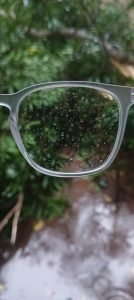
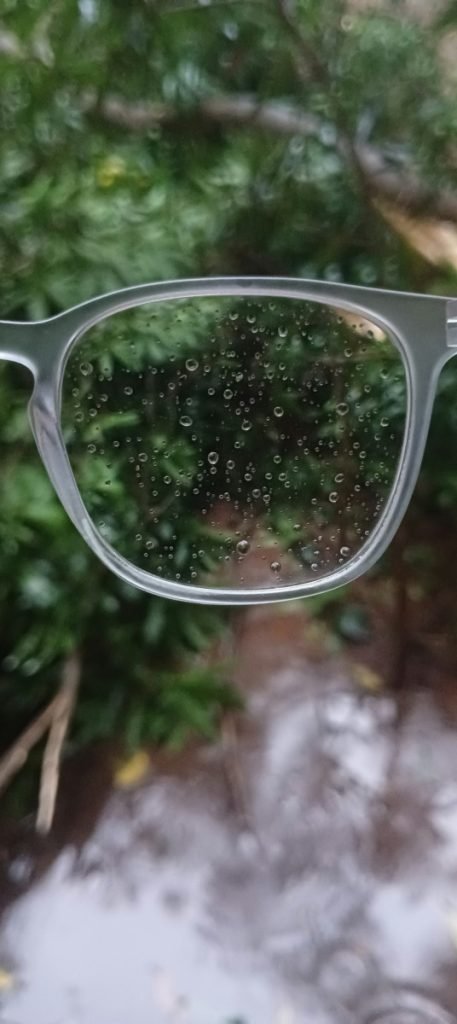
Rain can cause water spots on lenses. These spots can block clear views. Dust and dirt may stick to wet lenses. This makes them dirty faster. Lenses can also get foggy. Fog stops you from seeing well. Rainwater might leave streaks. Streaks can blur your vision. Sometimes, rainwater gets inside. This can harm the lens parts.
Why Proper Cleaning Matters
Cleaning keeps lenses clear. Clear lenses help you see better. Scratches can ruin lenses. Proper cleaning stops scratches. Clean lenses last longer. Cleaning helps remove dirt and grime. This keeps lenses in good shape. Clean lenses show true colors. Dirty lenses might change how things look. Proper cleaning is key for sharp images.

Credit: www.facebook.com
Essential Cleaning Supplies
Lens cleaning clothsare soft and gentle on delicate surfaces. Use microfiber cloths to avoid scratches. Avoid rough fabrics that can damage lenses. Keep cloths clean to stop dirt from spreading.
Lens cleaning solutionshelp remove water spots and dirt. Choose solutions made for optics. Never use household cleaners as they can harm coatings. Apply a small amount to the cloth, not directly on lenses.
Other useful tools include:
- Air blowerto blow away loose dust without touching lenses.
- Lens brushfor gentle dust removal in corners.
- Lens penwith a soft tip for stubborn smudges.
Step-by-step Cleaning Process
Start by gently shaking the binoculars to remove loose water drops. Use a soft, dry cloth to pat the lenses dry. Avoid rubbing, as this can scratch the glass.
Remove dirt and debris carefully with a soft brush or air blower. Never use your fingers to touch the lenses. Dirt can cause scratches if rubbed.
Apply a few drops of lens cleaning solution to a microfiber cloth. Avoid spraying the solution directly on the lenses. Wipe the lenses in a circular motion to clean smudges and spots.
Use a dry part of the microfiber cloth to polish the lenses. Ensure no streaks or moisture remain. Store the binoculars in a clean, dry case after cleaning.
Preventing Damage During Cleaning
Avoid touching the lenses with dirty or rough materials. Scratches can ruin the glass and blur your view. Never use household cleaners or soaps; they can harm the lens coating. Avoid rubbing the lenses harshly, even with cloth. Water spots can be gently wiped, but rubbing causes damage.
Handle binoculars with clean, dry hands. Keep the binoculars steady to prevent accidental drops. Use a soft microfiber cloth or a lens brush made for optics. Always start cleaning from the center of the lens moving outward. Avoid pressing too hard on the glass surface.
- Do not use paper towels or tissues; they scratch lenses.
- Avoid cleaning lenses while they are dry to stop damage.
- Keep binoculars in a case when not in use to prevent dirt buildup.
- Never use your shirt or any rough fabric to clean lenses.
Maintaining Binoculars Post-cleaning
Store binoculars in a dry, cool place to prevent moisture damage. Use a soft pouch or hard case to protect lenses from dust and scratches. Avoid leaving binoculars in direct sunlight or damp areas.
Clean binoculars regularly with a soft brush or cloth. Wipe lenses gently using a microfiber cloth to avoid scratches. Check for dirt or water spots before each use.
- Keep lens caps on when not in use.
- Remove dirt and dust carefully with a soft brush.
- Use a lens cleaning solution only when necessary.
- Allow binoculars to dry completely if they get wet.

Credit: www.amazon.com
Additional Tips For Outdoor Use
Keep binoculars in a dry case after use to prevent moisture buildup. Avoid touching lenses with dirty hands to reduce smudges and scratches. Regularly check and clean lenses gently for clear wildlife views.
Protective Covers And Cases
Use waterproof coversto protect lenses from rain. Soft cases help avoid scratches and dust. Keep covers on when not using binoculars. Choose cases with secure closuresto stop moisture. Store binoculars in a dry place after outdoor use.
Quick Fixes In The Field
- Gently wipe lenses with a clean microfiber cloth.
- Use a lens cleaning penfor stubborn spots.
- Blow air softly to remove dust before wiping.
- Avoid using shirt or paper towels to clean lenses.
- Dry binoculars with a soft cloth if wet.
Frequently Asked Questions
How To Safely Dry Binocular Lenses After Rain?
Use a soft microfiber cloth to gently dab lenses dry. Avoid rubbing to prevent scratches. Let binoculars air dry in a shaded area.
What Cleaning Solution Is Best For Wet Binocular Lenses?
Use a lens cleaning solution made for optics. Avoid household cleaners or alcohol. Apply solution sparingly with a microfiber cloth.
Can Rainwater Damage Wildlife Binocular Lenses?
Rainwater alone rarely damages lenses if cleaned promptly. Prolonged moisture can cause mold or fogging. Store binoculars in a dry case after use.
How Often Should I Clean Binocular Lenses After Outdoor Use?
Clean lenses after each rainy or wet exposure. Regular cleaning maintains clear vision and lens protection. Avoid excessive cleaning to prevent wear.
Conclusion
Cleaning your wildlife binocular lenses after rain keeps them clear and sharp. Use a soft cloth to avoid scratches. Gently remove dirt and water drops without pressing hard. Regular care helps your binoculars last longer and perform better. Clean lenses make your wildlife viewing more enjoyable and clear.
Take a few minutes after each rainy trip to clean and dry your binoculars. This simple habit protects your gear and improves your outdoor experience. Keep your lenses spotless, and you won’t miss any wildlife moments.