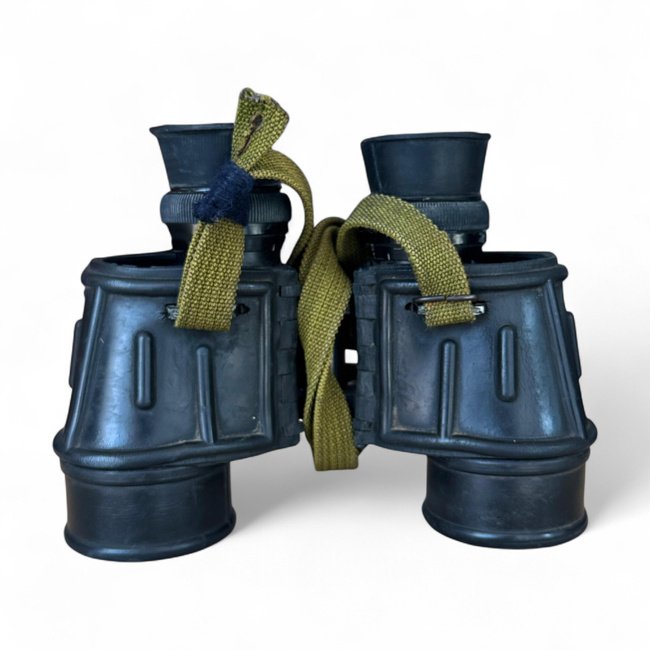
Have you ever found yourself caught in the rain while trying to get a clear view through your tactical binoculars? It can be frustrating when your gear doesn’t perform as expected in wet conditions.
You might wonder if those tactical binoculars you rely on can handle rain without fogging up or getting damaged. Understanding how your binoculars work in the rain is crucial to making the most of your outdoor adventures, whether you’re hiking, hunting, or on a mission.
Keep reading, and you’ll discover exactly what you need to know to protect your gear and keep your vision sharp, no matter the weather.

Credit: www.militarysurplus.eu
Tactical Binoculars Basics
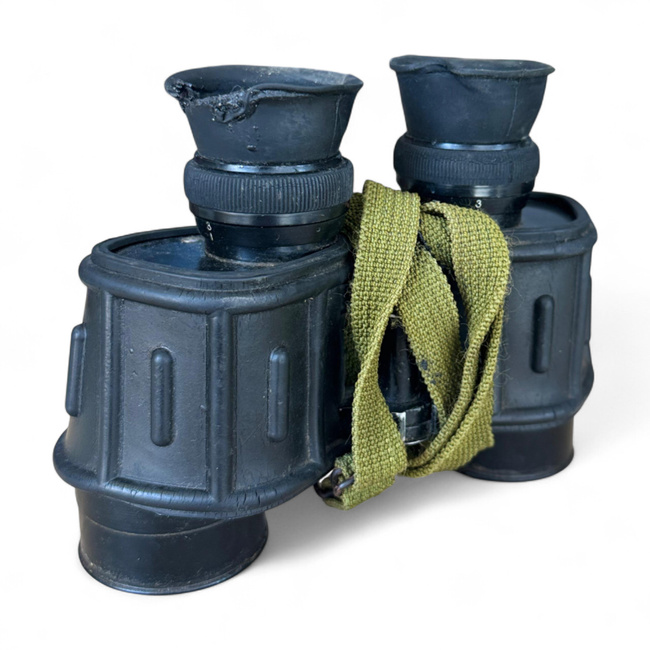
Tactical binoculars are designed for durability. They often have a rugged buildto withstand tough conditions. These binoculars feature high-quality lensesfor clear vision. Many models include night vision capabilities. This helps users see in low light settings. They can be water-resistantor waterproof for use in rain.
Tactical binoculars are used by military personnelfor field operations. They help in surveillanceand reconnaissancemissions. Hunters use them to spot animals from afar. Birdwatchersfind them handy for observing birds. They are also used in sports eventsfor better viewing.
Water Resistance Ratings
IP ratingsshow how well binoculars resist water and dust. The first digit is for dust protection, and the second digit is for water. For example, IP67means full dust protection and can handle being underwater up to 1 meter for 30 minutes.
Military standardslike MIL-STD-810Gtest binoculars in tough conditions. This includes rain, shock, and temperature changes. Binoculars with this rating are made to work well in harsh weather, including heavy rain.
Design Elements For Waterproofing
Sealing techniqueshelp keep water out of tactical binoculars. Rubber rings, called O-rings, are placed at joints. These rings stop water from entering the inside parts. Some binoculars also use special glue to seal small gaps.
The lenses often have coatings that repel water. This helps water drop off quickly. Fog can be a problem too, so many binoculars are filled with dry gas like nitrogen. This gas stops fog from forming inside the lenses.
| Material | Purpose |
|---|---|
| Rubber | Protects against shock and seals joints |
| Plastic | Keeps binoculars lightweight and water-resistant |
| Metal (Aluminum, Magnesium) | Strong frame and corrosion resistance |
| Coated Glass | Water repellent and clear vision |
Performance In Rain
Rain can blur the view through tactical binoculars.Water drops on lenses block light and reduce clarity. This makes spotting objects harder.
Fog inside the binoculars also causes visibility problems.Moisture can form when warm breath or temperature changes meet cold glass.
- Many tactical binoculars have waterproof sealsto stop rain inside.
- Anti-fog coatingson lenses help keep vision clear.
- Some models include nitrogen or argon gasinside to stop fog.
Using a lens cloth or cover can also protect lenses from rain drops. Proper care helps maintain good vision in wet weather.
Maintenance Tips For Rain Use
After using tactical binoculars in rain, clean them carefully. Use a soft cloth to wipe away water and dirt. Avoid harsh chemicals as they can damage lenses. If needed, use lens cleaning fluid made for optics.
Dry the binoculars completely before storing. Moisture can cause mold and rust inside the device. Make sure all parts are dry, especially the eyepieces and lenses.
| Storage Tips |
|---|
| Store binoculars in a dry, cool place. |
| Use a protective case to prevent dust and scratches. |
| Keep silica gel packs nearby to absorb moisture. |
| Check binoculars regularly for signs of moisture or dirt. |
Credit: www.militarysurplus.eu
Choosing The Right Model
Choose binoculars with waterproofand fog-prooffeatures.
Look for models sealed with O-ringsto keep out moisture.
Rubber armoring helps protect binoculars from drops and wet conditions.
Check the IPX ratingto understand water resistance levels.
Good models offer multi-coated lensesfor clear views in rain.
| Model | Waterproof Rating | Fog-Proof | Special Features |
|---|---|---|---|
| Nikon Prostaff 3S | IPX7 | Yes | Rubber armor, multi-coated lenses |
| Vortex Diamondback | IPX7 | Yes | O-ring sealed, nitrogen purged |
| Bushnell Legend Ultra HD | Waterproof | Yes | RainGuard HD, fully multi-coated |

Credit: www.amazon.com
Frequently Asked Questions
Can Tactical Binoculars Withstand Heavy Rain?
Yes, many tactical binoculars are designed to be waterproof and can withstand heavy rain. They have sealed O-rings and nitrogen purging to prevent water entry. Always check the product specifications for waterproof ratings before use in wet conditions.
Are All Tactical Binoculars Fog-proof In Rain?
Most tactical binoculars are fog-proof due to nitrogen or argon gas filling. This prevents internal fogging during temperature changes and rain exposure. However, verify the model’s fog-proof feature in its description to ensure clear vision in rainy weather.
How To Maintain Tactical Binoculars After Rain?
After rain exposure, wipe binoculars with a soft, dry cloth to remove moisture. Avoid using harsh chemicals. Store them in a dry case to prevent mold and damage. Regular maintenance extends their lifespan and keeps optics clear.
Do Tactical Binoculars Offer Clear Vision In Rain?
High-quality tactical binoculars provide clear vision in rain due to waterproof coatings and fog-proof seals. These features protect lenses and maintain clarity during wet weather. Lower-quality models may have reduced visibility, so choose accordingly.
Conclusion
Tactical binoculars often have water-resistant or waterproof features. These features help protect them from rain and moisture. Still, not all models handle heavy rain well. Choosing binoculars with proper sealing is important for wet conditions. Using lens covers or rain guards adds extra protection.
Regular cleaning and drying keep binoculars working properly after rain exposure. Rain should not stop your outdoor activities if you select the right binoculars. Stay prepared and enjoy clear views, no matter the weather.