If you love hiking, you know how important your binoculars are for spotting wildlife and enjoying distant views. But are you taking good care of them?
How you maintain your hiking binoculars can make a huge difference in how well they perform and how long they last. You’ll discover simple, practical tips to keep your binoculars crystal clear and in top shape. Keep reading to ensure your gear is always ready for your next adventure.
Credit: gearjunkie.com
Importance Of Proper Care
Proper care of hiking binoculars keeps them in good working condition. Dirt, dust, and moisture can damage lensesand mechanisms. This reduces clarityand functionality. Cleaning lenses gently with a soft cloth prevents scratches. Storing binoculars in a protective casestops dust and knocks. Regular checks help spot loose partsor damage early. Well-maintained binoculars last longer and give clear viewsduring hikes. Protecting your investment saves money and avoids frustrationin the wild.
Credit: gearjunkie.com
Cleaning Techniques
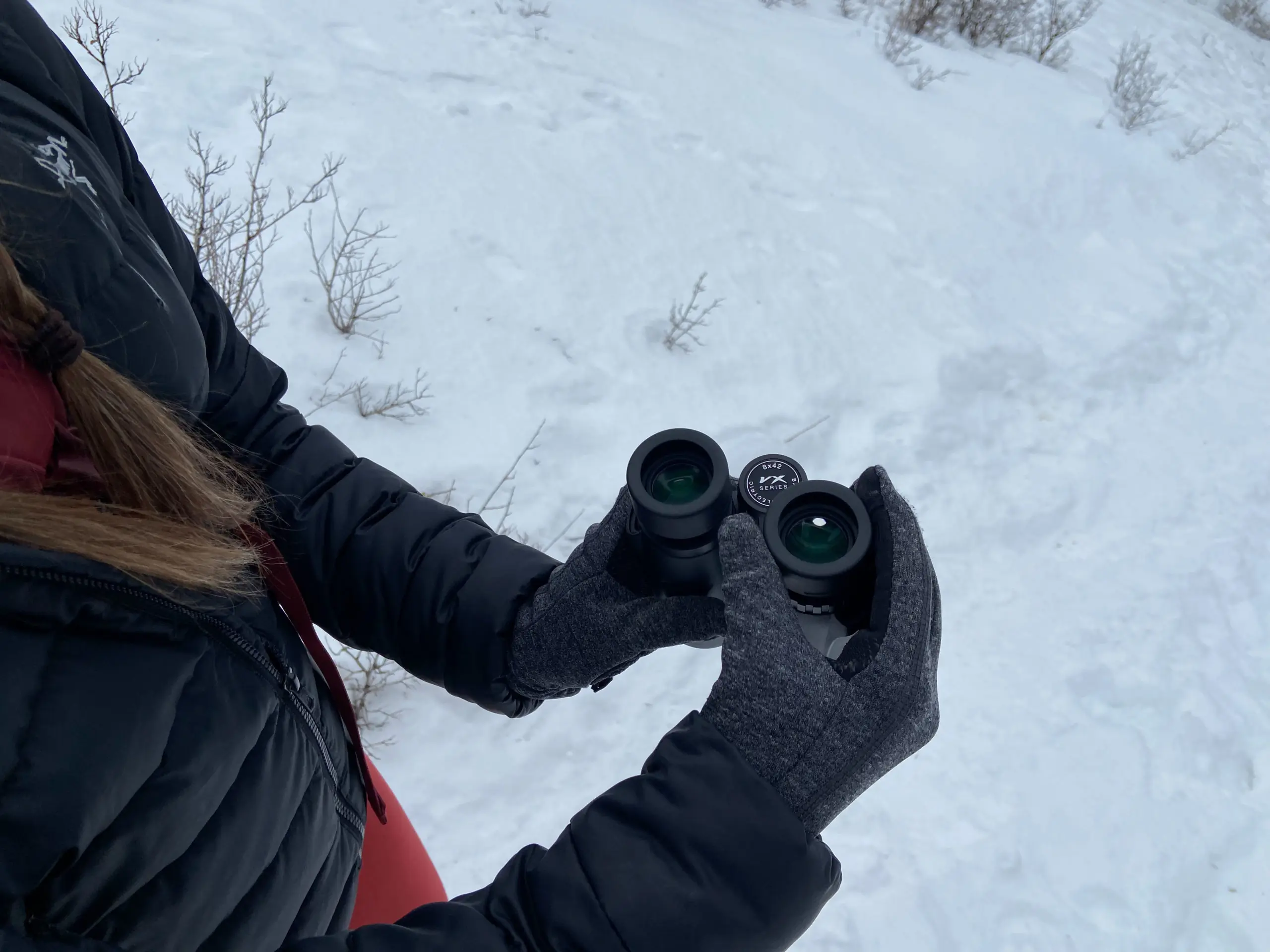
Remove dust and debrisby gently brushing with a soft brush. Avoid using fingers to wipe lenses.
A small air blower can help blow away loose dirt without touching the glass. This keeps the lenses safe from scratches.
- Use a microfiber cloth for lens cleaning.
- Apply lens cleaner or water only on the cloth, not directly on lenses.
- Wipe gently in circular motions to avoid damage.
- Never use rough materials or household cleaners.
Keep the binocular body cleanby wiping with a damp cloth. Avoid soaking or submerging in water.
Check the moving parts and hinges regularly. Apply a tiny drop of lubricant if needed to keep them smooth.
Storage Solutions
Choosing the right caseprotects binoculars from dust and damage. A hard case offers strong protection during travel. Soft cases are lighter and easy to carry but less protective. Look for cases with a snug fit to prevent movement inside. Some cases have extra pockets for cleaning cloths and accessories.
Avoiding extreme temperatureskeeps lenses and coatings safe. High heat can warp plastic parts and damage coatings. Cold can make rubber seals hard and brittle. Store binoculars in a cool, dry place away from direct sunlight or heaters. Avoid leaving them in cars on hot or cold days.
Humidity controlprevents mold and fog inside lenses. Use silica gel packs in the case to absorb moisture. Check binoculars after trips in wet or humid places. Wipe lenses gently with a soft cloth to remove moisture. Store binoculars with the case slightly open if humidity is high.
Handling Precautions
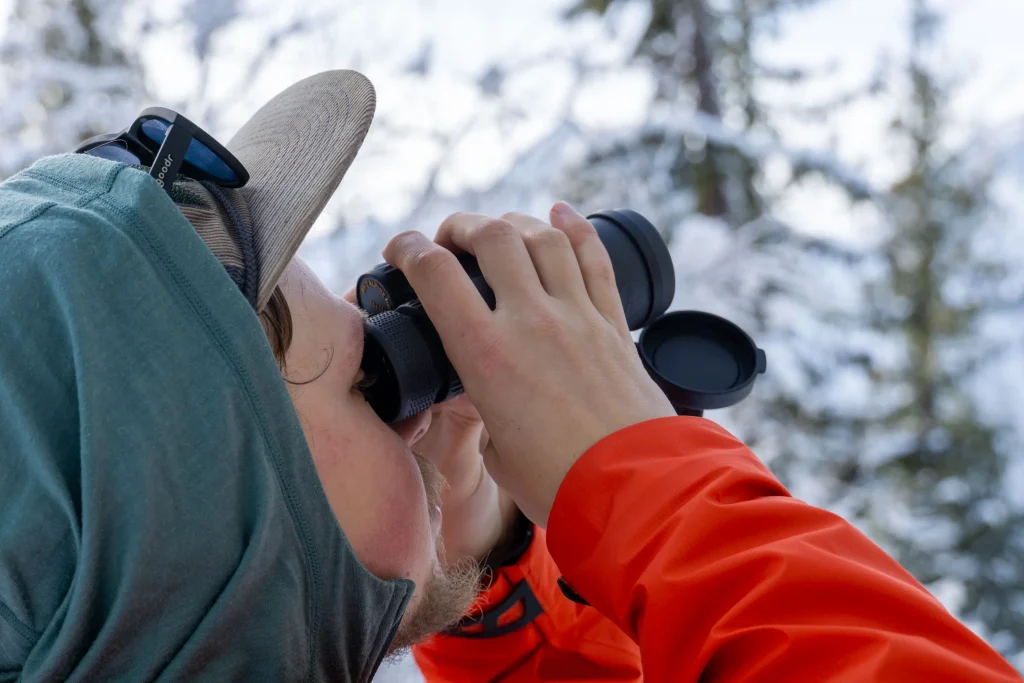
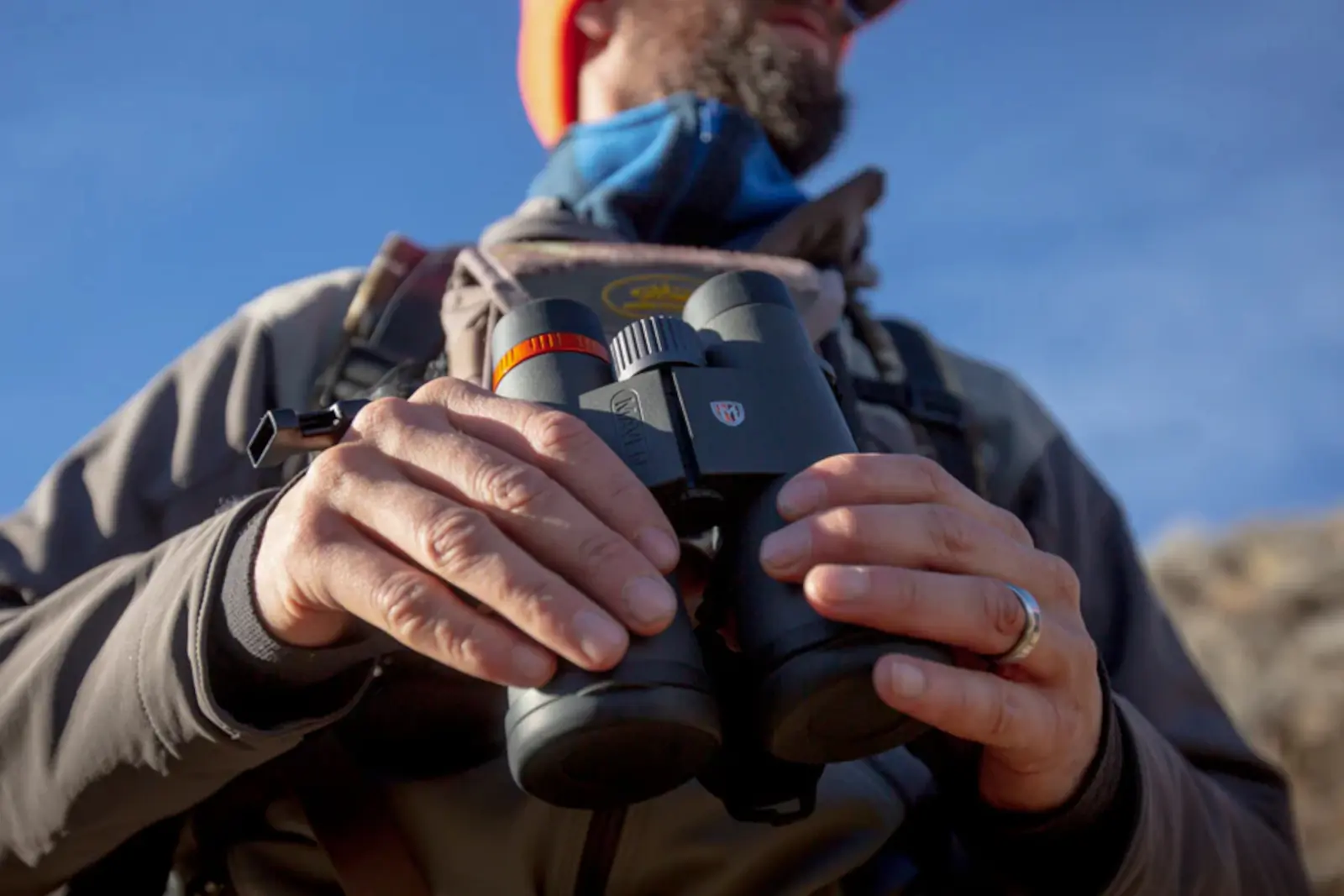
Hold binoculars firmlywith both hands to avoid slipping. Use the neck strap for extra support. Keep a steady grip when adjusting focus or zoom. This prevents accidental drops and damage.
Preventing falls is key. Avoid holding binoculars by just one side. Do not hang them loosely around your neck. Always place them in a secure spot when not in use.
For safe transportation, use a padded case. Keep binoculars inside the case during travel. Avoid carrying them in pockets or bags without protection. This prevents scratches and impacts.
Regular Maintenance
Check your binoculars regularlyfor any cracks or loose parts. Small damages can get worse if ignored. Clean lenses gently using a soft cloth to avoid scratches.
Make sure the focus wheel moves smoothly. Adjust the diopter to match your eyesight. Misaligned lenses can cause blurry images and eye strain.
Take binoculars to a professional for deep cleaning and repairs. Experts can fix alignment and internal issues you cannot see. Regular servicing keeps your binoculars working well for years.
Credit: gearjunkie.com
Choosing Quality Accessories
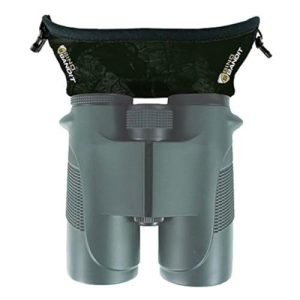
Lens covers and capsprotect binocular lenses from dust, scratches, and moisture. Always use them when not in use. They keep the glass clean and clear. Choose covers that fit snugly and are easy to remove.
Straps and harnesseshelp carry binoculars comfortably during long hikes. Look for padded straps that reduce neck strain. Harnesses spread the weight across your chest and back, keeping binoculars secure and stable.
Cleaning kitsinclude soft cloths, brushes, and lens cleaner. Use a microfiber cloth to wipe lenses gently. Avoid using rough materials that can scratch glass. A small brush removes dirt from hard-to-reach spots.
Frequently Asked Questions
How Often Should I Clean My Hiking Binoculars?
Clean your hiking binoculars after every use or when they appear dirty. Use a soft brush to remove dust and a microfiber cloth for lenses. Avoid harsh chemicals to protect lens coatings and maintain clear vision during your hikes.
What Is The Best Way To Store Hiking Binoculars?
Store hiking binoculars in a dry, cool place away from direct sunlight. Use a protective case to prevent dust and damage. Proper storage extends the life of your binoculars and keeps them ready for your next outdoor adventure.
How Do I Protect Binocular Lenses While Hiking?
Always use lens caps when not using your binoculars. Avoid touching lenses with fingers to prevent smudges. Carry a soft cleaning cloth and lens brush for quick cleaning on the trail to maintain clear vision.
Can Moisture Damage Hiking Binoculars?
Yes, moisture can cause fogging and damage internal components. Use waterproof or fog-proof binoculars if possible. Always dry your binoculars thoroughly after exposure to rain or humidity to prevent mold and corrosion.
Conclusion
Taking care of your hiking binoculars keeps them clear and ready. Clean lenses gently with a soft cloth. Store them in a dry, safe place after use. Check for any damage before each trip. Simple steps help your binoculars last longer.
Enjoy sharper views on every hike. Small efforts make a big difference in performance. Keep your gear in top shape for great adventures ahead.