Imagine you’re relying on your surveillance binoculars to catch every crucial detail, but then—fog appears on the lenses. It’s frustrating, right?
Fogging can blur your view and cause you to miss important moments. But don’t worry—there are simple, effective ways to keep your vision clear. You’ll discover easy tips and tricks to prevent fogging, so your binoculars perform perfectly whenever you need them.
Keep reading to make sure your watch never gets clouded by fog again.

Credit: www.amazon.com
Causes Of Fogging In Surveillance Binoculars
Fogginghappens when warm, moist air meets a cold surface inside the binoculars. This causes tiny water droplets to form on the lenses. The main causes of fogging include:
- Rapid temperature changes, like moving from cold to warm places.
- High humidity levels in the air.
- Breathing close to the lenses, which adds moisture.
- Poor sealing that lets air and moisture inside the binoculars.
Some binoculars have special coatings or are filled with dry gas to stop fog. But if air gets inside, fogging can still happen. Keeping binoculars dry and sealed helps reduce fogging risk.
Credit: www.pawnamerica.com
Selecting Anti-fog Binoculars
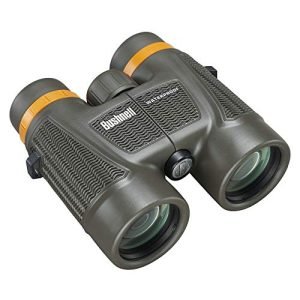
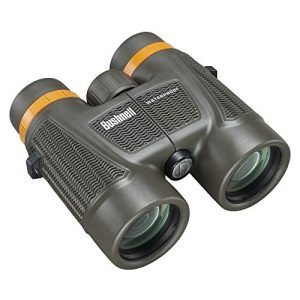
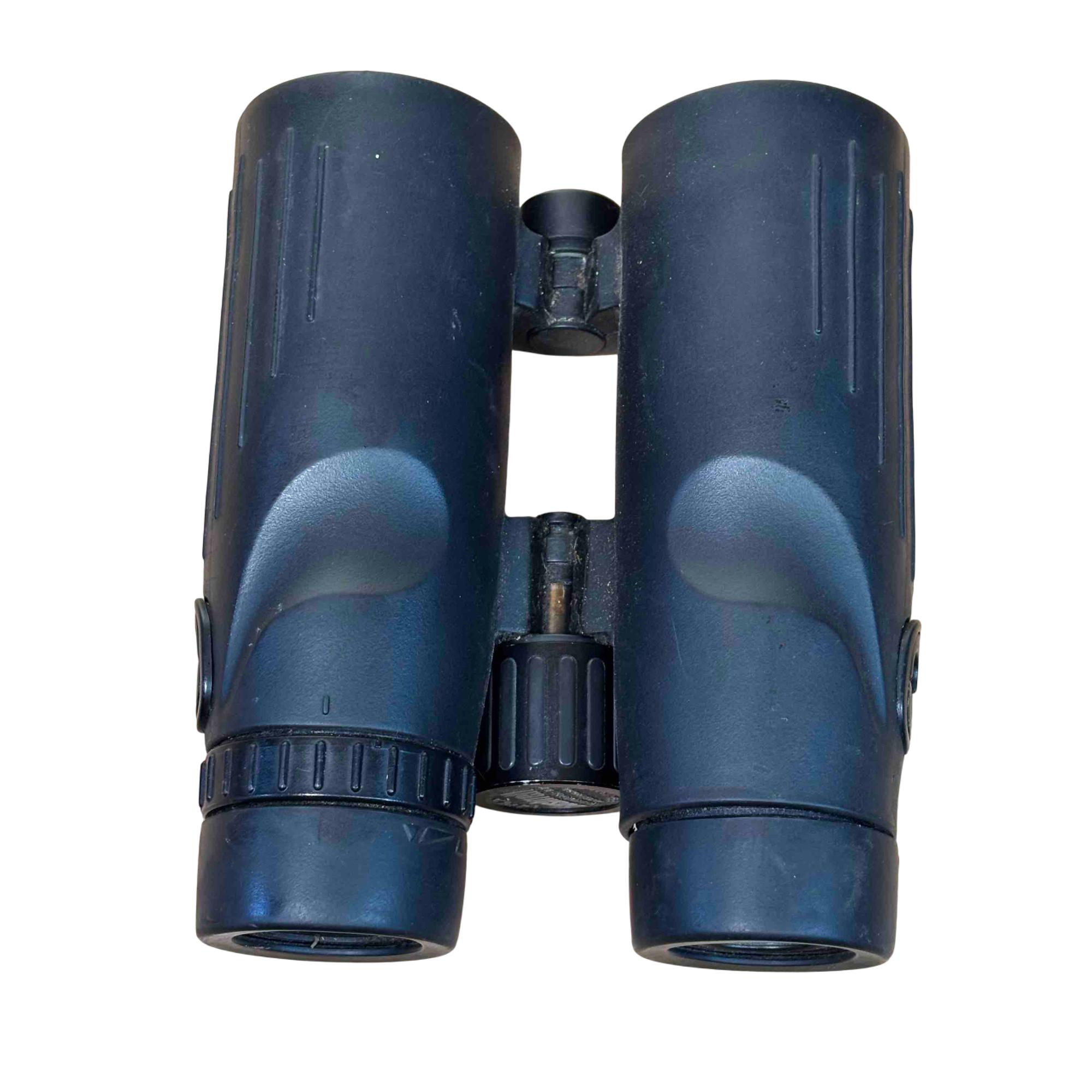
Anti-fog binocularshave special coatings and sealed bodies. These features keep moisture out and stop fog inside the lenses. Look for waterproofand fog-prooflabels when choosing binoculars. Nitrogen or argon gas filling inside lenses helps prevent fogging. Rubber armor makes binoculars easier to hold and protects them from bumps.
Some brands are known for quality anti-fog binoculars. They offer good durabilityand clear viewsin different weather. Check reviews and see which brand fits your needs and budget.
| Feature | Benefit |
|---|---|
| Waterproof and Fog-proof | Keeps lenses dry and clear |
| Gas-filled (Nitrogen/Argon) | Prevents inside fogging |
| Rubber Armor | Better grip and shock protection |
Environmental Factors
Weather conditionsgreatly affect fogging on binocular lenses. Cold air meeting warm air creates condensation. Rain and mist add extra moisture to the air. Wind can help clear fog by moving air around. Watching the weather forecast helps plan better usage times.
Humidity levelsplay a key role in fogging. High humidity means more water vapor in the air. This vapor can settle on lenses and cause fog. Using binoculars in dry air reduces fog chances. A dehumidifier or silica gel packs in the storage case also help keep lenses dry.
Proper Handling Techniques
Keep binoculars in a dry, cool place to avoid moisture build-up. Use a protective case that seals well against dust and humidity. Store them away from direct sunlight or heat sources to prevent lens damage.
- Always wipe lenses with a soft, clean cloth before storing.
- Avoid touching lenses with fingers to reduce smudges.
- Use silica gel packs inside the case to absorb moisture.
Hold binoculars steadily to prevent sudden temperature changes. Avoid breathing directly on the lenses. Use lens caps when not in use to protect from dust and fog.
Maintenance And Care
Use a soft, lint-free cloth to clean the lenses. Avoid using rough materials that can scratch them. For stubborn dirt, apply a small amount of lens cleaner or water. Gently wipe in a circular motion to prevent damage.
Regularly check the binoculars for any signs of moisture inside. Moisture can cause fogging and damage internal parts. Store binoculars in a dry place with silica gel packs to absorb humidity. Inspect seals and joints to ensure they are tight and undamaged.
Using Anti-fog Solutions
Commercial anti-fog products are easy to find and use. They come as sprays, wipes, or gels. These products create a thin, clear layer that stops moisture from building up. Applying them to the lenses prevents fogging during cold or humid weather. Follow the instructions carefully for the best results.
DIY solutions use household items to reduce fog. A common trick is rubbing a small amount of dish soap on the lenses. Let it dry without wiping off. This leaves a thin film that blocks fog. Another option is using a mix of water and vinegar to clean the lenses before use.
Expert Recommendations
Keeping binocular lenses dry and clean helps prevent fogging during use. Storing them in a sealed case with silica gel reduces moisture buildup. Using anti-fog sprays or wipes also clears the view quickly and easily.
User Experiences
Many users find that keeping binoculars in a dry, warm place helps prevent fogging. Using silica gel packs inside the binocular case absorbs moisture effectively. Some prefer wiping lenses gently with a soft cloth before use. Avoid breathing directly on lenses to stop condensation. Storing binoculars in sealed bags during humid weather also reduces fogging.
Professional Advice
| Tip | Explanation |
|---|---|
| Use Anti-Fog Coating | Many binoculars come with coatings that stop moisture buildup. |
| Keep Binoculars Warm | Cold lenses fog when exposed to warm air; warming prevents this. |
| Use Lens Caps | Protect lenses from sudden temperature changes and moisture. |
| Regular Maintenance | Clean lenses gently and check seals for damage to keep moisture out. |

Credit: www.amazon.com
Frequently Asked Questions
How Can I Prevent Fogging On Surveillance Binoculars?
To prevent fogging, keep binoculars in a sealed case when not in use. Use anti-fog sprays or wipes. Avoid sudden temperature changes and store them in a dry place.
Why Do Binoculars Fog Up During Surveillance?
Binoculars fog due to moisture condensation on lenses. This happens when warm, humid air meets cold lens surfaces. Proper ventilation and anti-fog coatings help reduce fogging.
Are There Special Coatings To Stop Binocular Fogging?
Yes, many binoculars have anti-fog coatings. These coatings repel moisture and reduce condensation. Choosing binoculars with this feature improves clarity in humid or cold conditions.
Can I Use Household Items To Stop Binocular Fog?
Yes, mild soap solutions or shaving cream can help. Apply a thin layer on lenses, then gently wipe off. These create a temporary barrier against fogging.
Conclusion
Fogging can ruin your view through surveillance binoculars. Keep lenses clean and dry for clear vision. Store binoculars in a cool, dry place after use. Use anti-fog sprays or wipes to stop moisture build-up. Avoid sudden temperature changes to prevent fog inside lenses.
Regular care helps binoculars last longer and work better. Clear vision means better surveillance and safer observations. Small steps make a big difference in fog prevention. Stay prepared and enjoy sharp, fog-free views every time.