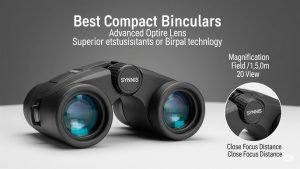
If you use surveillance binoculars, you know how important clear vision is. Dirty eyepieces can blur your view and make it hard to spot what matters.
But cleaning them the wrong way can cause scratches or damage. You want a simple, safe method that keeps your binoculars in top shape. You’ll discover easy steps to clean your eyepieces effectively. Keep reading to protect your gear and see the world with crystal-clear clarity every time.
Essential Tools For Cleaning
Cleaning solutionsfor eyepieces should be gentle. Use only lens-safe fluidsto avoid damage. Avoid harsh chemicals like alcohol or ammonia. These can ruin the coating on lenses. Small bottles of lens cleaner are best for easy use.
Microfiber clothsare perfect for wiping lenses. They trap dust without scratching. Use clean cloths only. Dirty cloths can cause scratches. Gently wipe in a circular motion for best results.
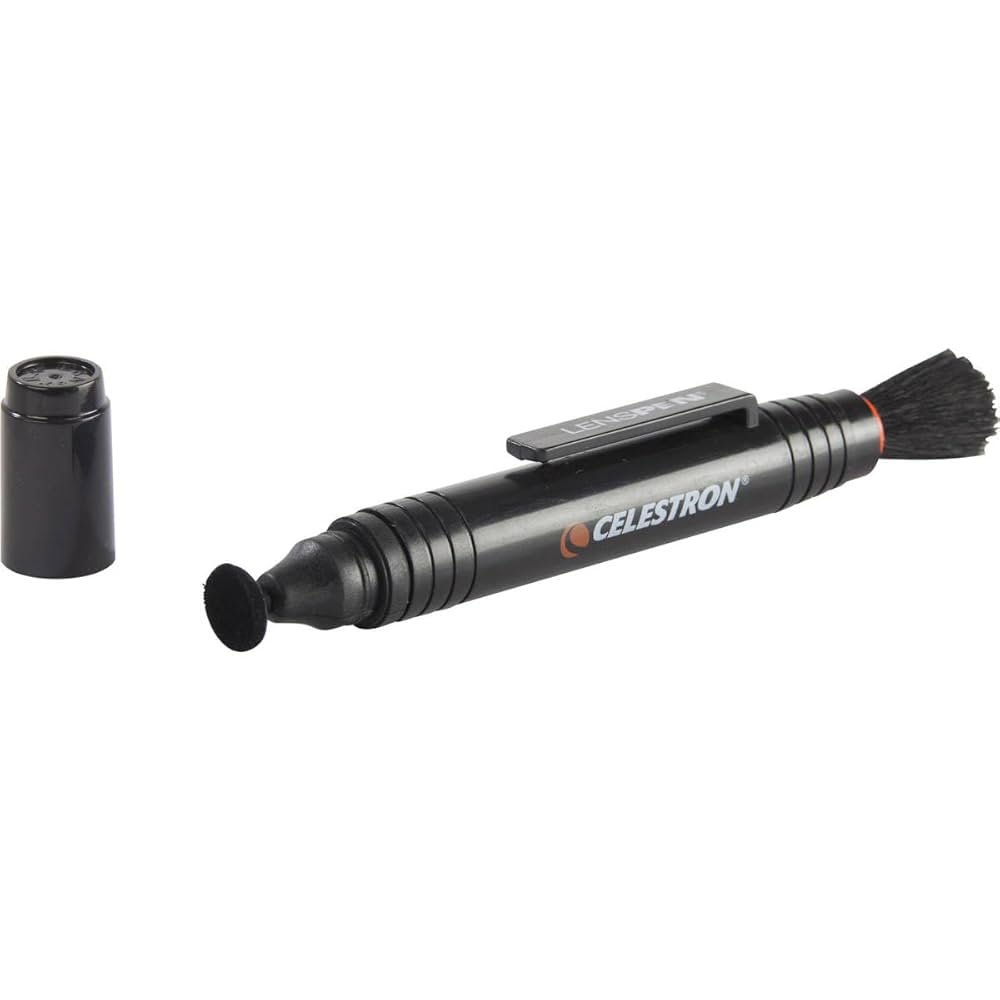
Lens brusheshelp remove dust from hard-to-reach places. Use a soft brush made for optics. Avoid using fingers or rough materials. They can leave oils or scratch the glass.

Credit: zarimex.eu
Preparing Your Binoculars
Start by holding your binoculars carefully on a clean surface. Twist or pull the eyepieces gently to remove them from the main body. Use a soft cloth to avoid scratching the glass parts. Keep the small pieces safe to avoid loss during cleaning.
Check the eyepieces closely under good light. Look for dust, dirt, or tiny debrison the lenses and inside the casing. Use a small brush or a blower to remove loose particles. Avoid touching the glass with your fingers to prevent smudges.
Step-by-step Cleaning Process
Start by applying a small amount of cleaning solutionmade for lenses. Avoid using household cleaners as they can damage the coating. Put the solution on a soft microfiber cloth, never directly on the eyepiece.
Gently wipe the eyepiece in a circular motion with the microfiber cloth. This removes smudges and oils without scratching the lens. Use light pressure to avoid damage.
Use a lens brushor a soft-bristled brush to clear away any dust or debris left behind. Brush softly around the edges and corners. This helps prevent scratches during cleaning.
Maintaining Eyepiece Clarity
Maintaining clear eyepieces is key for sharp images. Cleaning them often helps avoid dirt build-up. Use a soft, lint-free cloth to gently wipe the lenses. Avoid using rough materials that can scratch the glass.
Store binoculars in a dry, dust-free place. Keep them in a protective case to prevent damage. Avoid leaving them in hot or humid spots to protect lens coatings.
- Clean eyepieces with a microfiber cloth.
- Use lens cleaner made for optics only.
- Store binoculars in a padded case.
- Avoid touching lenses with fingers.
- Keep binoculars away from extreme heat and moisture.
Common Mistakes To Avoid
Using harsh chemicalscan damage the lens coatings. Avoid alcohol, ammonia, or bleach-based cleaners. These substances can leave scratches or remove protective layers. Use only clean water or lens cleanermade for optics.
Excessive pressure on lensesmay cause cracks or misalignment. Press gently with a soft cloth or lens tissue. Do not scrub hard or use rough materials. Light, circular motions work best to avoid damage.

Credit: www.amazon.com
Expert Tips For Longevity
Keep eyepieces clean to ensure clear vision and long life. Use a soft brush or air blower to remove dust gently. Avoid touching lenses with fingers to stop smudges. Use a microfiber cloth to wipe lenses softly in a circular motion. Always use cleaning solutions made for optics only.
Store binoculars in a dry, dust-free place after use. Use lens caps to protect eyepieces from scratches and dirt. Avoid exposing binoculars to extreme heat or moisture. Regularly check for dirt or damage to catch problems early.
Professional cleaning can remove tough dirt and fix small issues. Experts use special tools and solutions that keep lenses safe. Schedule maintenance if binoculars are used often or in harsh conditions. This care helps keep your binoculars working well for years.

Credit: www.keerthioverseas.com
Frequently Asked Questions
How Often Should I Clean Eyepieces On Surveillance Binoculars?
Clean eyepieces regularly to maintain clear vision. Ideally, clean them after every use or when you notice dirt or smudges. Frequent cleaning prevents buildup that can damage lenses over time.
What Materials Are Best For Cleaning Binocular Eyepieces?
Use a microfiber cloth, lens cleaning solution, and a soft brush. Avoid paper towels or rough fabrics as they can scratch lenses. These materials gently remove dirt without damaging coatings.
Can I Use Household Cleaners On Binocular Eyepieces?
No, avoid household cleaners as they may damage lens coatings. Use only products designed for optics, like lens cleaning solutions. This ensures safe and effective cleaning without harming your binoculars.
How Do I Safely Remove Dust From Eyepieces?
Use a soft brush or air blower to remove loose dust. Avoid touching lenses with fingers or rough cloths. This prevents scratching and keeps eyepieces in optimal condition.
Conclusion
Cleaning eyepieces on surveillance binoculars keeps your view clear and sharp. Use soft cloths and gentle cleaning solutions. Avoid harsh chemicals that might damage lenses. Regular cleaning helps maintain good performance over time. Keep dust and smudges away to see details better.
Small steps make a big difference in image quality. Take care of your equipment, and it will last longer. Clean eyepieces mean better surveillance and easier observation every time. Simple habits lead to clearer sight and more reliable use.