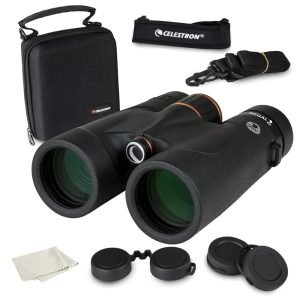
If you love camping, you know how important your binoculars are for spotting wildlife and enjoying the view. But have you ever wondered how to keep them working perfectly for years?
Taking care of your camping binoculars is easier than you think, and it can save you money and frustration. You’ll discover simple, practical tips to maintain your binoculars and get the best experience every time you use them. Ready to protect your gear and see clearer than ever?
Let’s dive in!
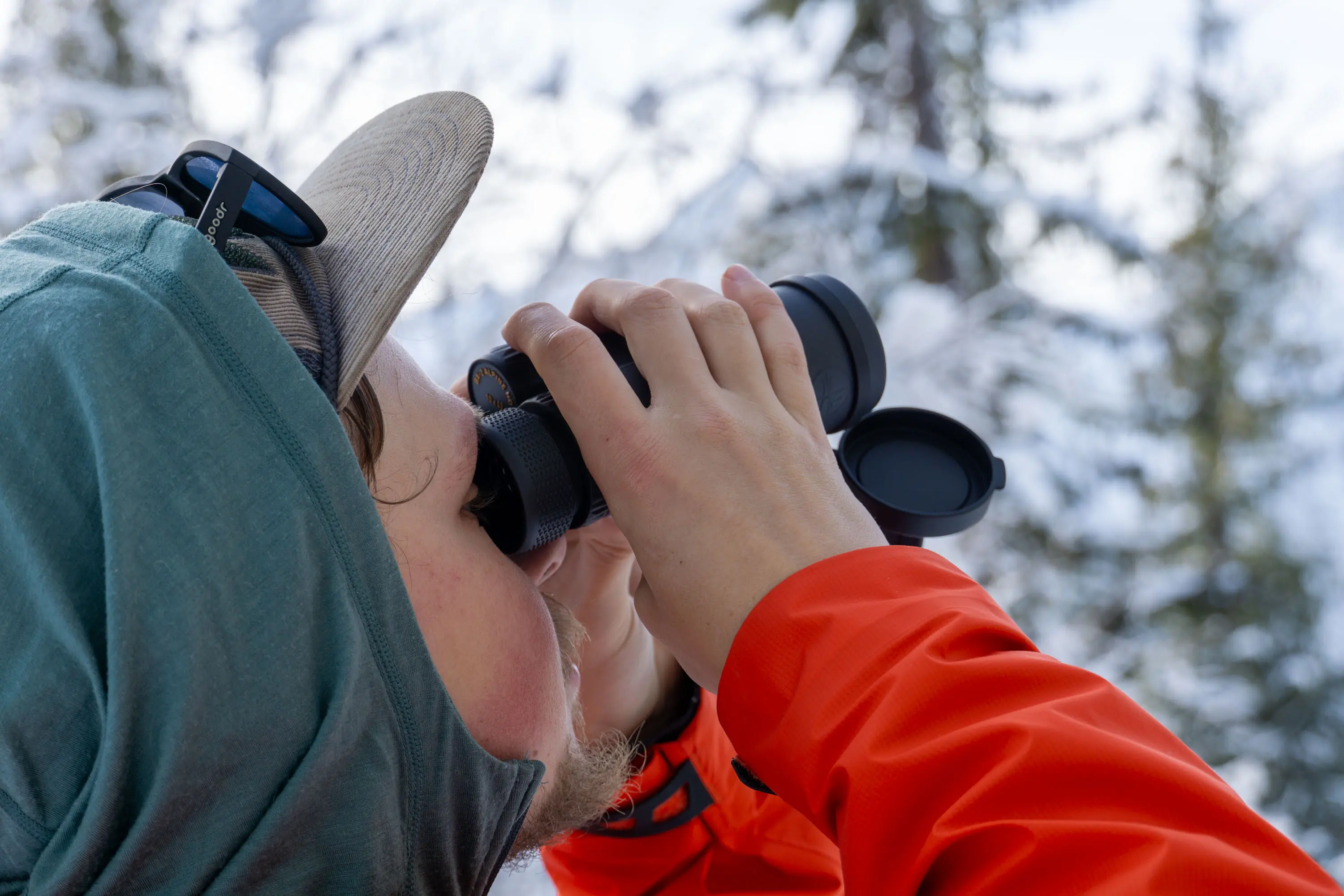
Credit: gearjunkie.com
Choosing The Right Binoculars
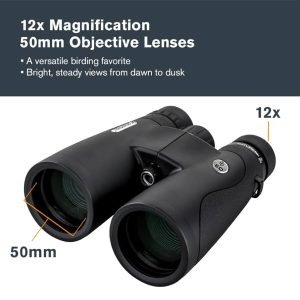
Binocular specificationstell you how well the binoculars will work. The magnificationshows how close objects appear. The objective lens sizecontrols how much light comes in. Bigger lenses mean brighter views, especially at night. The field of viewtells how wide you can see. A wider field helps in spotting moving animals.
Durabilityis key for camping binoculars. Choose models with rubber armorto protect from bumps and drops. Waterproof and fog-proof binoculars keep lenses clear in wet or cold weather. Look for scratch-resistant coatingsto protect the glass. Lightweight binoculars make carrying easier on long hikes.

Credit: www.amazon.com
Regular Cleaning Techniques
Gently blow off loose dust from the lenses using a soft brush or air blower. This avoids scratching the glass. Use a microfiber cloth to wipe the lenses in a circular motion. Avoid using paper towels or clothing, which can cause damage.
If dirt or smudges remain, dampen the microfiber cloth with a small amount of lens cleaner. Use only cleaners made for optics. Do not spray the cleaner directly on the lenses. Wipe gently until clean and clear.
- Remove dust with a soft brush or air blower.
- Use a microfiber cloth for wiping lenses.
- Apply lens cleaner to the cloth, not directly on lenses.
- Wipe lenses gently in circular motions.
Proper Storage Practices
Using a protective caseis key to keeping binoculars safe. These cases shield them from dust, dirt, and scratches. Soft cases offer light protection and easy carrying. Hard cases provide strong defense against impacts. Always store binoculars in their case after use.
Ideal storage conditions help binoculars last longer. Keep them in a cool, dry placeaway from direct sunlight. Avoid humid areas to prevent mold growth inside lenses. Store binoculars in a spot free from dust and moisture.
Handling Tips
Camping binoculars need careful handling to stay in good shape. Avoid dropping or bumping them. These actions can cause internal damageor misalignment of lenses.
Hold binoculars firmly with both hands. Use the neck strap to prevent accidental falls. Keep them away from rough surfaces or edges where they might slip.
- Store binoculars in a padded case when not in use.
- Place them on soft surfaces instead of hard or rocky ground.
- Clean lenses gently with a soft cloth to avoid scratches.
Safe handling means treating binoculars like fragile tools. This care helps keep the view clear and sharpfor many camping trips.
Routine Maintenance Checks
Check binoculars carefully for any cracks or scratches on lenses. Pay close attention to the body for dents or loose parts. Small damage can affect clarity and durability.
Test the focus knob by turning it gently. It should move smoothly without sticking or making noise. If it feels rough, dirt or wear may be inside.
- Clean the focus mechanism with a soft brush if dusty.
- Apply a tiny drop of lubricant if movement is stiff.
- Do not force the knob to avoid breaking gears.
Weather Considerations
Using binoculars in rain needs care to keep them safe. Cover them with a waterproof case. Wipe off water drops with a soft cloth. Avoid wiping lenses with dirty or rough materials to stop scratches.
Humidity and heat can cause fog inside binoculars. Store them in a dry place with silica gel packs. Avoid leaving them in hot cars or direct sunlight. Use a lens cloth to clean lenses gently and keep them clear.
Professional Servicing
Professional servicing is needed when binoculars have internal foggingor damaged lenses. Also, seek expert help if the focus mechanism feels stiffor loose. Avoid opening binoculars yourself as this may cause further damage.
Benefits of professional maintenance include:
- Thorough cleaningof all parts, including inside lenses.
- Fixing alignmentissues for clear vision.
- Replacing worn or broken components.
- Extending the lifespanof your binoculars.
- Ensuring the binoculars remain waterproofand dustproof.
Credit: gearjunkie.com
Frequently Asked Questions
How Often Should I Clean My Camping Binoculars?
Clean your camping binoculars after every use or at least once a month. Use a soft brush or cloth to remove dust. Avoid harsh chemicals to protect the lenses. Regular cleaning maintains clear vision and prolongs the binoculars’ life.
What Is The Best Way To Store Camping Binoculars?
Store binoculars in a protective case in a cool, dry place. Avoid direct sunlight and moisture to prevent damage. Keep lens caps on to protect the lenses. Proper storage prevents scratches and extends the binoculars’ lifespan.
Can I Use Water To Clean Binocular Lenses?
Use distilled water sparingly to clean lenses if necessary. Avoid tap water as it may contain minerals that damage coatings. Always dry lenses gently with a microfiber cloth after cleaning. Proper care ensures clear optics and lens longevity.
How Do I Protect Binocular Lenses From Scratches?
Always use lens caps when binoculars are not in use. Clean lenses with a microfiber cloth or lens pen only. Avoid touching lenses with fingers. These steps prevent scratches and maintain image clarity during camping trips.
Conclusion
Proper care keeps your camping binoculars working well for years. Clean lenses gently with a soft cloth. Store them in a dry place after each trip. Avoid dropping or banging them on hard surfaces. Regular checks help spot problems early.
Well-maintained binoculars improve your outdoor experience. Enjoy clear views of nature without hassle. Small habits make a big difference in durability. Stay prepared and protect your gear every time. Your binoculars will reward you with sharp, bright images on every adventure.