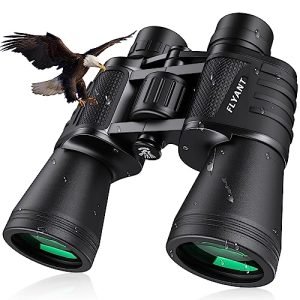
Are you tired of missing that perfect wildlife moment because your binoculars take too long to focus? Imagine spotting a rare bird or a curious deer instantly, with crystal-clear clarity, just when you need it most.
Focusing binoculars quickly isn’t as tricky as it seems, and once you master a few simple techniques, your outdoor adventures will change completely. You’ll discover easy tips that help you sharpen your view fast, so you never miss another incredible sight again.
Ready to turn your binoculars into your best wildlife companion? Let’s dive in!

Credit: m.facebook.com
Choosing The Right Binoculars
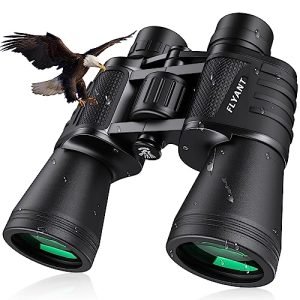
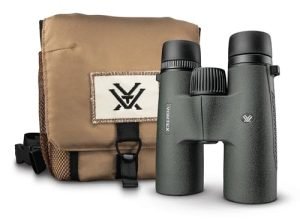
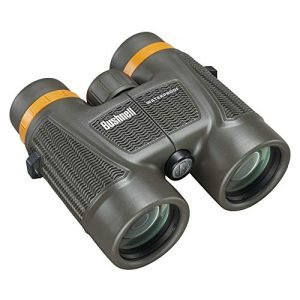
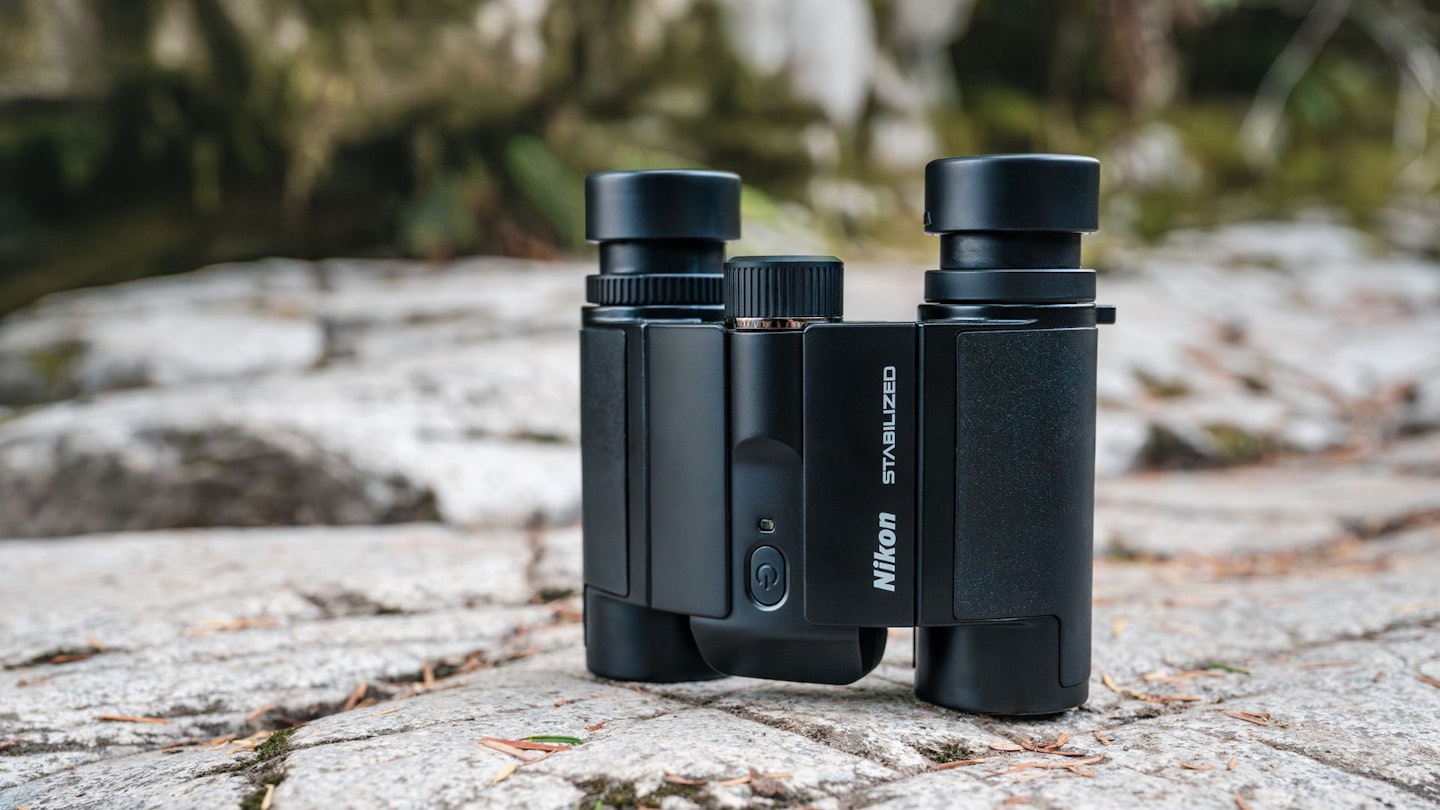
Choosing the right binoculars is key for fast wildlife focus. Magnificationaffects how close objects appear. A magnification of 8x to 10x works well for most wildlife watching. Too high magnification can make the image shaky and hard to focus.
Lens qualityis very important. Clear and bright lenses help you see details better. Look for binoculars with multi-coated lenses to reduce glare and improve light transmission.
Weight and size matter for comfort. Lightweight and compact binoculars are easier to hold steady. This helps in quick focusing and long use without fatigue.
Credit: www.birdwatching.co.uk
Setting Up Your Binoculars
Adjust the eye cupsto fit your eyes comfortably. Twist or fold them based on whether you use glasses. Proper eye cup position helps block stray light. This makes the image clearer and easier to focus.
Set the interpupillary distanceby moving the binocular barrels closer or farther apart. The goal is to see one clear, round image. This distance matches the space between your eyes. A correct setting prevents eye strain and improves focus speed.
Quick Focusing Techniques
The central focus wheelis key to quick binocular focus. Rotate it slowly while looking at a distant object. Stop turning when the image looks sharp and clear. This wheel adjusts both lenses at the same time, making it easy to find focus fast. Practice by focusing on different objects at various distances.
The diopter adjustmenthelps fix differences between your eyes. First, close your right eye and use the central focus wheel to focus with your left eye. Then close your left eye and turn the diopter ring until the image is clear for your right eye. This step ensures both eyes see sharply without extra effort.
Tips For Wildlife Observation
Wildlife tends to gather in specific habitats. Look for areas with water, trees, and open fields. These spots often have animals nearby. Knowing where animals live helps focus binoculars faster.
Holding binoculars steady is key. Use both hands and keep elbows close to your body. Rest your arms on a solid surface if possible. This reduces shaking and makes the view clearer.
Tracking animals that move quickly needs patience. Keep your eyes on the animal, not just the binoculars. Move the binoculars gently and smoothly. Small, slow adjustments help keep the animal in view.
Maintaining Binocular Performance
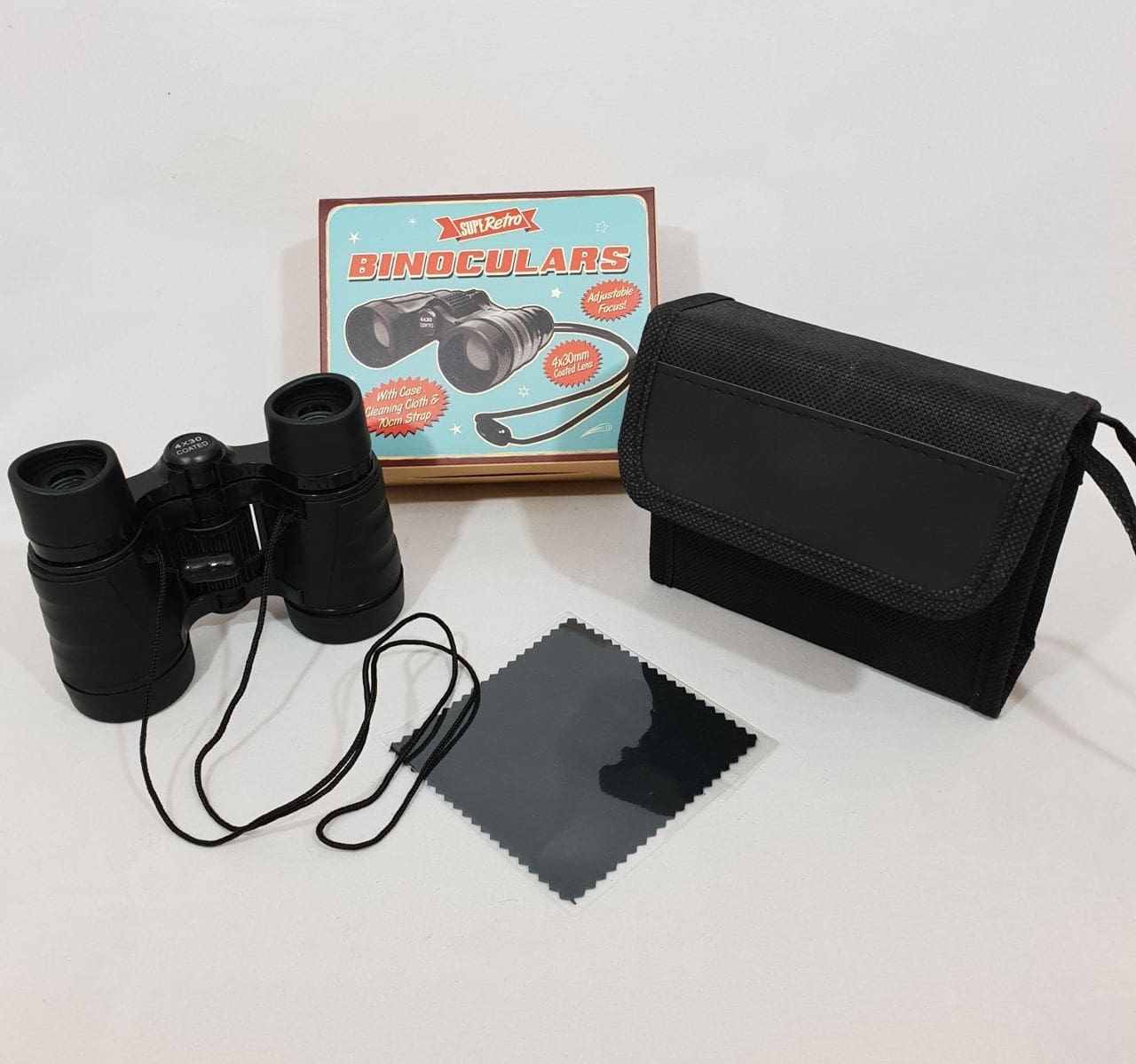
Cleaning the lenses keeps your binoculars clear and sharp. Use a soft cloth made for lenses. Avoid using paper towels or rough materials. Gently wipe the lenses in a circular motion. Dust and smudges can blur your view. Keep a small cleaning kit with you for quick fixes.
Regularly check your binoculars for any damage. Look for cracks or loose parts. Make sure the focus wheel moves smoothly. Damaged parts can hurt the image quality. Tighten screws if needed. Store binoculars in a padded case to avoid drops and scratches.
Credit: www.activitiestoshare.co.uk
Advanced Techniques For Experts
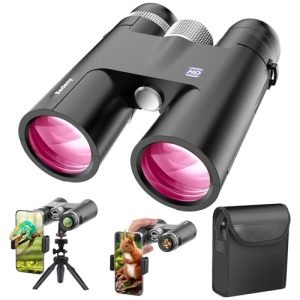
Using a tripodhelps keep binoculars steady. This reduces shaking and makes focusing easier. Place the tripod on a flat surface. Adjust the height so the binoculars are at eye level. Use the tripod’s knobs to fine-tune the angle. This setup helps when watching animals far away.
Rangefinders measure distance to objects. Knowing the exact distance can speed up focusing. Some binoculars have built-in rangefinders. Others work as separate devices. After measuring, adjust the binocular focus according to the distance. This method saves time and improves clarity.
Frequently Asked Questions
How Do I Quickly Focus Binoculars For Wildlife?
First, adjust the central focus wheel while looking at a distant object. Then, fine-tune the diopter ring for clarity in one eye. This two-step method ensures sharp images fast when observing wildlife.
What Is The Best Distance To Focus Binoculars?
Focus your binoculars on objects at least 20 yards away. This distance allows clear, sharp images for most wildlife viewing situations. Adjust as needed for closer or farther subjects to maintain focus.
How To Adjust Binoculars For Different Eye Distances?
Use the hinge to set the binoculars’ interpupillary distance. Align the eyepieces with the distance between your eyes. Proper alignment ensures a comfortable, full view without strain.
Why Is The Diopter Adjustment Important For Focusing?
The diopter compensates for differences in vision between your eyes. Adjusting it ensures both eyes see a clear, sharp image. This is crucial for detailed wildlife observation.
Conclusion
Focusing binoculars quickly helps you see wildlife clearly. Practice adjusting the focus ring gently and steadily. Start with a wide view, then zoom in on details. Keep both eyes open to avoid strain. Use natural light for better visibility. Stay patient; your eyes will adapt over time.
These simple steps improve your wildlife watching experience. Enjoy nature’s beauty without missing any moment.