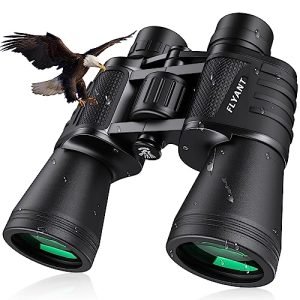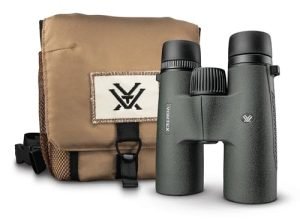
Are you tired of shaky views ruining your outdoor adventures? Attaching a tripod to your camping binoculars can change everything.
It gives you steady, clear images without the strain of holding them for long periods. But if you’re unsure how to do it, don’t worry—you’re in the right place. This guide will show you simple steps to connect your binoculars to a tripod quickly and securely.
By the end, you’ll enjoy sharper, more comfortable viewing every time you head outside. Keep reading to discover how easy it is to upgrade your camping experience!
Choosing The Right Tripod
Choosing the right tripod depends on stabilityand weight. Lightweight tripods are easy to carry but might not hold binoculars steady. Heavier tripods provide better stability but can be bulky. Look for tripods with adjustable legsfor uneven ground.
- Mini tripods:Small and portable, good for light binoculars.
- Standard tripods:Taller with better height options, ideal for serious use.
- Flexible tripods:Legs bend to attach to trees or poles.
Compatibility with binoculars is key. Check if the binoculars have a tripod adapter thread. Most camping binoculars use a standard 1/4-inch screw mount. If not, an adapter might be needed. The tripod head should allow easy rotationand tiltingfor smooth viewing.
Gathering Necessary Tools
Gathering the right toolsis key to attaching a tripod to camping binoculars. You need a tripod adapterthat fits your binoculars. Some binoculars have a built-in tripod mount, but others require an adapter.
- Tripod adapterfor binoculars
- Screwdriverif screws are involved
- Tripod with a standard screw mount
Prepare your workspace by choosing a flat and clean surface. This keeps your equipment safe and easy to handle. Good lighting helps you see small parts clearly. Keep all tools and parts close to avoid losing them.
Securing The Adapter
Adapters fit between the binoculars and tripod. The correct adapter matches the binocular’s screw size. Most binoculars use a 1/4-inch screw, but some need a special adapter.
Check the binocular’s manual or look for a tripod socket. It’s usually a small hole under the binoculars. The adapter screws tightly into this socket to hold the binoculars firm.
Attach the adapter by turning it clockwise into the socket. Make sure it is snug but not too tight to avoid damage. Once attached, the adapter lets you mount the binoculars on the tripod easily.

Credit: www.fleuristesavard.com
Mounting Binoculars On Tripod
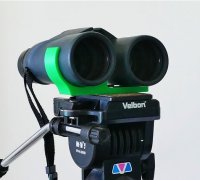
Attach the binoculars to the tripod using the tripod adapter or screw mount. Align the mounting hole on the binoculars with the tripod screw. Turn the screw gently until the binoculars are secure. Avoid overtightening to protect the threads.
Balance is key for clear views. Place the binoculars so their weight is centered over the tripod. This prevents tipping or shaking. Adjust the tripod legs to keep everything steady on uneven ground.
- Check that the binoculars do not tilt forward or backward.
- Make small adjustments to the tripod head for smooth movement.
- Use a tripod with a sturdy base to avoid wobbling.
Adjusting For Optimal Viewing
Adjust the tripod height to match your eye level. This helps avoid neck strain and gives a clear view. Use the tripod legs to raise or lower the binoculars smoothly.
Change the angle by tilting the binocular mount. This helps aim at different heights without moving the entire tripod. Lock the angle in place once it feels steady.
- Look through the binoculars and slowly turn the focus wheel.
- Stop when the image becomes sharp and clear.
- Fine-tune the focus for objects far and near.
- Make small adjustments for the best view.
Testing And Troubleshooting
Check the tripod mounton the binoculars for a snug fit. Make sure the screwis tight but not over-tightened. The binoculars should not wobble once attached.
Test the stabilityby gently shaking the tripod. If it moves too much, try these fixes:
- Tighten the tripod screw more carefully.
- Use a small rubber washer for extra grip.
- Ensure the tripod legs are fully spread and locked.
- Check if the tripod head is damaged or loose.
| Problem | Cause | Solution |
|---|---|---|
| Binoculars wobble | Loose screw or mount | Tighten screw or add washer |
| Tripod collapses | Legs not locked | Lock tripod legs firmly |
| Binoculars tilt forward | Wrong mount position | Adjust mount to center balance |
Tips For Enhanced Experience
Keep the binoculars and tripod clean to avoid dirt buildup. Wipe lenses gently with a soft cloth to protect them. Store equipment in a dry, safe place to prevent damage. Check tripod screws often to ensure stability and safety.
Use a comfortable neck strap to reduce hand strain during long viewing sessions. Adjust the tripod height for a better line of sight. Position the binoculars to suit your eye level. Take breaks to avoid eye fatigue and enjoy the view longer.
Credit: www.yeggi.com

Credit: www.instagram.com
Frequently Asked Questions
How Do I Attach A Tripod To Camping Binoculars?
To attach a tripod, locate the tripod adapter socket on your binoculars. Screw the tripod’s mounting plate into this socket securely. Ensure the connection is tight to avoid wobbling during use.
What Tripod Types Work Best With Camping Binoculars?
Compact, lightweight tripods with adjustable legs are ideal for camping binoculars. They provide stability without adding heavy bulk, perfect for outdoor use and easy transport.
Can I Use A Tripod Adapter For All Binoculars?
Most binoculars with a tripod socket support standard tripod adapters. However, check compatibility with your model. Some compact binoculars may require a specific adapter for a proper fit.
Why Should I Use A Tripod With Camping Binoculars?
Using a tripod stabilizes your view, reducing hand shake and fatigue. It improves clarity and comfort during prolonged observation in outdoor settings.
Conclusion
Attaching a tripod to camping binoculars makes viewing steady and clear. It helps reduce hand shake and keeps the image sharp. Use the tripod adapter or screw mount for a secure fit. Adjust the tripod height for comfort and better angles.
This simple step improves your outdoor experience a lot. Enjoy longer, more stable viewing sessions without tiring your hands. Keep your gear steady, and see nature in detail. Practice attaching the tripod a few times for quick setup later. You will appreciate the stability during your next camping trip.