Are you ready to take your camping experience to the next level? Imagine spotting a beautiful bird perched high in a tree and knowing exactly what it is.
Using binoculars for bird identification during your camping trips can make this possible—and easier than you think. This guide will show you simple, effective ways to use binoculars to get clear views and identify birds like a pro. Keep reading, and soon you’ll turn every bird sighting into an exciting discovery.

Credit: www.facebook.com
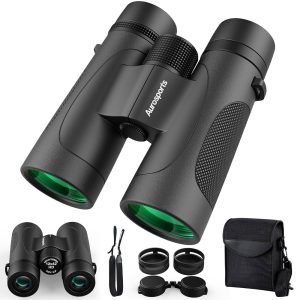
Choosing The Right Binoculars
Magnificationshows how close the bird appears. A 7x or 8x magnification works well for bird watching. Larger magnification makes images shaky.
Lens sizecontrols how much light enters the binoculars. Bigger lenses let in more light. This helps in low light or dawn.
The field of viewtells how wide the image is. A wide view helps to find birds fast and follow their movement. Look for binoculars with a field of view around 330 feet or more at 1000 yards.
Weightmatters for comfort. Heavy binoculars tire your arms quickly. Choose lightweight models for long use.
Look for binoculars with comfortable gripsand rubber coatings. They stop slipping and feel nice in hands.
Preparing For Bird Watching
Knowing the common birds helps to identify them quickly. Birds like sparrows, robins, and finches are often seen during camping. Learning their colors, shapes, and sounds is very useful.
Early morning and late afternoon are best times to watch birds. Birds are active and easy to spot during these hours. Avoid bright midday sun, as birds hide in shade.
Choose a quiet spot with a clear view of trees or water. Sit still and avoid sudden moves. Use bushes or rocks for cover. Keep binoculars ready and focus slowly on birds.
Techniques For Using Binoculars
Focus the binoculars slowly on the bird’s body. Use the center of the lenses for a sharp image. Adjust the focus ring until the bird looks clear and sharp. Keep both eyes open to avoid strain.
Birds move fast. To track them, hold the binoculars steady. Move your head, not just your hands, to follow the bird. Practice smooth, slow movements to keep the bird in view.
| Lighting Condition | Adjustment Tips |
|---|---|
| Bright Sunlight | Use a sunshade or adjust the angle to reduce glare. |
| Low Light | Open the binoculars wider to let in more light. |
| Shade | Adjust focus slowly to maintain a clear image. |
Enhancing Bird Identification Skills
Field guidesare very helpful for bird watchers. They show pictures and facts about birds. Carry a small guidebook during camping. Match the birds you see with pictures in the guide. This helps in quick and easy bird identification.
Keep a notebook or use a phone app for recording observations. Write down the bird’s color, size, and behavior. Note the place and time you saw the bird. These notes help remember and compare birds later.
Learning bird callsimproves spotting skills. Listen carefully to different bird sounds. Try to copy or record the calls. Bird calls give clues about the bird’s identity even if you cannot see them clearly.
Safety Tips While Bird Watching
Check the weather forecastbefore heading out. Rain or strong wind can make bird watching unsafe. Dress in layers to stay warm or cool as needed. Carry a waterproof jacket just in case. Protect yourself from sunburn by wearing a hat and sunscreen.
Keep a safe distance from birds and their nests. Avoid loud noises that can scare them away. Do not try to touch or feed wild birds. Respect their space to avoid causing stress or harm.
Stay alert to your surroundings. Watch for uneven ground or obstacles to avoid tripping. Be careful near water bodies or cliffs. Carry a whistle or phone for emergencies. Always let someone know your location before you start bird watching.

Credit: www.amazon.com
Maintaining Your Binoculars
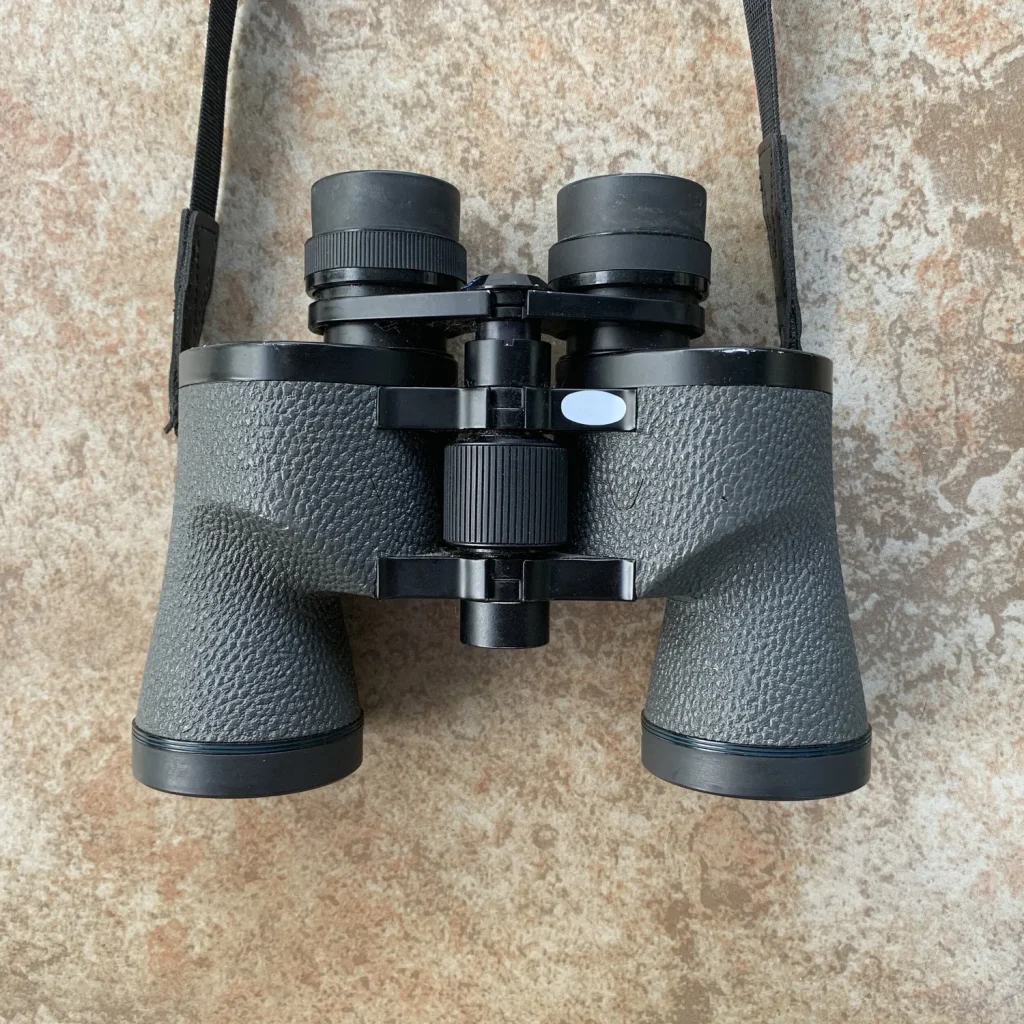
Keep binocular lenses clean using a soft cloth or lens brush. Avoid using rough materials that can scratch lenses. Use lens cleaning solution made for optics only. Store binoculars in a dry, cool place to prevent moisture damage. Use the carrying case to protect them from dust and bumps.
Check for fog inside lenses; it means moisture got in. Wipe eyepieces gently if dirt or smudges appear. Tighten loose screws carefully to keep parts steady. If focus feels stuck, apply light pressure while adjusting focus wheel.
| Issue | Cause | Fix |
|---|---|---|
| Foggy lenses | Moisture inside | Keep dry; use silica gel packs in case |
| Blurry view | Dirty lenses | Clean with lens cloth and solution |
| Loose parts | Wear and tear | Tighten screws gently |

Credit: www.amazon.com
Frequently Asked Questions
How Do I Choose The Best Binoculars For Bird Watching?
Choose binoculars with 8x to 10x magnification for clear views. Look for wide field of view and good light-gathering ability. Waterproof and lightweight models enhance comfort during camping.
What Is The Correct Way To Hold Binoculars?
Hold binoculars steady with both hands, elbows close to your body. Rest your arms on a stable surface if possible. This reduces shaking and improves image clarity.
How Can I Identify Birds Using Binoculars Effectively?
Focus on key bird features like color, size, and shape. Use slow, deliberate movements to avoid startling birds. Note unique markings and behaviors for accurate identification.
When Is The Best Time To Use Binoculars For Bird Identification?
Early mornings and late afternoons offer the best bird activity. Birds are more visible in natural light during these times. Avoid harsh midday sun which can cause glare.
Conclusion
Using binoculars helps you see birds clearly while camping. Focus carefully and keep steady hands for the best view. Take your time to notice colors, shapes, and movements. Practice often to improve your bird identification skills. Enjoy nature quietly to avoid scaring birds away.
Binoculars make bird watching more fun and rewarding. Keep exploring and learning about different bird species. Each trip brings new chances to spot unique birds. Happy bird watching on your camping adventures!