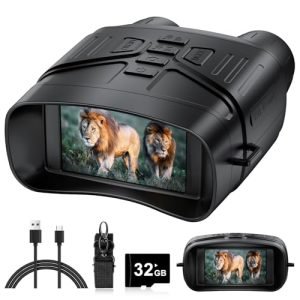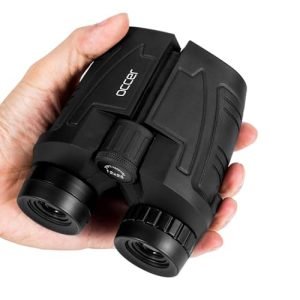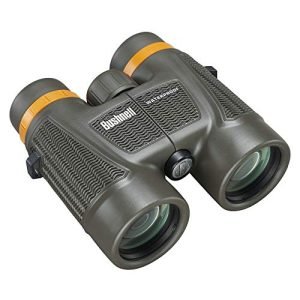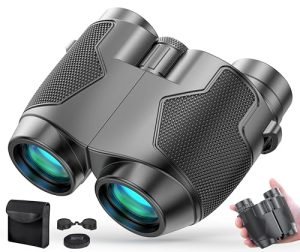
Have you ever been in the middle of an important observation only to have your surveillance binoculars fog up? It’s frustrating, isn’t it?
Fogging can blur your view and ruin critical moments when clarity matters most. But what if you could stop fog before it even starts? You’ll discover simple, practical tips to keep your binoculars clear no matter the weather. By the end, you’ll have the confidence to rely on your gear in any condition.
Keep reading to learn how to avoid fogging and never miss a detail again.
Causes Of Fogging In Binoculars
Fogging in surveillance binoculars happens when moisturegets trapped inside or on the lenses. This occurs due to temperature changes, such as moving from cold to warm places quickly. Humidityalso plays a big role in creating fog. When warm, moist air hits the cooler lens surface, tiny water droplets form, causing fog.
Another cause is poor sealingin binoculars. If the device is not airtight, moisture can enter and stay inside. Some binoculars lack anti-fog coatingsor dry nitrogen filling, which help prevent fogging.
- Rapid temperature shifts create condensation
- High humidity increases moisture inside lenses
- Weak seals let moisture enter the binoculars
- Missing anti-fog coatings allow water droplets
- Not using dry nitrogen filling causes internal fog
Credit: www.pawnamerica.com
Impact Of Weather Conditions
Weather conditionsgreatly affect fogging in surveillance binoculars. Cold air meeting warm lenses causes moisture to form. This moisture creates fog that blocks vision.
High humidity means more water vapor in the air. This vapor easily sticks to binocular lenses. Rain and dew also add extra moisture.
- Rapid temperature changes increase fogging risk.
- Wind can help dry lenses but may carry dust.
- Cloudy or rainy days often cause more fog.
Protect binoculars by keeping them dry and warm. Use lens covers or store in airtight cases when not in use. Avoid sudden temperature shifts.
Choosing The Right Binoculars
Choose binoculars with waterproof featuresto prevent fogging. Water inside can cause lenses to fog up quickly. Waterproof binoculars use seals to keep moisture out.
Look for models with fog-resistant coatings. These coatings reduce fogging on lenses by stopping water vapor buildup. They help keep clear views in cold or humid places.
| Feature | Benefit |
|---|---|
| Waterproof Seals | Blocks water entry to avoid internal fogging |
| Fog-Resistant Coatings | Stops water vapor from forming fog on lenses |
Proper Storage Techniques
Store binoculars in a dry, cool place to prevent moisture buildup. Use silica gel packs to absorb humidity and keep lenses clear. Always close the lens caps to protect from dust and fog.
Temperature Regulation
Keep binoculars at a steady room temperature. Sudden temperature changes cause fogging. Store them in a cool, dry place. Avoid leaving binoculars in hot cars or cold outdoors. Let binoculars warm up slowly if taken from cold to warm places. This helps prevent moisture build-up inside lenses.
Moisture Control
Use silica gel packs in the binocular case to absorb moisture. Replace these packs regularly to keep them effective. Avoid storing binoculars in damp areas like basements. Wipe lenses and body with a dry cloth before storing. Proper drying reduces fog and mold risk.
Effective Cleaning Practices
Use soft microfiber clothsto clean binocular lenses. Avoid rough materials that can scratch the glass. Lens cleaning solution or distilled water helps remove dirt gently. Do not use household cleaners, which may damage coatings.
Keep cleaning tools clean and dry. Replace cloths if they become dirty. Store binoculars in a dry case to prevent dust and moisture buildup.
- Check lenses regularly for dust and smudges.
- Wipe lenses softly after each use.
- Keep binoculars in a cool, dry place.
- Avoid touching lenses with fingers.
- Inspect seals and moving parts for damage.
Routine maintenance prevents foggingand extends binocular life. Clean and dry binoculars before storing. Let moisture evaporate fully to avoid fog inside lenses.

Credit: www.amazon.com
Using Anti-fog Solutions
Anti-fog sprays and wipescreate a thin layer on lenses to stop fog. They are easy to use and work fast. Just spray or wipe on the lens before you use the binoculars. These products reduce moisture buildup and keep your view clear. Reapply often for best results.
DIY remediescan also help prevent fogging. A small drop of liquid soap spread thinly on the lens works well. Let it dry, then gently polish with a soft cloth. Another option is using a mixture of water and vinegar. Apply with a cloth and let it dry. These simple tricks can keep your lenses clear without chemicals.
Real-world Application
Field testing helps check binoculars under real conditions. Users share their experiences about fogging in different climates. Many found that anti-fog coatingsworked well in cool, humid weather.
Others recommend storing binoculars in a dry place before use. Some users carry silica gel packsto absorb moisture. Regular cleaning of lenses also helps reduce fogging.
| User Experience | Effectiveness | Notes |
|---|---|---|
| Anti-fog coatings | High | Works well in humid and cold weather |
| Silica gel packs | Medium | Helps absorb moisture inside the case |
| Dry storage | High | Prevents moisture build-up before use |
| Lens cleaning | Medium | Reduces surface fog on lenses |

Credit: www.amazon.com
Frequently Asked Questions
What Causes Fogging In Surveillance Binoculars?
Fogging occurs when moisture condenses on the lenses due to temperature changes. It happens when warm, humid air meets cold lens surfaces. This condensation obscures vision and affects image clarity in surveillance binoculars.
How Can I Prevent Fogging In Binocular Lenses?
Prevent fogging by using anti-fog sprays or wipes on lenses. Store binoculars in a dry, temperature-controlled case. Avoid sudden temperature changes and use silica gel packs to absorb moisture inside the case.
Are Waterproof Binoculars Fog-proof?
Waterproof binoculars resist water but are not always fog-proof. Fog-proof models have nitrogen or argon gas inside to prevent internal fogging. Check product specs to ensure binoculars are both waterproof and fog-proof.
Can Lens Coatings Reduce Fogging?
Yes, special anti-fog lens coatings help minimize fog buildup. These coatings repel moisture and improve lens clarity. Using coated lenses along with proper care greatly reduces fogging in surveillance binoculars.
Conclusion
Preventing fog in surveillance binoculars keeps your view clear and sharp. Use anti-fog sprays or wipes before you start. Store binoculars in a dry place after use. Avoid sudden temperature changes that cause moisture inside lenses. Regular cleaning helps maintain good visibility.
These simple steps protect your gear and improve your experience. Clear vision makes spotting details easier and more reliable. Keep these tips in mind for better outdoor observation every time.