When every second counts in a search and rescue mission, having the right tools can make all the difference. Tactical binoculars are one of those essential tools that can help you spot details from far away, giving you a clear advantage in critical situations.
But how do you use them effectively to improve your chances of success? This guide will walk you through simple, practical steps to get the most out of your tactical binoculars. By the end, you’ll feel confident and ready to use your gear like a pro when lives depend on it.
Keep reading to learn how to sharpen your vision and boost your rescue skills.
Choosing The Right Tactical Binoculars
Magnificationhelps you see distant objects clearly. Too much magnification can make images shaky. Choose binoculars with 5x to 10x magnificationfor a good balance. A wide field of viewlets you see more area. This is helpful to scan large places quickly.
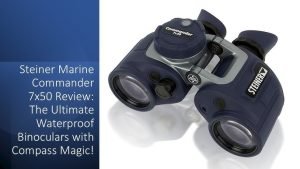
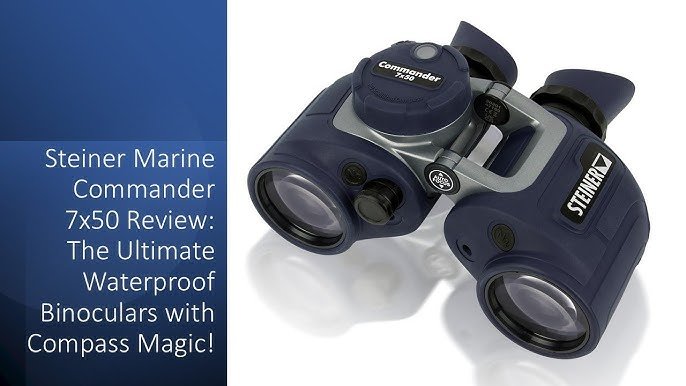
Durabilityis key. Binoculars must handle rough use and impacts. Weather resistanceprotects against rain, dust, and fog. Look for waterproof and fog-proofmodels. This keeps lenses clear in tough weather.
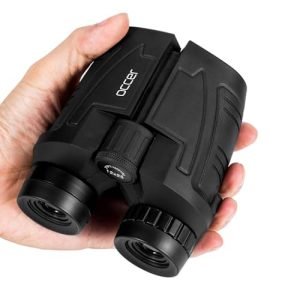
Size and portabilitymatter for long missions. Compact binoculars are easier to carry. Lightweight models reduce fatigue. Yet, they should still be strong and reliable. Find a pair that fits your needs and is easy to hold for long times.

Credit: www.youtube.com
Mastering Binocular Features
Lens coatingsreduce glare and increase light passing through lenses. This makes images brighter and clearer. Some coatings also protect lenses from scratches and dirt. Look for binoculars with multi-coated lenses for better clarity.
Adjusting the focusis key to seeing sharp images. Use the central focus wheel to set the focus for both eyes. The diopteradjusts for differences between your eyes. This helps get a clear view without strain.
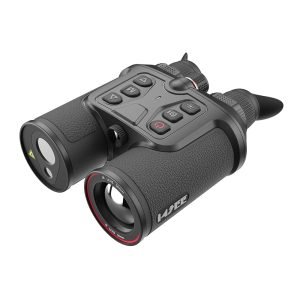
Rangefinding features help estimate distances quickly. Many tactical binoculars have built-in rangefinders or reticles for this. Use these tools to judge how far away objects are. This aids in planning and safety during search and rescue.
Preparing For Search And Rescue Missions
Check all equipment carefully before the mission. Ensure binocular lensesare clean and free of scratches. Verify the focus mechanismworks smoothly. Confirm the straps and mountsare secure for easy handling. Carry extra batteries or accessories if needed.
Study maps and learn about the terrain. Know the key landmarks and possible hazards. This helps in planning the search route. Use digital or paper maps for better understanding. Practice reading the terrain features through binoculars.
- Carry radios or walkie-talkies for team contact
- Use GPS devices to share exact locations
- Set clear communication signals and codes
- Check all communication tools before leaving
- Coordinate with the team for smooth operations
Effective Search Techniques
Use systematic scanning patternsto cover large areas efficiently. Move the binoculars slowly, sweeping side to side or up and down. Employ a grid systemby dividing the search area into smaller sections. This helps avoid missing spots and keeps the search organized.
Identify clear landmarkslike hills, trees, or buildings to mark your position. Use these reference pointsto guide your search and communicate locations to others. Landmarks help track progress and make rescues faster.
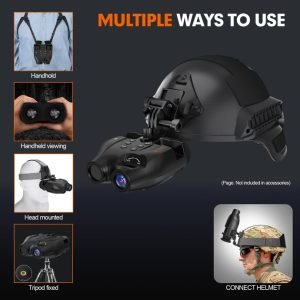
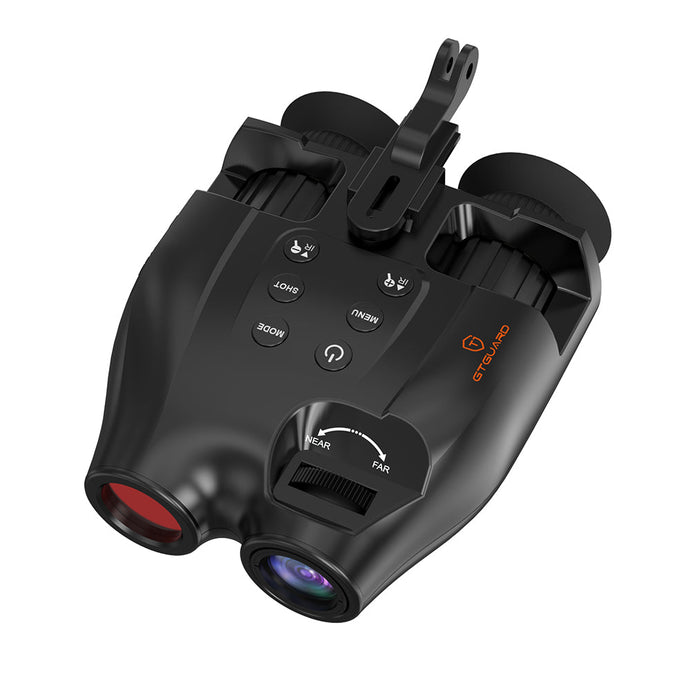
For night searches, use binoculars with built-in night visionor infrared. Scan slowly, focusing on areas where people might be. Reduce movement to avoid missing faint signals or lights. Keep your eyes adjusted to the dark for better spotting.
Enhancing Situational Awareness
Tactical binocularshelp spot small movements from far away. They reveal changes in the environment that might go unseen. This can include footprints, broken branches, or other signs of life. Using binoculars, rescuers can focus on these details quickly and clearly.
Weather plays a big role in search and rescue. Binoculars allow users to check fog, rain, or dust before moving. This helps to plan safer routes and avoid dangers. Clear vision aids in understanding the terrain and obstacles.
- Communicate using simple hand signals visible through binoculars.
- Use binoculars to watch team members’ positions and actions.
- Help teammates by signaling threats or areas to explore.
- Keep everyone aware and connected, even at a distance.

Credit: gtguardhunt.com
Safety Considerations
Managing fatigue and strainis key during long search and rescue missions. Take short breaks to rest your eyes. Adjust the binoculars to fit your face well. Avoid holding them too tight; this reduces muscle tension. Use neck straps to ease weight and prevent arm fatigue.
Protecting against environmental hazardsensures safety. Wear protective clothing against sun, rain, or cold. Use insect repellent to avoid bites. Keep binocular lenses clean from dust and moisture for clear vision. Stay aware of terrain and weather changes.
Emergency protocols and proceduresmust be clear and followed. Carry a communication device for help. Know the signals for distress and safe zones. Plan exit routes before starting. Always inform others about your location and expected return time.
Post-mission Review And Equipment Care
After each mission, gather all team members for a debriefingsession. Talk about what worked well and what needs improvement. Collect feedbackfrom everyone to improve future searches. Open communication helps the team learn and grow.
Clean tactical binoculars carefully using a soft cloth. Remove dust and dirt from lenses without scratching them. Store binoculars in a dry, safe place to protect from damage. Regular maintenancekeeps the equipment ready for the next mission.
| Task | Details |
|---|---|
| Debriefing | Discuss mission results and collect team feedback |
| Cleaning | Use soft cloth; avoid harsh chemicals on lenses |
| Maintenance | Check for damage; store in protective case |
| Updating Equipment | Review new gear and techniques regularly |
Keep equipment updated by learning new techniques. Attend training sessions or workshops when possible. Staying current improves mission success and safety.
Credit: gtguardhunt.com
Frequently Asked Questions
What Features Make Tactical Binoculars Ideal For Search And Rescue?
Tactical binoculars offer durability, waterproofing, and fog resistance. They provide clear, wide views and night vision for effective search and rescue missions.
How Do I Properly Use Binoculars In Search And Rescue?
Hold binoculars steady, adjust focus for clarity, and scan methodically. Use both eyes to reduce fatigue and spot distant objects accurately.
Can Tactical Binoculars Improve Search And Rescue Accuracy?
Yes, they enhance visibility over long distances, helping locate victims and hazards quickly. Their advanced optics ensure precise identification in various conditions.
What Maintenance Is Needed For Tactical Binoculars?
Clean lenses with a soft cloth, avoid harsh chemicals, and store in a protective case. Regular checks ensure optimal performance during missions.
Conclusion
Using tactical binoculars can improve search and rescue efforts significantly. They help spot people and objects from far away. Always keep them steady and adjust the focus clearly. Remember to practice using them before any mission. Clear vision saves time and can save lives.
Stay calm and patient while scanning wide areas. These tools are a key part of rescue gear. Use them wisely to aid quick and safe recoveries.