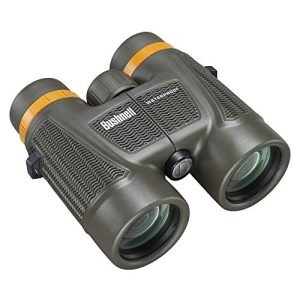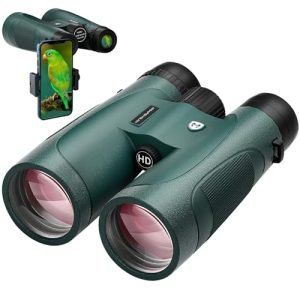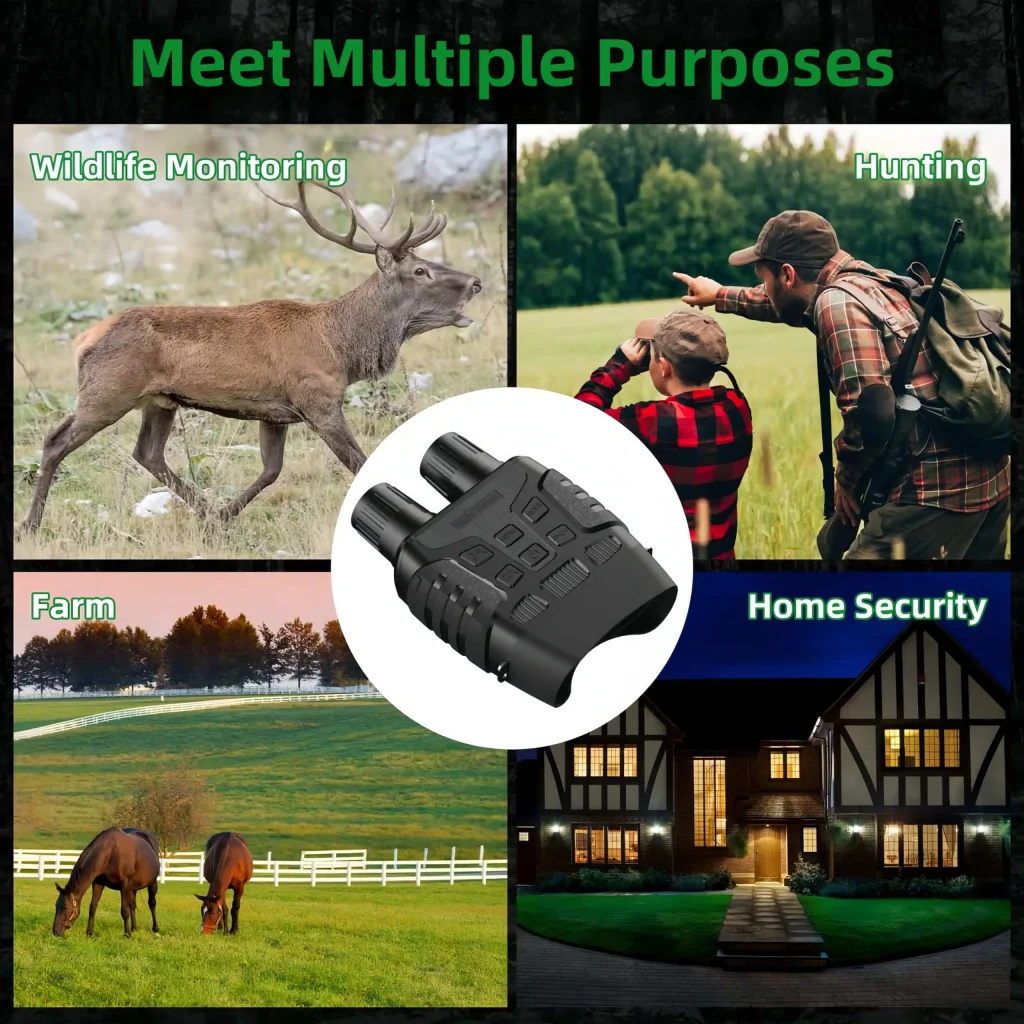
Have you ever wanted to see clearly in complete darkness? Infrared surveillance binoculars can make that possible.
Whether you’re watching wildlife at night or enhancing your security, these powerful tools give you a clear view when your eyes can’t. But how do you use them effectively? You’ll discover simple steps and tips to get the most out of your infrared binoculars.
Keep reading, and soon you’ll be seeing the unseen like a pro.

Credit: www.amazon.com
Choosing The Right Binoculars
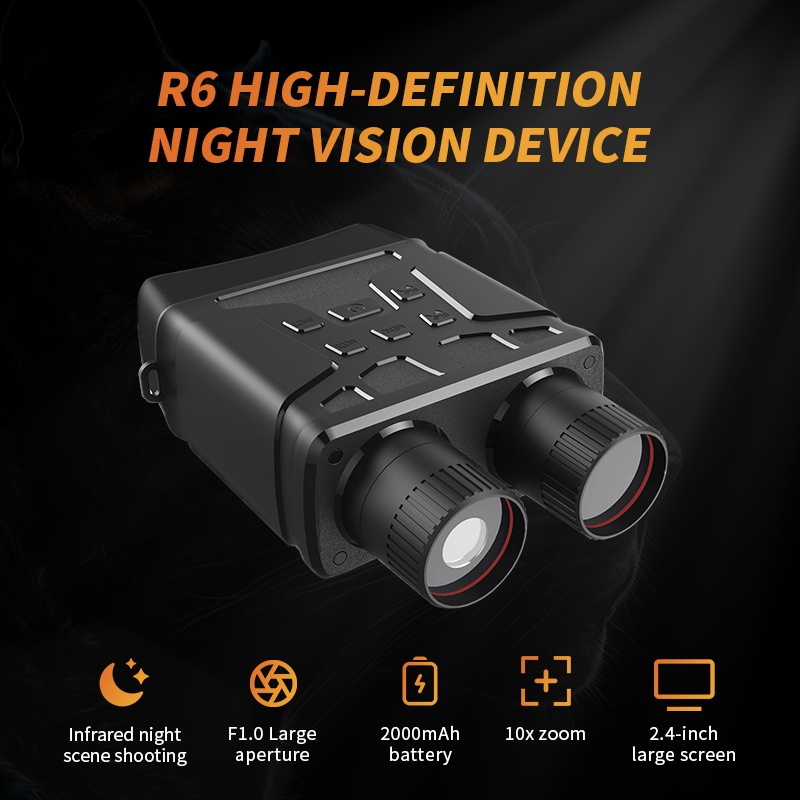
Infrared binoculars come in different types. Some use active infrared, which sends out infrared light. Others use passive infrared, detecting heat naturally emitted by objects. Choose based on your needs and environment.
Key features matter a lot. Look for resolutionto see clear images. A good rangehelps spot objects far away. Battery life is important for long use. Waterproof and durable designs work better outdoors.
| Feature | Description |
|---|---|
| Type | Active or Passive Infrared |
| Resolution | Clear and sharp image quality |
| Range | Distance the binoculars can detect heat |
| Battery Life | Hours of operation before recharge |
| Durability | Waterproof and shock-resistant features |
Credit: www.temu.com
Understanding Infrared Technology
Infrared technology uses invisible light to show objects in the dark. It detects heat given off by animals, people, and objects. This heat creates a picture on the binoculars’ screen.
Infrared lets you see clearly at night or in fog. It works without any visible light, so it does not disturb animals or people. This makes it great for quiet observation.
- See in total darkness:Infrared helps you spot things when the sun is gone.
- Better safety:Helps watch over areas without being seen.
- Clear images:Shows heat patterns, making it easy to find living things.
- Works in bad weather:Fog, smoke, or dust do not block infrared light much.
Preparing For Use
Check the batteriesbefore use. Make sure they are fully charged or fresh. Low power can cause the binoculars to malfunctionor stop working. Replace batteries if needed. Always carry extra batteries for long use.
Turn on the binoculars by pressing the power button. Wait for the device to start up. Adjust the brightnessand contrastsettings to see clearly. Follow the user manual for specific controls.
- Hold the binoculars steady with both hands.
- Look through the eyepieces and focus by turning the focus wheel.
- Adjust the interpupillary distanceto match your eyes.
- Test the infrared function in a dark area to ensure it works well.
Operating Techniques
Hold the binoculars steady to adjust focus. Slowly turn the focus ring until the image is clear. Use the zoom feature to get closerto distant objects. Adjust zoom gently to avoid blurry views.
The infrared modeallows seeing in the dark. Switch on this mode in low light or at night. Infrared light makes objects visible without using visible light. This helps to spot animals or peoplein darkness.
- Keep the binoculars stable for sharp images.
- Adjust focus by turning the focus ring slowly.
- Zoom in carefully to avoid blurriness.
- Activate infrared mode in dark places.
- Infrared helps see without shining a light.
Enhancing Visibility
Improving image clarityis key to better use of infrared surveillance binoculars. Adjust the focus ring slowly until the image is sharp. Check the lens for dirt and clean it gently with a soft cloth to avoid blurs. Use the zoom feature wisely to keep details clear without shaking the view. Keep the binoculars steady; a tripod helps reduce hand movements that cause blurry images.
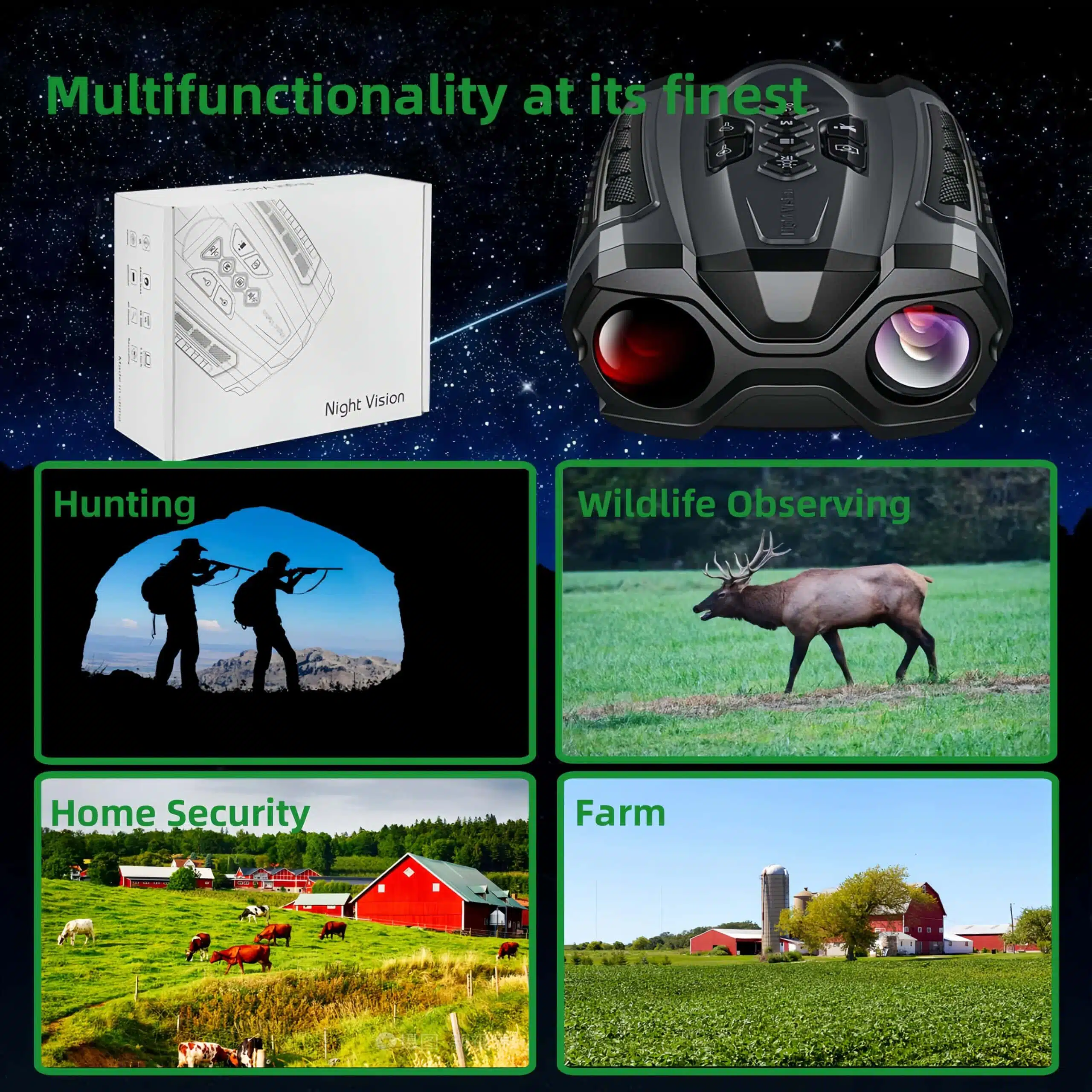
Utilizing external light sources can enhance visibility at night. Infrared light is invisible but helps the binoculars see better in dark places. Use an infrared flashlight if the binoculars do not have a built-in illuminator. Avoid bright lights that can cause glare and reduce image quality. Position the light source behind or beside the binoculars for the best results.
Credit: www.usnighthawk.com
Maintaining Your Binoculars
Keep the lenses clean using a soft, lint-free cloth. Use a lens brush or air blower to remove dust before wiping. Avoid using rough materials that can scratch the glass. For smudges, use a small amount of lens cleaning solution or warm water.
Store binoculars in a dry place away from direct sunlight. Use the protective case to prevent dust and damage. Keep them in a cool spot to avoid moisture build-up. Avoid leaving binoculars in places with extreme temperatures.
- Clean lenses gently with soft cloth
- Use air blower to remove dust
- Avoid rough materials on lenses
- Use lens cleaning solution for smudges
- Store in protective case
- Keep in dry, cool place
- Avoid direct sunlight and moisture
Safety And Legal Considerations
Using infrared surveillance binocularsresponsibly is very important. These devices can see in the dark, so privacy must be respected. Always avoid pointing them at private property or people without permission. Misusing these binoculars can lead to legal troubleor fines.
Check local laws before using infrared binoculars. Some places have strict rules about night vision devices. Knowing these rules helps avoid problems with the law. In some areas, you might need a license or special permission.
Remember to use the binoculars only for safe and lawfulactivities, like wildlife watching or security. Never use them to spy or invade others’ privacy. Responsible use keeps you safe and respectful.
Troubleshooting Common Issues
Power problemswith infrared surveillance binoculars often stem from battery issues. Always check the battery charge first. Replace old batteries with new ones for better performance. Ensure the battery is inserted correctly to avoid connection problems. Sometimes, cleaning the battery contacts with a dry cloth helps restore power. Avoid using damaged or swollen batteries as they can harm the device.
Image distortionscan affect viewing quality. Adjust the focus knob slowly until the image becomes clear. Dirt or smudges on the lenses cause blurry images; clean them gently with a lens cloth. Avoid using rough materials that might scratch the lens. If the image is still distorted, check for moisture inside the binoculars. Store the device in a dry place to prevent fogging or water damage.
Frequently Asked Questions
What Are Infrared Surveillance Binoculars Used For?
Infrared surveillance binoculars help see in low light and darkness. They detect heat signatures, making them useful for security and wildlife observation. These binoculars enhance visibility beyond normal vision limits, improving night-time surveillance and target detection.
How Do I Operate Infrared Surveillance Binoculars?
Turn on the binoculars and adjust the focus. Use the infrared mode to detect heat signatures. Scan the area slowly to identify objects. Refer to the user manual for specific model instructions and settings for optimal performance.
Can Infrared Binoculars See Through Walls Or Objects?
No, infrared binoculars cannot see through solid walls or objects. They detect thermal radiation from surfaces, not hidden objects. Their effectiveness depends on line of sight and temperature differences, making them ideal for open environments and outdoor surveillance.
How Long Does The Battery Last In Infrared Binoculars?
Battery life varies by model but typically lasts 4-8 hours. Use rechargeable batteries for convenience and longer use. Turn off the device when not in use to conserve power during extended surveillance sessions.
Conclusion
Infrared surveillance binoculars help you see clearly in the dark. Adjust the settings carefully for the best view. Keep the lenses clean to avoid blurry images. Practice using them during different times for better skill. Always carry extra batteries to avoid power loss.
These tips make your night vision experience smooth and safe. Use your binoculars responsibly and respect privacy rules. With patience, you will become confident in using infrared binoculars.