Imagine you’re deep in the woods, surrounded by the sounds of nature, and suddenly you spot movement in the distance. What if you could see that animal up close without disturbing it?
Using binoculars for spotting wildlife while camping lets you do just that. You’ll learn simple tips to make the most of your binoculars, helping you discover hidden creatures and enjoy your outdoor adventure even more. Ready to bring the wild closer to your eyes?
Let’s dive in!
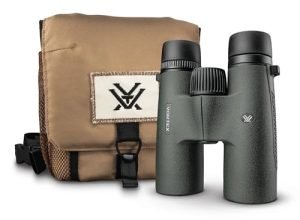
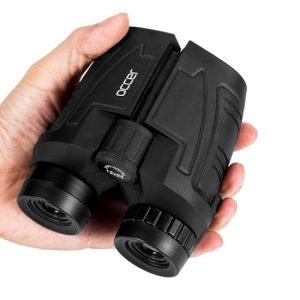
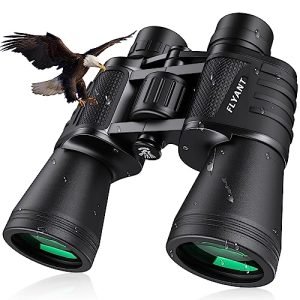
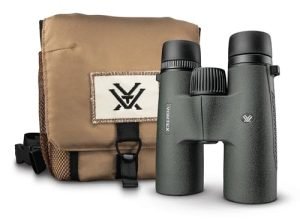
Choosing The Right Binoculars
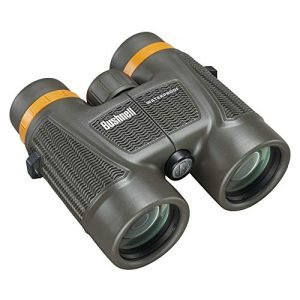
Magnificationaffects how close the wildlife appears. A 8x or 10x magnification is good for most camping trips. Lens sizecontrols how much light enters. Larger lenses show brighter images but are heavier.
The field of viewmeans how wide an area you see through the binoculars. A wider field helps spot moving animals. Choose binoculars with a field of view that matches your needs.
Binoculars must be durableand weather-resistant. Look for models that are waterproof and fog-proof. They should survive rain and rough handling during camping.
:max_bytes(150000):strip_icc()/tal-celestron-trailseeker-8x42-ed-binoculars-sarah-barber-3-9d50fbf0e9db4f25a94784195680e2ab.jpeg)
Credit: www.travelandleisure.com
Understanding Wildlife Behavior
Animals live in different places called habitats. These include forests, rivers, and grasslands. Each habitat offers food, water, and shelter for specific animals. Knowing where animals live helps you find them easier with binoculars.
Animals have daily routines. Some are active in the morning, while others come out at night. Watching their patterns can help you spot them quickly. For example, deer often feed at dawn and dusk.
- Birds often gather near water or tall trees.
- Small mammals hide in thick bushes or under rocks.
- Look for tracks, droppings, or sounds to know animal presence.
Setting Up For Success
Choosing a spot with a clear view is key for good wildlife spotting. Find areas near water or where animals come to eat. Stay quiet and keep low to avoid scaring animals away. Early morning or late afternoon offer the best light and more animal activity.
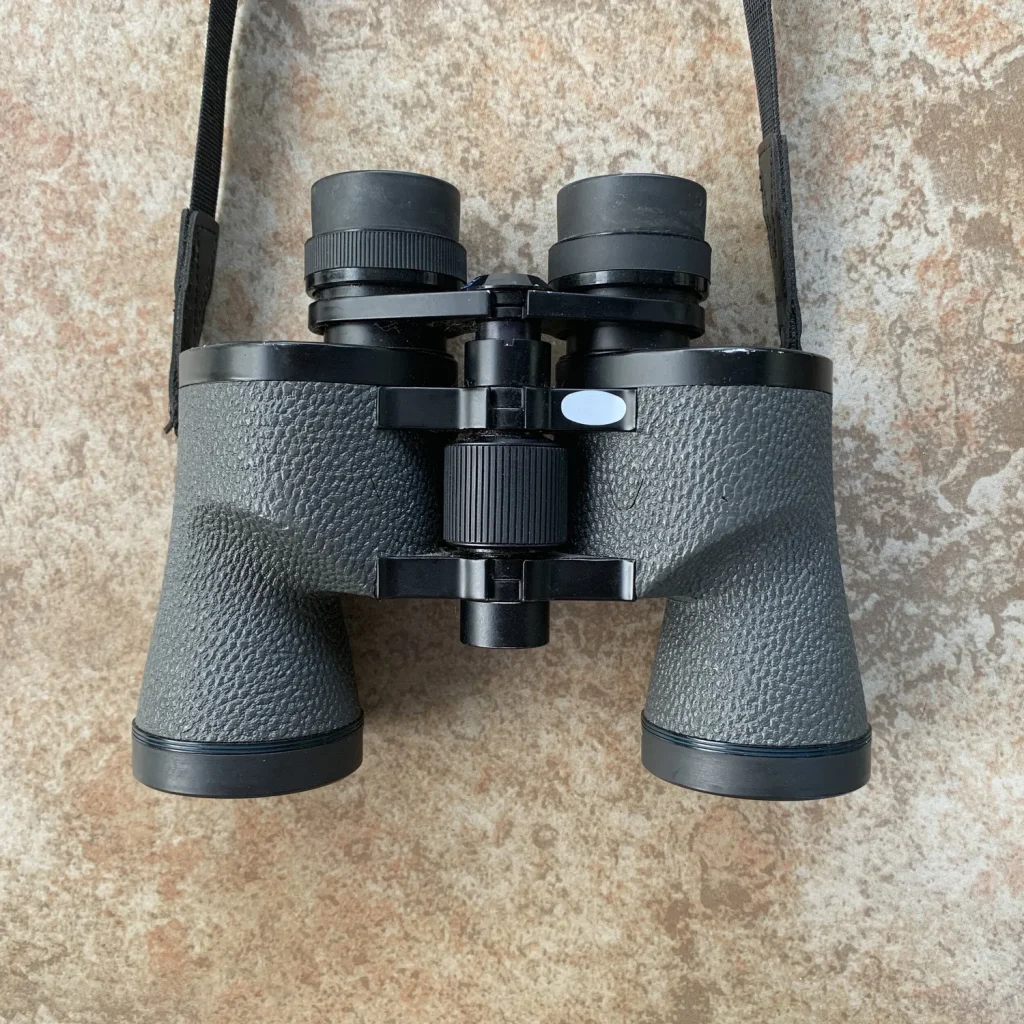
Adjusting your binoculars helps you see animals clearly. Start by setting the distance between the two eyepieces to match your eyes. Use the central focus wheel to sharpen the view. If your binoculars have a diopter, adjust it for the eye you use less. Hold the binoculars steady and breathe slowly to avoid shaking the image.

Credit: www.facebook.com
Spotting Techniques
Hold binoculars steady to get a clear view. Use both eyes to see better. Adjust the focus slowly to sharpen the image. Practice looking through them before camping.
Scan the area in a slow, steady way. Move your head, not just your eyes, to cover more space. Watch for small movements or shapes that stand out. Animals often blend into the background.
- Look for signs like rustling leaves or sudden movements.
- Keep the binoculars ready to focus quickly.
- Follow any movement calmly without sudden jerks.
- Use natural light to your advantage; early morning and late afternoon are best.
Safety And Ethical Practices
Respecting wildlifemeans watching animals quietly. Avoid loud noises or sudden moves. Use binoculars to see animals from far away. This helps keep animals calm and safe.
Maintaining a safe distanceprotects both you and the animals. Stay far enough so animals don’t feel scared. Never try to touch or feed wild animals. This can be dangerous and harmful.
- Keep binoculars ready to watch without getting close.
- Move slowly and stay hidden behind trees or bushes.
- Observe animal habits without disturbing them.
- Respect animal space to help preserve nature.
Enhancing Your Experience
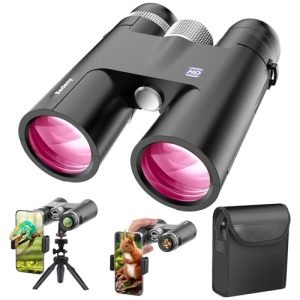
Using extra gearcan make wildlife spotting easier and more fun. A tripodhelps keep binoculars steady for clear views. Carrying a compassor GPSkeeps you oriented in nature. Wearing neutral colorshelps you blend with the environment. A hatand sunscreenprotect you from sun while watching animals.
Keeping a wildlife journallets you record animal sights and sounds. Note the date, time, and locationof each sighting. Sketch or write about animal behavior to remember details. A journal helps track patterns and improves spotting skills over time.
Common Mistakes To Avoid
Overlooking binocular adjustmentscan make spotting wildlife difficult. Always adjust the eye distanceto match your eyes. Use the focus wheelto get a clear view. Not doing this causes blurry images and eye strain.
Disregarding environmental factorsaffects what you see. Bright sunlight may cause glareon lenses. Use a lens hood or shade your binoculars with your hand. Fog or rain can blur views, so wait for clear weather. Wind may move animals quickly, so be patient and watch carefully.
:max_bytes(150000):strip_icc()/tal-athlon-optics-8x42-midas-uhd-binoculars-signe-bamsey-ben-wanamaker-09-1-8caa644274c046f78e4cc47a08bb9750.jpeg)
Credit: www.travelandleisure.com
Frequently Asked Questions
How Do I Choose The Right Binoculars For Wildlife Spotting?
Select binoculars with 8x to 10x magnification and a 30-42mm objective lens. These provide clear, bright images and a wide field of view, ideal for spotting animals in various lighting conditions while camping.
What Is The Best Way To Hold Binoculars For Stability?
Hold binoculars firmly with both hands, keeping elbows close to your body. This reduces shaking and improves image clarity, allowing you to observe wildlife comfortably for longer periods.
How Can I Care For Binoculars During Camping Trips?
Keep binocular lenses clean using a soft microfiber cloth. Store binoculars in a protective case when not in use to avoid dust and moisture damage while camping outdoors.
When Is The Best Time To Use Binoculars For Wildlife?
Early morning and late afternoon offer optimal lighting and animal activity. Using binoculars during these times increases your chances of spotting wildlife while enjoying clear visibility.
Conclusion
Using binoculars makes wildlife spotting while camping more fun and clear. Keep your binoculars steady and focus carefully on animals. Choose a quiet spot to avoid scaring wildlife away. Practice often to get better at spotting distant creatures. Always respect nature and keep a safe distance from animals.
Remember, patience helps you see more details through the lenses. Enjoy the calm moments and the beauty of wildlife around you. This simple tool can bring nature closer and make your camping trips special.