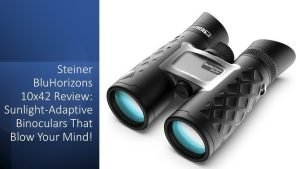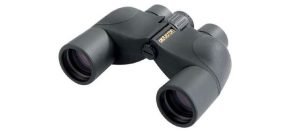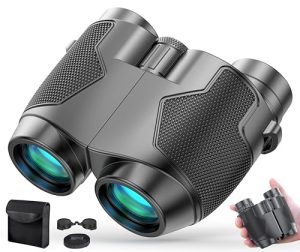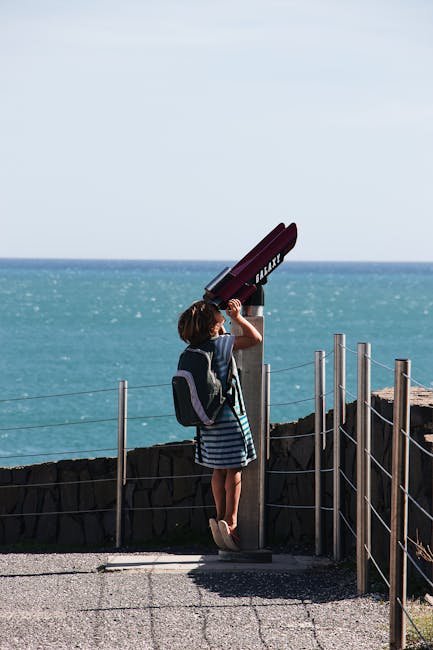
Are you ready to enhance your marine operations with precision and clarity? Using tactical binoculars the right way can make all the difference when you’re out on the water.
Whether you’re navigating tricky waters, spotting distant objects, or ensuring safety, these powerful tools can give you an unbeatable edge. You’ll discover simple yet effective techniques to get the most out of your tactical binoculars. Keep reading, and you’ll learn how to boost your vision, improve your response time, and take control of every marine mission like a pro.
Choosing The Right Tactical Binoculars
Durabilityis key. Choose binoculars with waterproofand fog-resistantfeatures. They must handle harsh marine environments well.
Magnificationof 7x to 10x is common for marine use. It offers a clear and stable view without much shake.
Look for wide field of view. It helps scan large areas quickly.
Lens coatingimproves light transmission. It gives brighter and sharper images, especially in low light.
Size and weightmatter. Lightweight binoculars reduce fatigue during long use.
| Brand | Model | Key Features | Price Range |
|---|---|---|---|
| Steiner | Marine 7×50 | Waterproof, fog-proof, wide field | $$$ |
| Bushnell | Marine 7×50 | Fully waterproof, good light transmission | $$ |
| Fujinon | Mariner 7×50 | Sharp optics, rugged build | $$$ |
| Nikon | OceanPro 7×50 | Waterproof, wide angle view | $$ |

Credit: botach.com
Preparing For Marine Operations
Before any marine operation, ensure the binoculars are clean and dry. Check lenses for scratches or dirt. Test focus and zoom to confirm smooth movement. Make sure all parts are tight and secure. Carry spare batteries if the binoculars have digital features.
Proper care extends the binoculars’ life and improves performance. Store them in a dry, cool place. Use a soft cloth for cleaning lenses to avoid scratches. Avoid touching lenses with fingers. Keep the binoculars in a protective case when not in use.
Understanding Binocular Specifications
Magnificationshows how close objects appear. Higher magnification means seeing far but can shake more. The objective lenssize affects light entry. Bigger lenses give clearer images in low light.
The field of viewis how wide you can see through binoculars. A wider field helps spot moving boats or animals quickly. The exit pupilis the light circle you see when you hold binoculars away. Bigger exit pupils work better in dark or foggy conditions.
| Specification | Effect |
|---|---|
| Magnification | Closer view but more image shake |
| Objective Lens | More light, clearer image in dark |
| Field of View | Wider view, easier to track targets |
| Exit Pupil | Brighter image in low light |
Techniques For Effective Use
Stabilizing tactical binocularsis key for clear views at sea. Hold the binoculars close to your face and rest your elbows on your body or a solid surface. This reduces shaking caused by waves or movement. Using a tripod or monopod can also help keep the binoculars steady during long observations.
Adjusting for maximum clarity starts with focusing each eyepiece separately. Close one eye and turn the focus wheel to sharpen the image for the other eye. Then, close the other eye and adjust the diopter ring to match your vision. Make small adjustments slowly until the image is crisp and clear.
- Keep binoculars steady using body support or a mount.
- Focus each eyepiece for sharp images.
- Adjust diopter for eye differences.
- Use slow, careful movements to avoid blurring.
Navigational Applications
Tactical binocularshelp sailors find landmarkslike buoys, lighthouses, and shorelines from far away. This makes it easier to know where the boat is and avoid getting lost. Spotting other vessels early gives more time to change course and stay safe.
Using binoculars boosts situational awareness. It helps sailors see weather changes, floating objects, or small boats that might be hard to spot with the naked eye. This extra vision helps make better decisions on the water.
- Identify distant landmarks clearly
- Spot vessels early to avoid collisions
- Observe weather and sea conditions
- Track moving objects in the water
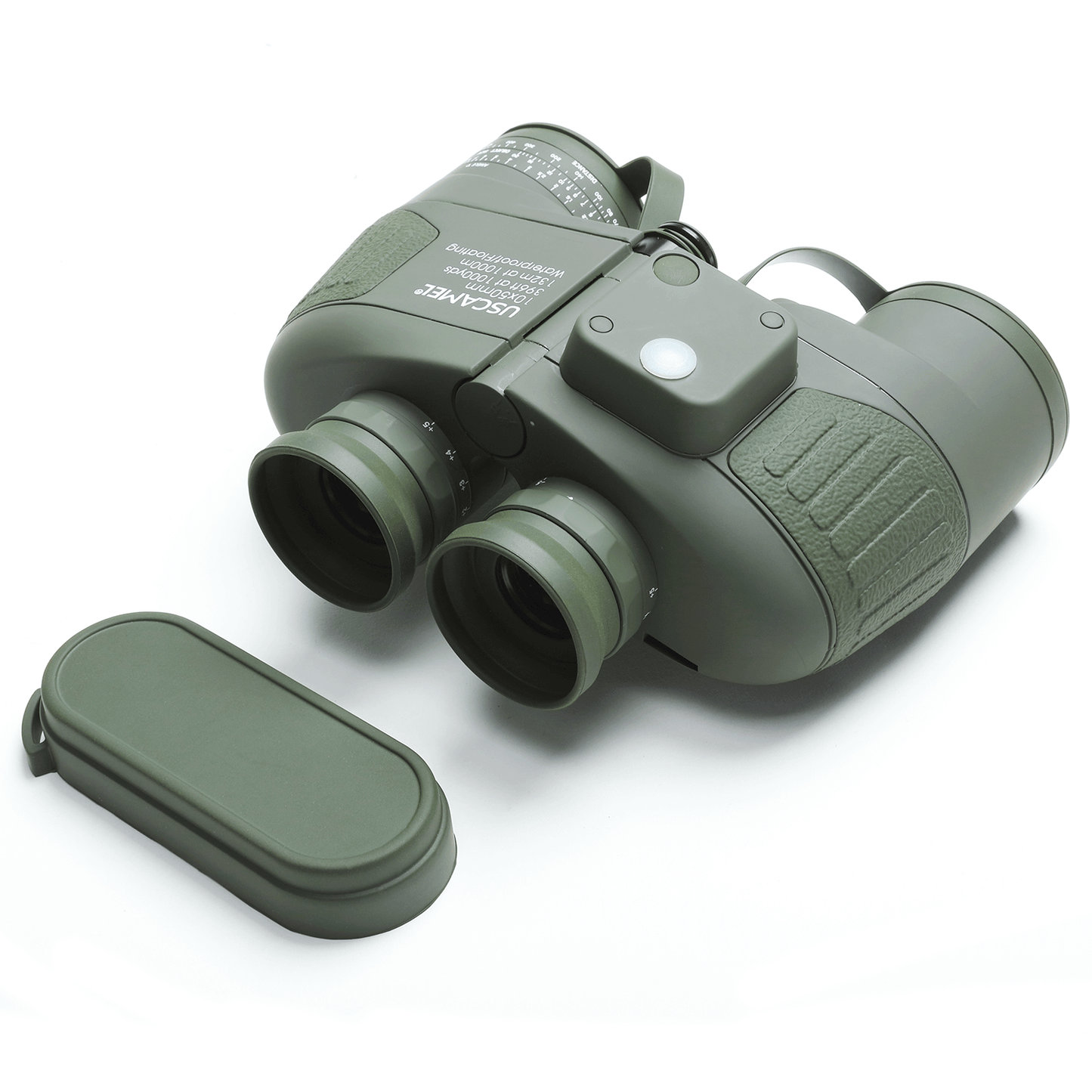
Credit: uscameloptics.com
Safety And Environmental Considerations
Operating tactical binoculars in bad weatherrequires extra care. Rain, fog, and strong winds can reduce visibility. Use a lens cover to protect glass from water drops. Wipe lenses gently with a soft cloth after use. Avoid touching lenses with dirty hands to keep them clear.
Saltwater can cause serious damageto binoculars. Salt crystals may scratch the lens or corrode metal parts. Rinse binoculars with fresh water after exposure to salt spray. Dry them completely with a clean cloth to prevent rust. Store binoculars in a dry, padded case to keep them safe during marine operations.
| Action | Purpose |
|---|---|
| Use lens cover | Protect lenses from rain and salt spray |
| Rinse with fresh water | Remove salt and prevent corrosion |
| Dry thoroughly | Stop rust and water damage |
| Store in padded case | Keep binoculars safe from bumps and moisture |
Training And Skill Development
Improving observation skillsis key for effective use of tactical binoculars. Practice focusing on distant objects and identifying small details. Use different lighting conditions to train your eyes. Learn to quickly adjust the binoculars for clear views. This helps in spotting threats or targets early.
Simulated drills help build real-life skills. Create scenarios that mimic marine operations. Practice scanning wide areas and tracking moving objects. Use timed drills to improve speed and accuracy. Working with a partner can enhance communication and teamwork. Regular practice makes observation more natural and precise.

Credit: www.instagram.com
Frequently Asked Questions
What Are Tactical Binoculars Used For In Marine Operations?
Tactical binoculars enhance visibility and target identification in marine settings. They help in navigation, surveillance, and threat detection. Their rugged design suits harsh marine environments, ensuring reliability and durability. These binoculars improve situational awareness for safer and more effective marine missions.
How To Choose The Best Tactical Binoculars For Marine Use?
Select binoculars with waterproof and fog-proof features for marine conditions. Opt for models with high magnification and wide field of view. Lightweight and durable materials improve comfort and longevity. Consider night vision or image stabilization for enhanced performance in various marine operations.
How To Maintain Tactical Binoculars During Marine Operations?
Rinse binoculars with fresh water after saltwater exposure to prevent corrosion. Use a soft cloth to clean lenses gently. Store them in a protective case when not in use. Regularly check seals and lubricate moving parts to maintain optimal function.
Proper care extends their lifespan and performance.
Can Tactical Binoculars Improve Safety On Marine Missions?
Yes, tactical binoculars increase visibility, helping identify hazards and threats early. They enhance navigation accuracy and coordination among team members. This improved awareness reduces risks and supports timely decision-making. Overall, they contribute significantly to mission safety and success.
Conclusion
Tactical binoculars help you see far and clear on water. Use them to spot ships, obstacles, and weather changes. Keep them steady and adjust focus for sharp views. Regular cleaning keeps lenses clear and reliable. Practice using your binoculars to improve your skills.
Safety and awareness grow with proper use. Stay alert and ready during every marine operation. These simple steps make your work easier and safer. Trust your gear to guide you well on the sea.