Are you tired of your eyes feeling tired and sore after using your wildlife binoculars? Eye strain can quickly turn an exciting birdwatching or wildlife spotting trip into an uncomfortable experience.
But it doesn’t have to be that way. With a few simple tips, you can keep your vision sharp and your eyes relaxed, making every moment with your binoculars clear and enjoyable. Keep reading to discover how you can protect your eyes and make the most of your wildlife adventures without the annoying discomfort of eye strain.

Credit: swoptics.co.uk
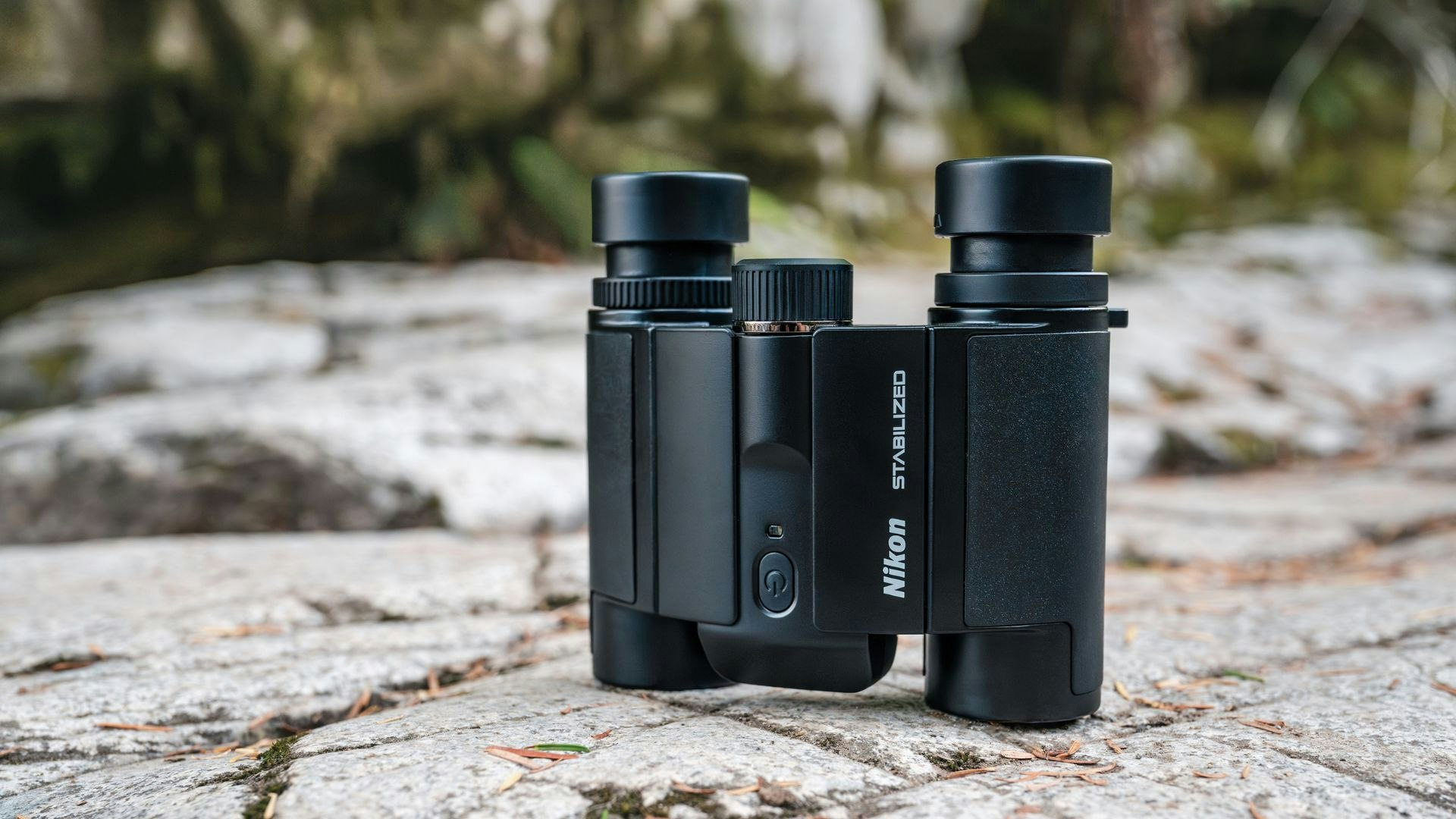
Choosing The Right Binoculars
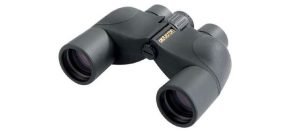
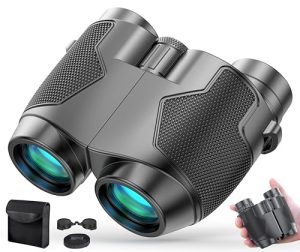
Choosing the right binoculars helps reduce eye strainduring wildlife watching. The optimal magnificationis usually between 8x to 10x. Higher magnification makes images shaky and hard to focus. Lower magnification gives a wider view and easier focus.
Lens quality and coatings affect clarity and brightness. Binoculars with multi-coated lensesreduce glare and improve image sharpness. This helps your eyes relax and see details better.
Weight and ergonomics matter for comfort. Light binoculars are easier to hold steady for long times. Look for binoculars with rubber gripsand a shape that fits your hands well. This helps prevent hand fatigue and eye strain.
Proper Usage Techniques
Adjust the focus slowly until the image looks clear and sharp. Avoid straining your eyes by not forcing the focus too quickly. Take small steps to find the best view. This helps reduce eye fatigue and gives a comfortable experience.
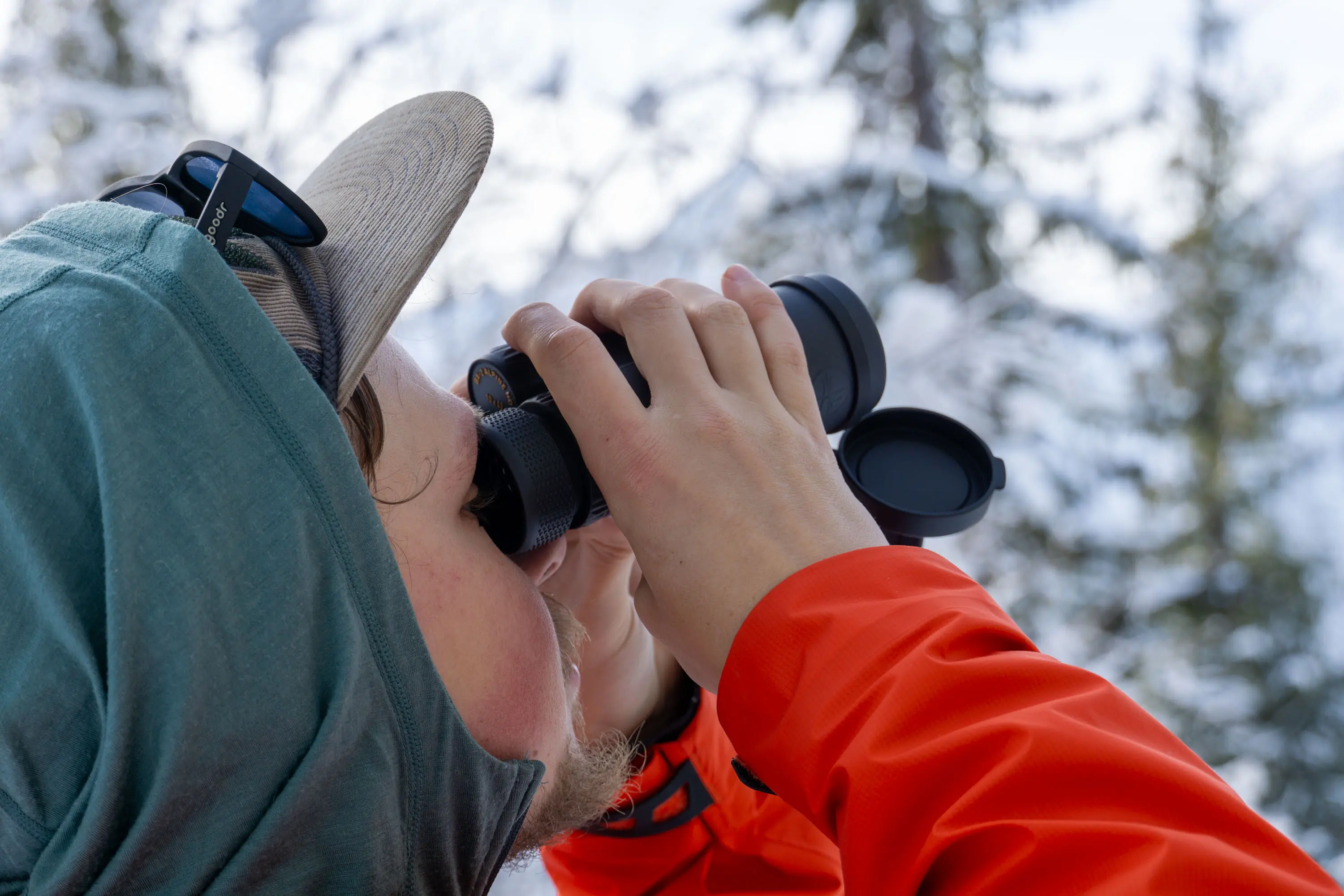
Keep a steady grip on your binoculars to avoid shaking. Use both hands and hold them close to your face. This keeps the image stable and easy to watch. Shaking causes your eyes to work harder and may lead to strain.
Using a tripod adds extra stability, especially for long viewing times. It holds the binoculars steady without effort from your hands. This prevents tired arms and helps your eyes relax. Tripods are great for watching wildlife at a distance.
Eye Relief And Comfort
Eye reliefis the distance from the binocular lens to where your eye sees the full image. It matters a lot for comfort during long viewing sessions. Too short eye relief causes eye strainand blurry views.
For people who wear glasses, binoculars with longer eye relief (around 15mm or more) help keep the full view without moving the glasses. Adjusting the eye cups by twisting or folding can also improve comfort and protect your lenses.
Good binoculars offer comfortable viewing anglesthat let you hold them steady. Look for binoculars that fit your face shape well and allow a natural head position. This reduces neck and eye fatigue, making wildlife watching more enjoyable.
Credit: www.birdwatching.co.uk
Regular Breaks And Eye Exercises
Taking regular breaksis key to reducing eye strainfrom wildlife binoculars. Rest your eyes every 20 minutes by looking away for at least 20 seconds. This helps your eyes relax and reduces tiredness.
Simple eye exercisesalso help. Try rolling your eyes slowly in circles or focusing on a near object, then a far one. These exercises keep your eye muscles strong and flexible.
Blinking often is important. It keeps your eyes moisturizedand prevents dryness. Dry eyes cause discomfort and strain. Remember to blink naturally when using binoculars for a long time.
Environmental Factors
Bright or dim lighting conditionscan tire your eyes quickly. Use binoculars in soft light for comfort. Avoid direct sunlight; it can cause harsh shadows and glare. Early morning or late afternoon offers gentle light for wildlife watching.
Weather considerationsmatter a lot. Wind can shake your binoculars, making your eyes work harder. Rain or fog blurs the view, causing strain. Choose calm, clear days for easier viewing.
- Avoiding glarehelps protect your eyes. Position yourself so the sun is behind you.
- Use a lens hood or a hat to block bright light.
- Polarized lenses can reduce glare from water or leaves.
Maintenance And Care
Cleaning the lenses with a soft cloth removes dust and smudges. Avoid using rough materials that can scratch the glass. Use lens cleaner or a little water for stubborn dirt. Always clean gently to keep the lenses clear and sharp.
Store binoculars in a dry, cool place to prevent moisture buildup. Use a protective case to avoid damage and dust. Keep them away from direct sunlight to protect the lenses and coatings.
| Inspection Area | What to Check |
|---|---|
| Lens Condition | Look for scratches, cracks, or dirt |
| Focus Mechanism | Ensure smooth movement without sticking |
| Body and Seals | Check for cracks or worn seals to avoid moisture |
Credit: gearjunkie.com
Frequently Asked Questions
What Causes Eye Strain When Using Wildlife Binoculars?
Eye strain happens due to prolonged focus and improper binocular settings. Poor eye relief, incorrect interpupillary distance, and low-quality lenses increase discomfort during use.
How Can I Adjust Binoculars To Reduce Eye Strain?
Adjust the interpupillary distance to match your eyes. Set the focus properly and use the diopter adjustment for clear, sharp images, minimizing eye fatigue.
Are Anti-reflective Coatings Helpful For Eye Comfort?
Yes, anti-reflective coatings reduce glare and improve light transmission. This enhances image clarity and lessens eye strain during extended wildlife observation sessions.
How Often Should I Take Breaks To Avoid Eye Strain?
Take a 5-10 minute break every 20-30 minutes of binocular use. This rest helps relax eye muscles and prevents long-term discomfort.
Conclusion
Taking care of your eyes is key when using wildlife binoculars. Adjust the focus and use proper eye relief to avoid strain. Take breaks often to rest your eyes. Keep your binoculars clean for a clear view. Practice these simple steps to enjoy birdwatching or wildlife spotting comfortably.
Your eyes will thank you for the extra care. Enjoy nature without discomfort or tired eyes. Safe viewing makes every outdoor adventure better.