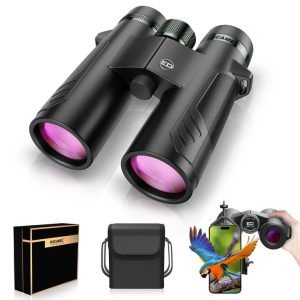
If you love camping, you know how important your binoculars are for spotting wildlife and enjoying the views. But have you ever struggled with blurry or dirty lenses that ruin your experience?
Cleaning your camping binocular lenses the right way can make all the difference. You’ll discover simple, effective tips to keep your lenses crystal clear. By the end, you’ll be ready to enjoy sharp, vivid sights every time you head outdoors.
Keep reading to learn how to protect your gear and see the world in perfect focus.

Credit: www.nytimes.com
Importance Of Clean Binocular Lenses
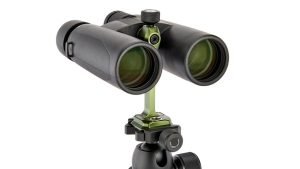
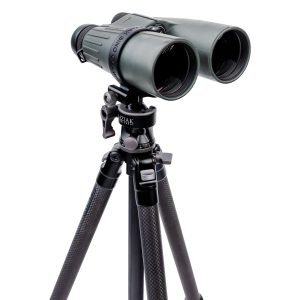
Clean binocular lenses are essentialfor clear and sharp views. Dirt, dust, and smudges can blur imagesand make it hard to see details. This can be frustratingduring camping trips when you want to enjoy nature fully.
Clear lenses help you spot animals or distant objects easily. They also protect the binoculars from damage over time. Regular cleaning keeps the lenses in good conditionand extends their life.
- Improves viewing clarity
- Prevents lens damage
- Enhances your camping experience
- Keeps binoculars working longer

Credit: www.amazon.com
Common Causes Of Dirty Lenses
Camping binocular lensesget dirty from many common causes. Dust and dirt from the outdoors often stick to the lenses. Fingerprints leave oily marks that blur the view. Water spots from rain or dew can dry and leave stains. Mud or sand can scratch the glass if not cleaned carefully. Insects and pollen also settle on lenses during camping trips.
Storing binoculars without a protective case invites dust and scratches. Touching lenses with dirty hands adds grime fast. Sudden weather changes cause condensation, making lenses foggy. Even small spills from drinks or food can cause stains.
- Dust and dirt from outdoor environments
- Fingerprints and oily smudges
- Water spots from rain or dew
- Sand, mud, or tiny scratches
- Insect residue and pollen
- Condensation and fogging
- Storage without protection
- Food or drink spills
Tools And Materials Needed
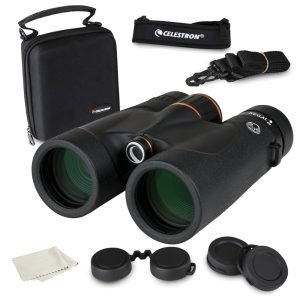
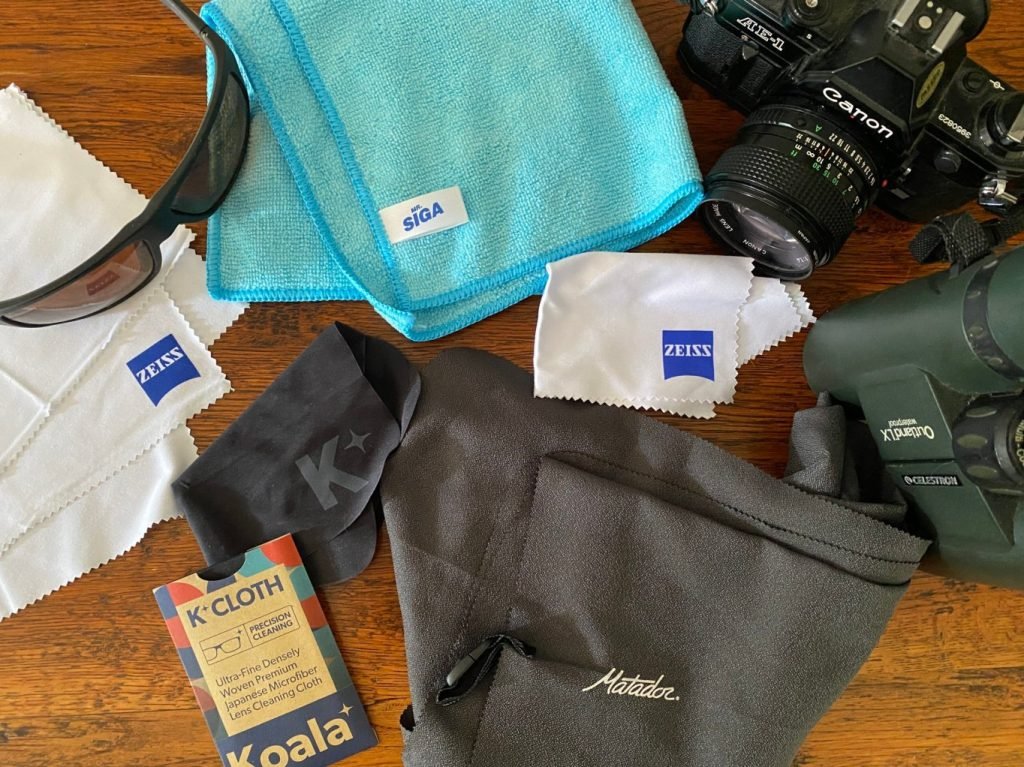
A soft microfiber cloth, lens cleaning solution, and a small brush work best for cleaning binocular lenses. Avoid harsh materials that could scratch the glass. Having these tools ready makes the process quick and safe.
Cleaning Solutions
Use a gentle lens cleaning solution made for optics. Avoid household cleaners or alcohol, as they can damage coatings. A few drops on the lens or cloth are enough. Never pour solution directly on the lenses.
Microfiber Cloths
Microfiber cloths are soft and safe for lenses. They remove dust, fingerprints, and smudges without scratching. Use a clean, dry cloth to gently wipe the lenses. Avoid using tissues or rough fabrics.
Lens Brushes
Lens brushes help remove loose dirt and dust. Use a small, soft brush designed for camera or binocular lenses. Brush gently to avoid scratching the glass. This helps keep lenses clean before using a cloth.
Step-by-step Cleaning Process
Start by gently removing loose dust from the lenses. Use a soft brush or a clean microfiber cloth. Avoid using your fingers to wipe dust. This prevents scratching the lens surface.
Next, apply a small amount of cleaning solution designed for optics. Never spray directly on the lens. Instead, put the solution on a microfiber cloth. Gently wipe the lenses in a circular motion. This helps remove smudges and dirt effectively.
Finally, use a dry part of the microfiber cloth to polish the lenses. Drying removes any leftover moisture that can cause spots. Buff lightly to keep the lenses clear and shiny. Store binoculars in a clean, dry case after cleaning.
Avoiding Scratches And Damage
Use a soft brush or air blower to remove dust gently. Never rub lenses with your fingers. Always use a clean microfiber cloth for wiping. Avoid paper towels or rough fabrics that can scratch lenses.
Hold binoculars steady to avoid drops. Clean lenses only when needed to prevent damage. Use lens cleaning solution made for optics. Apply solution to cloth, not directly on lenses.
- Keep binoculars in a protective case when not in use.
- Do not use household cleaners or harsh chemicals.
- Store in a dry place to avoid mold and mildew.
Maintaining Lens Clarity
Keeping your camping binocular lensesclean is key for clear views. Use a soft brush or air blower to remove dust gently. Avoid wiping lenses with dirty cloths to prevent scratches.
Use a microfiber clothfor cleaning. Lightly dampen it with lens cleaner or water. Wipe lenses in a circular motion to remove smudges and dirt.
Storing binoculars properly protects lenses from damage and dirt. Always keep them in a protective casewhen not in use. Store in a dry place to avoid moisture buildup that can cause mold.
Here are some tips for proper storage:
- Use lens caps to cover both ends of binoculars.
- Keep binoculars away from direct sunlight and heat.
- Check and clean lenses before storing them for a long time.
- Avoid placing heavy objects on the binocular case.
Expert Tips For Optimal Cleaning
Cleaning binocular lenses requires gentle care and the right tools. Use a soft brush or air blower to remove dust first. Avoid wiping lenses when dry to prevent scratches. Use a microfiber cloth with lens cleaner for smudges. Never use household cleaners or paper towels, as they can damage coatings.
Touching lenses with fingers leaves oils that blur vision. Store binoculars in a protective case when not in use. Keep them away from extreme heat or moisture to avoid mold growth.
| Common Mistakes | Why to Avoid |
|---|---|
| Using rough cloth or paper towels | Can scratch or damage lens coating |
| Applying household cleaners | Chemicals may harm lens surface |
| Wiping dry lenses | Drags dust, causing scratches |
| Touching lenses with fingers | Leaves oil and dirt spots |
- Store binoculars in a dry, cool place.
- Use lens caps to protect lenses.
- Clean lenses only when necessary.
- Check for dirt or bugs before cleaning.

Credit: www.ypc.co.uk
Frequently Asked Questions
How Do I Safely Clean Camping Binocular Lenses?
Use a soft brush or air blower to remove dust first. Then, gently wipe lenses with a microfiber cloth and lens cleaner. Avoid harsh chemicals or rough materials to prevent scratches and damage.
What Materials Are Best For Cleaning Binocular Lenses?
Microfiber cloths and lens cleaning solutions designed for optics are best. Avoid paper towels, tissues, or household cleaners. These materials can scratch or leave residues on the lenses.
How Often Should I Clean My Camping Binocular Lenses?
Clean lenses only when visibly dirty or smudged. Frequent cleaning can cause wear. Regularly remove dust with a brush or air blower to maintain clarity and lens quality.
Can I Use Household Cleaners On Binocular Lenses?
No, household cleaners often contain chemicals harmful to lens coatings. Use products specifically made for optical lenses to preserve clarity and protect coatings.
Conclusion
Cleaning your camping binocular lenses keeps your view clear and sharp. Use soft cloths and gentle strokes to avoid scratches. Avoid harsh chemicals that can damage lenses. Regular cleaning helps your binoculars last longer. Always store them in a safe, dry place.
Clean lenses make your outdoor adventures more enjoyable. Small efforts protect your gear and improve your experience. Keep your binoculars ready for the next trip. Simple care goes a long way.