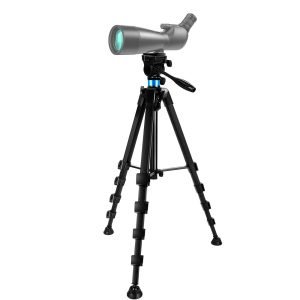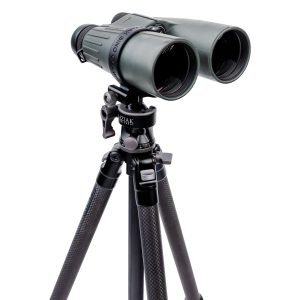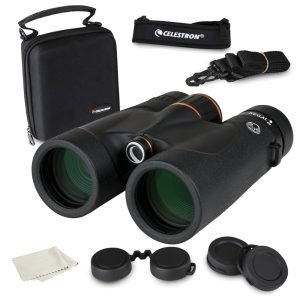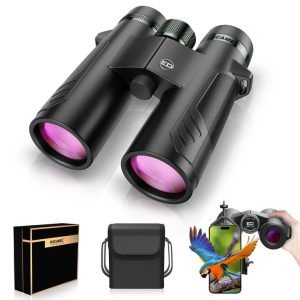
Are you looking to boost your outdoor security or enhance your nighttime adventures? Choosing between thermal and night vision surveillance binoculars can be confusing.
Both offer unique ways to see in the dark, but they work very differently. Understanding these differences can help you pick the right tool for your needs. You’ll discover how each type works, their strengths, and which one fits your situation best.
Keep reading to make an informed choice that truly benefits your safety and vision.
Thermal Vision Binoculars
Thermal imagingdetects heat given off by objects. It captures infrared light invisible to the human eye. This creates images based on temperature differences. Hot objects appear bright, cold ones dark. It works day or night without extra light.
Advantages of thermal visioninclude seeing through smoke, fog, and darkness. It helps spot people or animals hiding. Thermal binoculars show heat patterns clearly. They do not need any light source to work. This makes them useful for security and rescue tasks.
Limitations of thermal vision include low detail on shapes and colors. It cannot read signs or text. Warm surfaces can hide cooler objects behind them. The images may look blurry or grainy. Also, thermal binoculars are usually more expensive than night vision types.
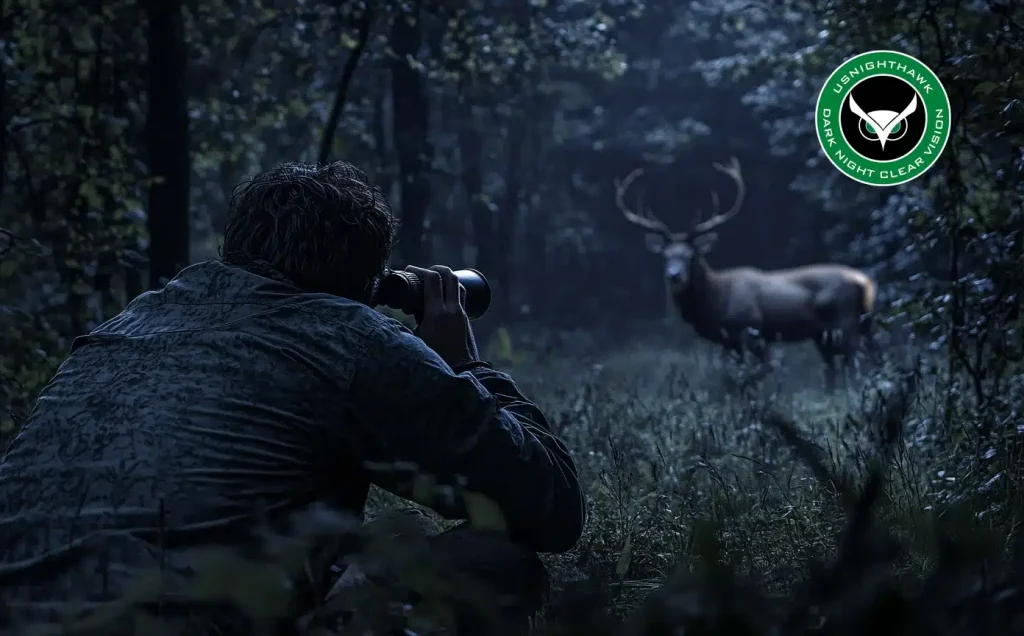
Credit: www.usnighthawk.com
Night Vision Binoculars
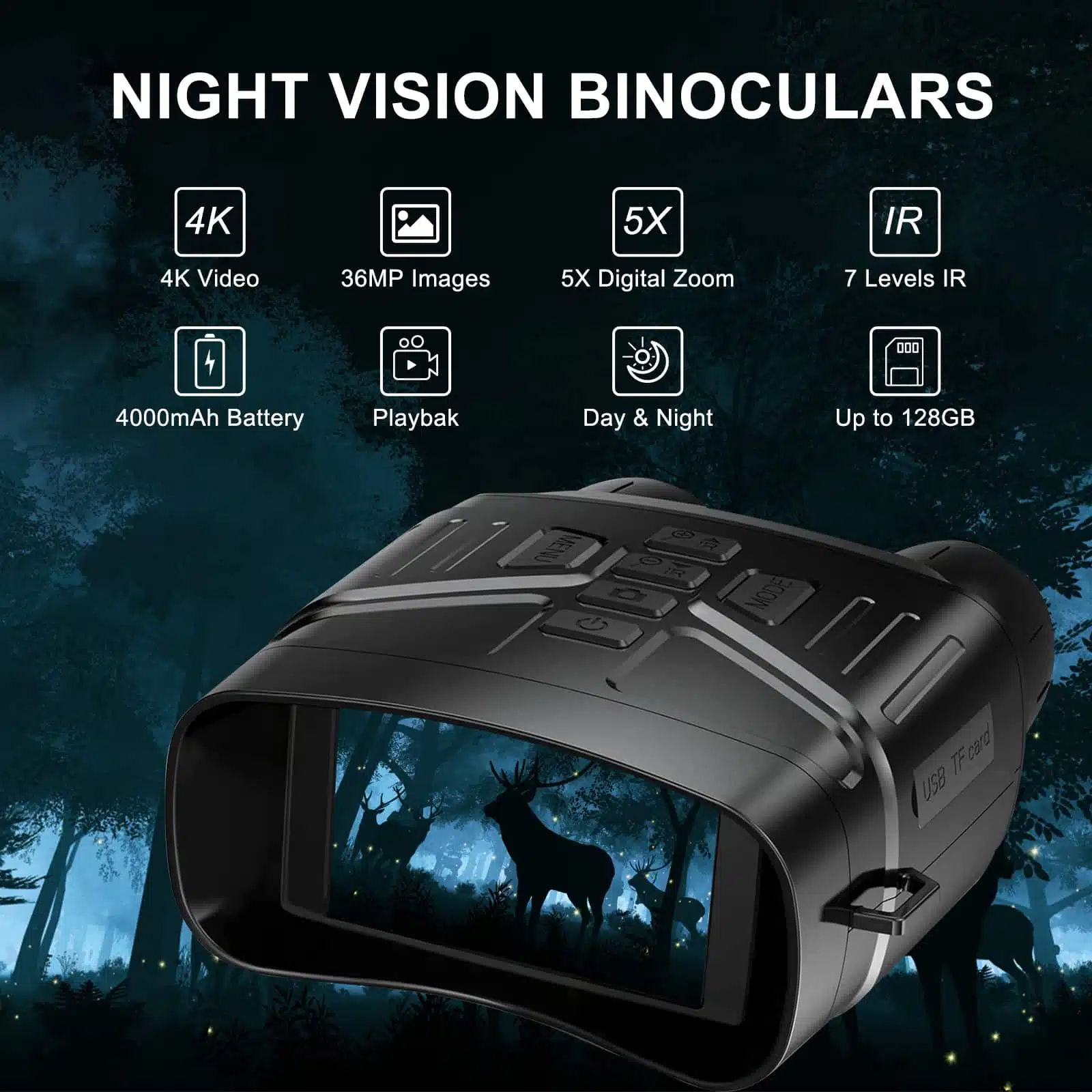
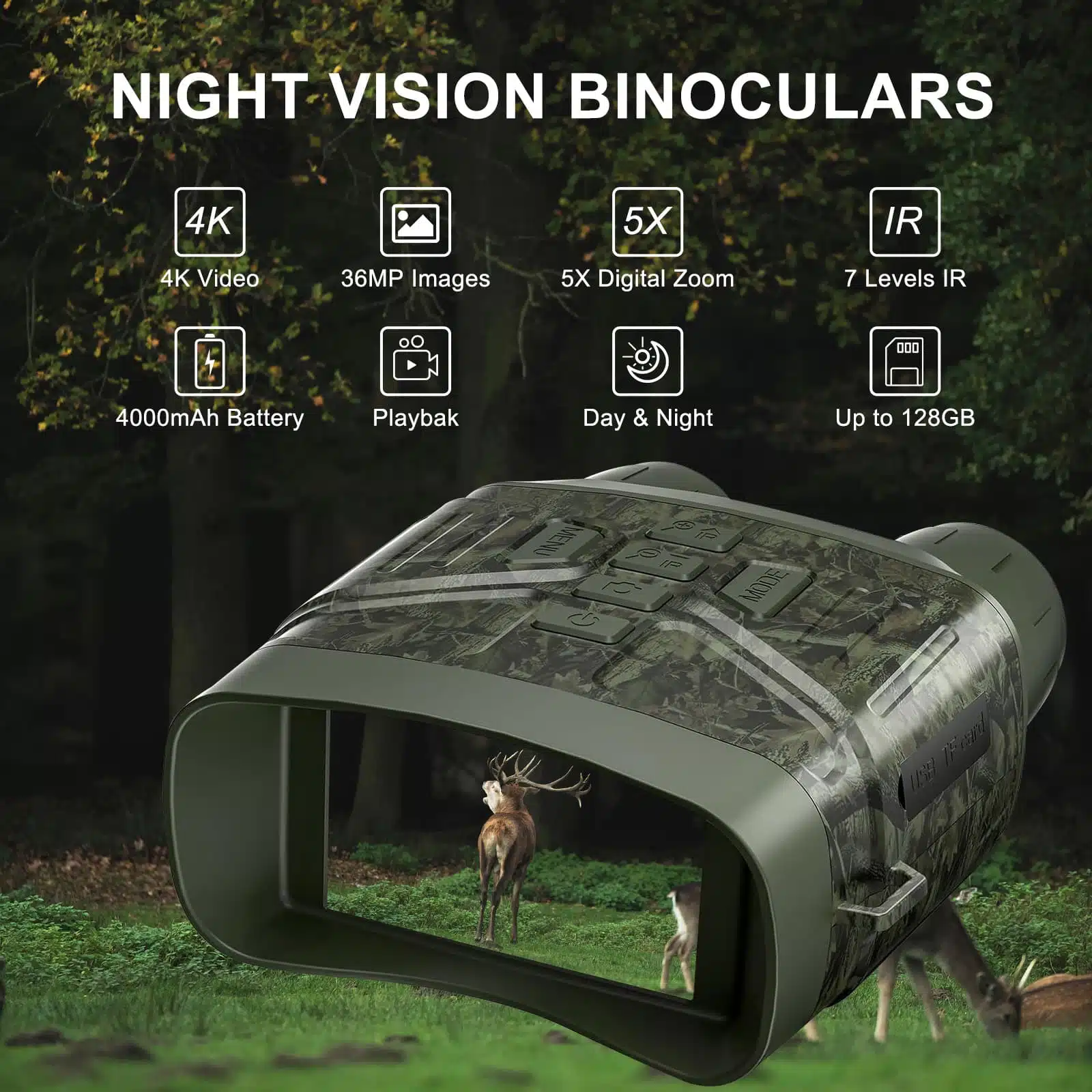
Night vision binoculars use special sensorsto see in the dark. They capture very small lightlike moonlight or stars. The sensors amplify this lightso you can see objects clearly at night.
The technology works by collecting light through lenses. Then, it changes light into electrons. These electrons are multiplied inside the device. Finally, they create a bright green image on the screen.
- See clearly in darknesswithout extra light sources
- Help with wildlife watchingand security
- Lightweightand easy to carry
- Can work in very low light
- Images can be grainyin very dark places
- Cannot see through thick fog or smoke
- Require some ambient light to work
- Usually have a green tintedimage
Comparative Analysis
Thermal binoculars detect heat, showing images based on temperature differences. Night vision binoculars amplify light to reveal details in darkness. Each type suits different surveillance needs depending on environment and visibility conditions.
Performance In Different Environments
Thermal binocularsdetect heat, working well in total darkness and fog. They show living beings by their heat signature. Night vision binocularsamplify existing light, like moon or starlight. They work best in low light but not in zero light. Thermal works in all weather conditions; night vision struggles in fog or smoke.
Cost Implications
| Type | Price Range | Reason |
|---|---|---|
| Thermal | High | Advanced heat detection technology |
| Night Vision | Moderate to Low | Uses light amplification technology |
User Experience
- Thermal binoculars offer clear images in dark or foggy places.
- Night vision binoculars give green-tinted images but need some light.
- Thermal units tend to be heavier and use more power.
- Night vision devices are lighter and easier to carry.
- Both require some training to use well.

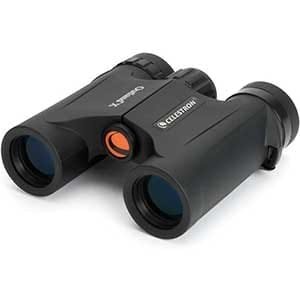
Credit: www.amazon.com
Choosing The Right Binoculars
Choosing binoculars depends on what you need most. Thermal binocularsdetect heat, working well in total darkness. Night vision binocularsamplify light, best for low-light conditions. Both have unique strengths.
Think about these points before buying:
- Use: Wildlife watching, security, or search and rescue?
- Image quality: Clear images matter for identification.
- Battery life: Longer use means less charging.
- Weight: Light binoculars are easier to carry.
- Price: Match features with budget.
Different tasks need different tools. Thermal binoculars excel at spotting warm bodies through fog or bushes. Night vision is great for seeing shapes and movements in low light. Both help in security, hunting, and wildlife study.
| Future Innovations | Possible Features |
|---|---|
| Better Resolution | Sharper images even in dark or foggy scenes |
| Longer Battery Life | Use binoculars longer without recharging |
| Compact Designs | Lighter and smaller for easier carrying |
| Smart Integration | Connect with phones or GPS for tracking |
Credit: www.usnighthawk.com
Frequently Asked Questions
What Are Thermal Binoculars Used For?
Thermal binoculars detect heat emitted by objects. They are ideal for night surveillance, wildlife spotting, and search and rescue missions.
How Do Night Vision Binoculars Work?
Night vision binoculars amplify existing light using image intensification. They allow clear vision in low-light or dark conditions without detecting heat.
Which Is Better: Thermal Or Night Vision Binoculars?
Thermal binoculars excel in total darkness and through obstacles. Night vision binoculars provide clearer images in low light but need some ambient light.
Can Thermal Binoculars See Through Fog Or Smoke?
Yes, thermal binoculars can detect heat signatures through fog, smoke, and light foliage, making them effective in challenging environments.
Conclusion
Thermal and night vision binoculars serve different needs. Thermal detects heat, useful in total darkness and through smoke. Night vision amplifies light, great in low-light settings. Each type offers unique advantages for surveillance tasks. Choose based on your specific environment and purpose.
Understanding these differences helps you pick the right tool. This knowledge ensures better results and clearer images. Both technologies enhance night viewing but work in different ways. Keep your needs in mind when selecting binoculars. The right choice improves safety and observation success.