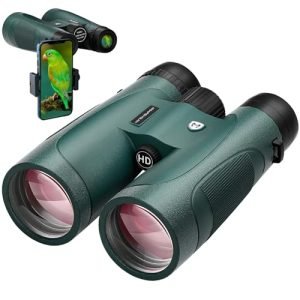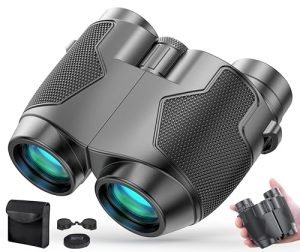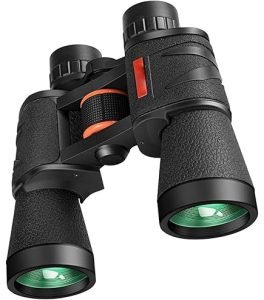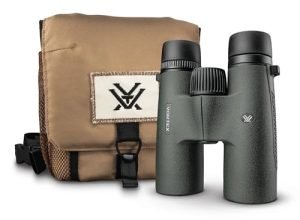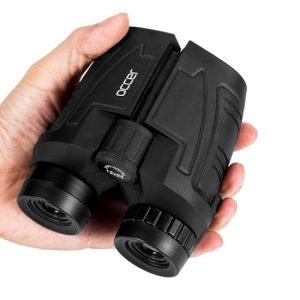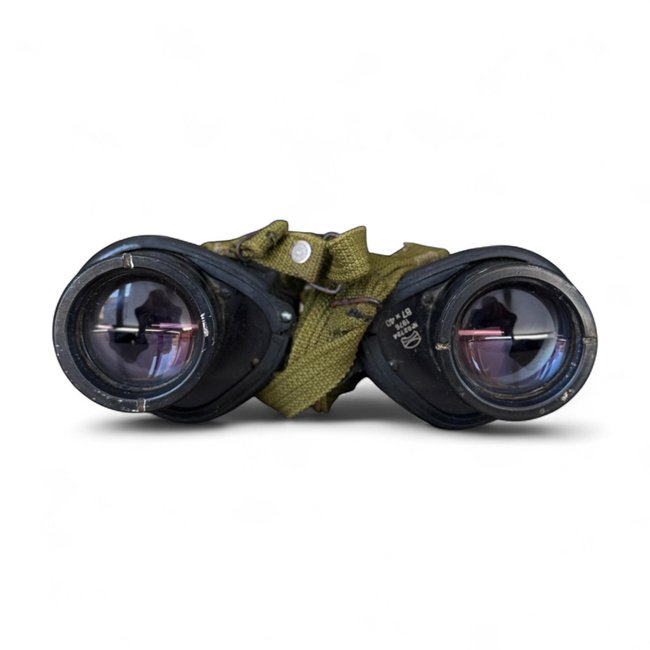
Your tactical binoculars are built to perform, but rain can leave your lenses smudged and blurry. When water droplets dry on the glass, they can create spots that block your view and reduce clarity.
If you don’t clean them properly, you might even risk scratching those delicate lenses. You want your gear ready for action, not slowed down by dirty lenses. You’ll discover simple, effective steps to clean your tactical binocular lenses after rain, so you can get back to seeing clearly and staying sharp.
Keep reading to protect your investment and ensure your vision stays crystal clear.
Importance Of Cleaning Tactical Binoculars
Cleaning tactical binocularsafter rain keeps them working well. Dirt and water drops can block your view. Wet lenses can get scratched if not cleaned right.
Regular cleaning helps to keep the lens clear. It also stops mold from growing on the glass. A clear lens gives a sharp and bright image, which is very important in the field.
Dirty or wet lenses can make it hard to see. This can cause you to miss important details. Taking care of your binoculars means they last longer and work better every time you use them.
Materials Needed For Cleaning
Soft microfiber cloth, lens cleaning solution, and a blower brush help remove dirt and water spots. Avoid rough materials to prevent scratches. Gentle cleaning keeps lenses clear and safe.
- Microfiber cloth:Soft and lint-free for gentle cleaning.
- Lens cleaning solution:Specially made for optics, safe for coatings.
- Lens brush or air blower:Removes dust and dirt without scratching.
- Cotton swabs:Good for cleaning corners and edges carefully.
- Distilled water:Use to rinse off dirt if no cleaning solution is available.
Preparing Your Binoculars
Check the binoculars carefully for any cracksor scratches. Look at the lenses and body. Any damage can affect how well they work. If you see dirt or mud, remove it gently with a soft cloth.
Remove water drops by shakingthe binoculars lightly or using a clean, dry cloth. Avoid wiping lenses roughly to prevent scratches. Use a lens cloth or a soft microfiber cloth if available.

Credit: swoptics.co.uk
Cleaning Techniques For Lenses
Use a lens cleaning solutiondesigned for optics. Avoid household cleaners.
Apply a few drops of the solution on the lens surface.
Gently wipe the lens with a microfiber cloth. This cloth won’t scratch the glass.
- Do not press hard. Be gentle to protect the lens coating.
- Use circular motions to remove dirt and water spots.
- Never use paper towels or rough fabrics. They can damage lenses.
Keep the microfiber cloth clean. Wash it regularly with mild soap and water.
Dry lenses properly before storing your binoculars to avoid mold growth.
Avoiding Common Mistakes
Avoid using abrasive materialslike paper towels or rough cloth. These can scratch the lensesand reduce clarity. Use a soft microfiber clothdesigned for delicate surfaces instead.
Never wipe lenses when dust particlesare present. Dust can act like sandpaper and cause permanent damage. Blow off dust gently with a lens bloweror use a soft brush before cleaning.
Drying And Storage Tips
After rain, gently wipe the binocular lenses with a soft, dry cloth. Avoid rubbing hard to prevent scratches. Let the lenses air dry in a cool place to remove moisture fully. Do not use heat sources like hair dryers, as they can damage the lens coating.
Store binoculars in a dry, cool place to keep them safe. Use a protective case to avoid dust and dirt. Keep silica gel packs inside the case to absorb any moisture. Avoid leaving binoculars in direct sunlight or damp areas for long periods.
| Drying Tips | Storage Tips |
|---|---|
| Use a soft, dry cloth to wipe lenses | Keep binoculars in a protective case |
| Air dry lenses in a cool place | Store in a dry, cool environment |
| Avoid heat sources for drying | Use silica gel packs to absorb moisture |
| Do not rub lenses hard | Avoid exposure to direct sunlight or dampness |
Maintenance For Long-term Use
Keeping tactical binocular lenses clean is key for clear visionand long use. Set a regular cleaning scheduleto prevent dirt buildup. Use a soft brush or air blower to remove dust before wiping. Always use a microfiber clothfor gentle cleaning. Avoid rough fabrics that can scratch lenses.
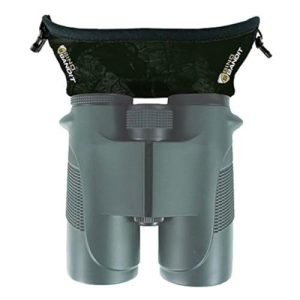
Protect lenses by using lens capswhen not in use. Store binoculars in a dry, padded case to avoid damage. Avoid placing binoculars face down on rough surfaces. After rain, gently shake off water drops. Use a lens pen or cleaning solution made for optics to remove smudges.
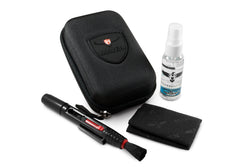
Credit: mavenbuilt.com

Credit: www.militarysurplus.eu
Frequently Asked Questions
How Do I Dry Tactical Binocular Lenses After Rain?
Use a soft microfiber cloth to gently dab the lenses dry. Avoid rubbing, which may scratch the surface. Let binoculars air dry in a shaded, dust-free area before storing.
Can I Use Tissue Paper To Clean Wet Binocular Lenses?
No, tissue paper can scratch tactical binocular lenses. Always use a clean microfiber cloth or lens cleaning wipe designed for optics.
What Cleaning Solution Is Safe For Tactical Binocular Lenses?
Use a lens cleaning solution specifically made for optics. Avoid household cleaners or alcohol, as they may damage lens coatings.
How Often Should I Clean Binocular Lenses After Rain?
Clean lenses immediately after rain to prevent water spots and dirt buildup. Regular cleaning maintains clarity and extends binocular lifespan.
Conclusion
Cleaning tactical binocular lenses after rain keeps them clear and ready. Use a soft cloth to gently wipe away water and dirt. Avoid harsh materials that can scratch the glass. Dry lenses thoroughly to prevent spots or damage. Regular care helps maintain sharp and bright views.
Taking a few simple steps protects your binoculars for long-term use. Clean lenses mean better sight in any weather. Keep your gear in top shape with easy lens cleaning.