Have you ever been out in nature, ready to spot some amazing wildlife, only to find your binoculars foggy, loose, or not working right? It’s frustrating when your wildlife binoculars don’t perform as they should.
But before you rush out to buy new ones, what if you could fix them yourself? This guide will show you simple, step-by-step ways to repair your binoculars, saving you time and money. Keep reading, and you’ll soon be back to enjoying clear, close-up views of the wild world around you.
Common Issues With Wildlife Binoculars
Blurred visionoften happens due to dirt or smudges on lenses. Clean lenses gently with a soft cloth. Avoid using rough materials that can scratch.
Loose partscan cause shaky views. Check screws and knobs. Tighten them with the right tool but do not force. Loose parts affect focus and comfort.
Misaligned opticsmake images double or blurry. This may need a professional to fix. Do not try to adjust lenses inside by yourself.
Scratched lensesreduce image quality. Light scratches can be polished out with special kits. Deep scratches might require lens replacement.
Tools And Materials Needed
Essential tools include a small screwdriver, tweezers, and a soft cloth. These help open and handle small parts carefully. Cleaning supplies are needed to keep lenses clear and free of dust. Use lens cleaning solution, microfiber cloths, and a small brush for dust removal.
Replacement parts may include lenses, screws, or rubber eyecups. Having these ready can fix broken or worn parts quickly. Keeping these tools and materials organized makes repair easier and faster.
| Category | Items Needed |
|---|---|
| Essential Tools | Small screwdriver, tweezers, soft cloth |
| Cleaning Supplies | Lens cleaning solution, microfiber cloth, small brush |
| Replacement Parts | Lenses, screws, rubber eyecups |
Cleaning And Maintaining Binoculars
Use a soft brush or air blower to remove dust from lenses. Avoid touching lenses with fingers to prevent smudges. Use a microfiber cloth for gentle cleaning. Apply lens cleaning solution on cloth, not directly on lenses. Clean in small circles to avoid scratches.
Wipe the binocular body with a damp cloth. Avoid harsh chemicals that can damage coatings. Check for loose screws and tighten gently. Store binoculars in a dry, cool place to prevent mold. Use lens caps and a carrying case for protection.

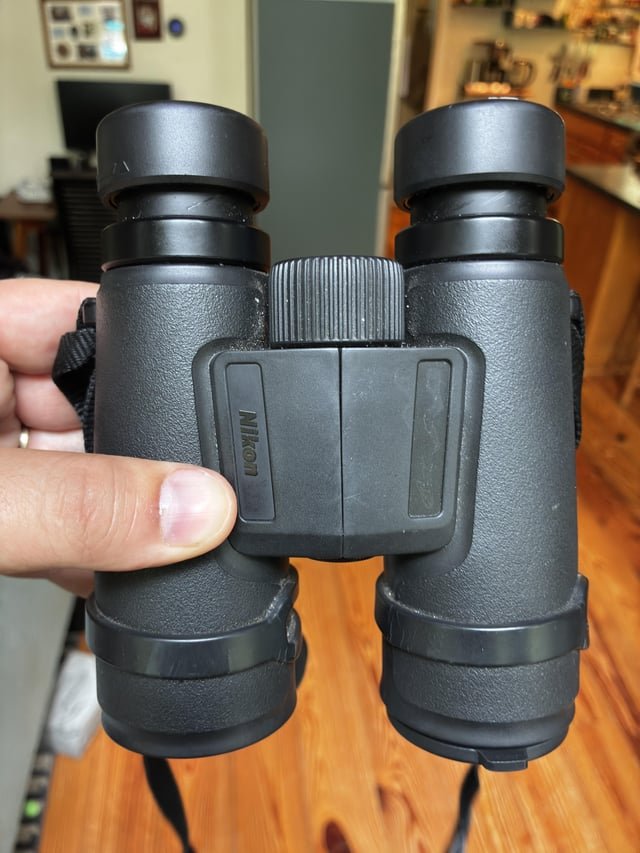
Credit: www.reddit.com
Fixing Blurred Vision
Adjusting focusis key to clear vision through wildlife binoculars. Turn the central focus wheel slowly until the image sharpens. Each eye may need separate attention to get the best clarity.
Checking diopter settingshelps fix blurred vision caused by differences between your eyes. Locate the diopter ring near one eyepiece. Rotate it while keeping the other eye closed until the image becomes sharp. This adjusts the binoculars to your unique eyesight.
- Close your right eye and focus with the central wheel using your left eye.
- Close your left eye and adjust the diopter ring with your right eye.
- Open both eyes and fine-tune the central focus wheel if needed.
Repairing Loose Parts
Loose parts in wildlife binoculars can cause blurry views and discomfort. Start by checking all screws. Use a small screwdriver to gently tighten any that are loose. Avoid over-tightening to prevent damage. A snug fit keeps parts secure and stable.
Next, examine the hingesthat connect the two barrels. If they feel wobbly, apply a tiny drop of lubricant or tighten the hinge screws carefully. This helps the binoculars open and close smoothly without slipping.
- Use a precision screwdriver for small screws
- Check screws on eyepieces and focus knobs
- Lubricate hinges sparingly to avoid dirt build-up
- Test binoculars after tightening to ensure stability
Correcting Misaligned Optics
Aligning prismsis key for clear images through wildlife binoculars. First, gently loosen the screws holding the prism in place. Slowly adjust the prism until the two images overlap perfectly. Tighten the screws carefully to keep the prisms aligned. This prevents double vision and blurry views.
Calibrating lenseshelps sharpen focus. Use a small screwdriver to turn the focus ring. Check the view on a distant object while adjusting. Turn slowly until the image is crisp and clear. Avoid forcing the lens, as it can cause damage.
Handling Scratched Lenses
Minor scratches on binocular lenses can blur your view. Use a soft, clean microfiber cloth to gently rub the scratched area. Apply a small drop of lens cleaning solution or toothpaste. Rub lightly in a circular motion for a few seconds. Wipe off with a dry part of the cloth. Repeat if needed but be gentle to avoid more damage.
Deep scratches may need lens replacement. Contact the binocular manufacturer or a professional repair service. They can match the exact lens size and type. Replacing lenses requires care to keep the binoculars aligned. This keeps the image clear and sharp. Handle lenses with clean hands or gloves to avoid fingerprints.

Credit: www.facebook.com
Preventing Future Damage
Proper storage keeps binoculars safe from dust and damage. Store them in a dry, cool place. Use a soft case or pouch to avoid scratches. Keep lenses covered with lens caps to protect from dirt and moisture.
Regular maintenance helps binoculars last longer. Clean lenses gently with a soft cloth made for optics. Avoid using harsh chemicals or rough materials. Check for loose screws and tighten them carefully. Store binoculars away from extreme heat or cold to prevent internal damage.
When To Seek Professional Help
Severe damage to wildlife binoculars can include broken lenses, cracked body, or stuck focusing wheels. If the binoculars show fogging inside the lensesor have loose parts, professional help is needed. Repairs involving optical alignmentrequire special tools and skills.
Choosing a repair service requires checking for experience with binoculars. Look for shops with good customer reviewsand warranty on repairs. Ask if they use original partsfor replacement. Cost and repair time are also important factors.
| Service Feature | Why It Matters |
|---|---|
| Experience with Binoculars | Ensures proper handling and repair quality |
| Customer Reviews | Shows trust and satisfaction from others |
| Warranty on Repairs | Protects you if the issue returns |
| Use of Original Parts | Keeps binoculars working like new |
| Cost and Time | Helps plan your budget and wait |

Credit: www.reddit.com
Frequently Asked Questions
How Can I Fix Blurry Images In Wildlife Binoculars?
Blurry images often result from dirty lenses or misaligned prisms. Clean lenses gently with a microfiber cloth. If blurriness persists, check and adjust the focus wheel or seek professional alignment service for prisms.
What To Do If Binoculars Fog Up Inside?
Fog inside binoculars indicates moisture trapped within. Use silica gel packets to absorb moisture. Avoid exposing binoculars to sudden temperature changes. For severe fogging, disassemble and dry internally or consult a repair expert.
How To Repair Broken Binocular Lens Caps?
Replace lost or broken lens caps with compatible new ones from the manufacturer or online stores. Temporary fixes include using soft cloth covers to protect lenses. Avoid using adhesive tapes that may damage the lenses.
Can I Fix Loose Eyepieces On Wildlife Binoculars?
Tighten loose eyepieces by gently screwing them back into place. Use appropriate tools to avoid damage. If the issue continues, the internal threads might be worn out and require professional repair or replacement.
Conclusion
Repairing wildlife binoculars can save money and extend their life. Start with small fixes like cleaning lenses or tightening screws. Avoid using harsh chemicals that might damage parts. Check alignment carefully to keep clear vision. Regular care helps prevent bigger problems later.
Remember, patience and gentle handling work best. Keep your binoculars ready for every outdoor adventure. Simple steps make a big difference in performance. You can enjoy nature clearly without spending much. Try these tips and see your binoculars work well again.