Are you looking for the perfect binoculars to boost your surveillance skills? Choosing the right pair can make all the difference between missing crucial details and seeing everything clearly.
But with so many options out there, how do you know which one fits your needs? This guide will help you cut through the noise and find binoculars that match your exact requirements. By the end, you’ll feel confident and ready to spot what others might overlook.
Keep reading to discover the key factors that will transform your surveillance experience.

Credit: www.amazon.in
Types Of Binoculars
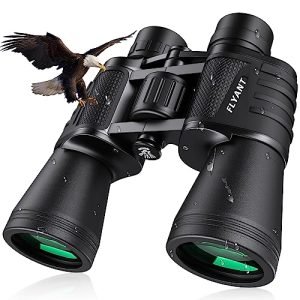
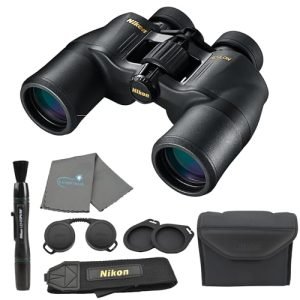
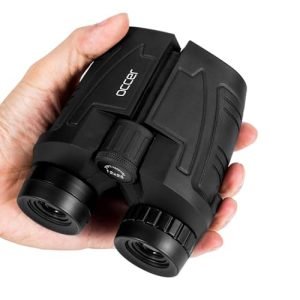
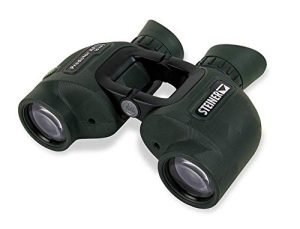
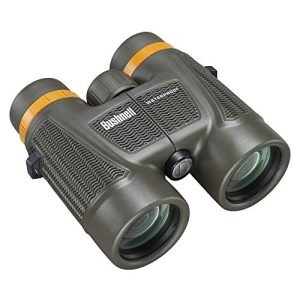
Compact binoculars are small and light. Easy to carry for long times. They fit in pockets and bags. Good for quick use and travel. But, they have smaller lenses, so less light enters. This means images may be less bright in low light.
Full-size binoculars are larger and heavier. They give brighter and clearer imagesbecause of bigger lenses. Better for long surveillance sessions or low light conditions. But, they can be tiring to hold for a long time and less easy to carry.
| Type | Description | Advantages | Disadvantages |
|---|---|---|---|
| Porro Prism | Classic design with zigzag shape. |
|
|
| Roof Prism | Straight, compact design. |
|
|
Magnification And Objective Lens
Magnificationshows how close objects appear. For surveillance, a 7x to 10x magnificationis best. Too high magnification makes images shaky and hard to see. Lower magnification gives a wider view and steadier image.
The objective lens diameteraffects how much light enters the binoculars. Bigger lenses, like 40mm or 50mm, let in more light. This helps see better in low light or at night. But bigger lenses make binoculars heavier.
| Feature | Recommended Size | Why It Matters |
|---|---|---|
| Magnification | 7x to 10x | Clear view, less shaking |
| Objective Lens Diameter | 40mm to 50mm | Better light, clearer image |
Field Of View
Field of viewmeans how much area you can see through the binoculars. A wide field of viewshows a large area. This is good for watching moving objects or scanning large places. A narrow field of viewshows a smaller area but with more detail. This is useful for focusing on one object far away.
Magnificationaffects field of view. Higher magnification makes objects look bigger but narrows the field of view. Lower magnification gives a wider view but less detail.
| Field of View | Magnification | Best For |
|---|---|---|
| Wide | Low | Watching wide areas, fast-moving objects |
| Narrow | High | Focusing on distant details, single objects |
Choose a balance. Too much magnification can make viewing hard. A moderate field of view with good magnification often works best for surveillance.
Image Quality Factors
Coatingson lenses reduce glare and improve light transmission. They make images brighter and clearer. Look for binoculars with multi-coatedlenses for better performance. The lens materialalso matters. Glass lenses usually give sharper images than plastic ones.
Brightnessdepends on the size of the lenses and the coatings. Larger lenses gather more light. This helps in low light conditions. Claritydepends on lens quality and coatings too. Good clarity shows details clearly and reduces blur.
| Factor | Effect |
|---|---|
| Lens Coatings | Reduce glare, increase brightness |
| Lens Material | Affects sharpness and durability |
| Lens Size | More light, better brightness |
| Optical Clarity | Sharper, clearer images |
Durability And Weather Resistance
Binoculars for surveillance need to be durableand resistantto weather. Choose models with waterproofand fogprooffeatures. These prevent water and moisture from damaging the lenses and optics.
Look for binoculars sealed with special coatings or O-rings. They keep out rain, dust, and fog. This helps maintain clear vision in wet or cold conditions. Fog inside lenses can blur your view and reduce effectiveness.
Impact resistanceis also vital. Pick binoculars with sturdy housing made from rubber or reinforced materials. They protect against drops or bumps during outdoor use. This ensures your binoculars last longer and perform well.
Comfort And Ease Of Use
Choosing binoculars for surveillance requires attention to weightand size. Light binoculars cause less strain during long use. Compact sizes are easier to carry and handle quietly. Bulky models may slow down your movement and cause fatigue.
Adjustable features improve comfortand ease of use. Look for binoculars with adjustable eye cupsto fit different eye shapes. Focus knobs that turn smoothly help you quickly sharpen your view. Adjustable straps or grips prevent slipping and keep the device steady.
- Lightweight and small size for less fatigue
- Adjustable eye cups for a better fit
- Smooth focus knobs for quick clarity
- Non-slip grips or straps for steady use
Budget Considerations
Choosing binoculars for surveillance requires a good balance between cost and quality. Cheap binoculars may save money but often lack clarity and durability. Expensive models offer better optics and buildbut may not fit all budgets.
Consider what features matter most. Focus, magnification, and lens size affect price and performance. Set a realistic budgetto avoid overspending or poor quality.
| Price Range | Features | Best For |
|---|---|---|
| Under $50 | Basic optics, low magnification | Casual use, beginners |
| $50 – $150 | Improved clarity, moderate zoom | Regular surveillance, hobbyists |
| $150 and above | High-quality lenses, durable build | Professional use, serious watchers |
Credit: www.crutchfield.com
Credit: www.firerescue1.com
Frequently Asked Questions
What Magnification Is Best For Surveillance Binoculars?
For surveillance, 8x to 10x magnification is ideal. It provides clear close-up views without image shakiness or narrow fields of view. Higher magnification may reduce stability and brightness, making it harder to track moving subjects effectively.
How Important Is Lens Diameter In Surveillance Binoculars?
Lens diameter affects light intake and image brightness. A 30mm to 50mm objective lens is suitable for surveillance, offering good clarity in various lighting conditions. Larger lenses improve low-light visibility but increase size and weight.
Should Surveillance Binoculars Be Waterproof And Fog-resistant?
Yes, waterproof and fog-resistant binoculars are essential for surveillance. They ensure reliable performance in all weather conditions, preventing lens fogging and internal damage. This durability enhances long-term usability and clarity during outdoor surveillance tasks.
What Type Of Prism System Suits Surveillance Binoculars?
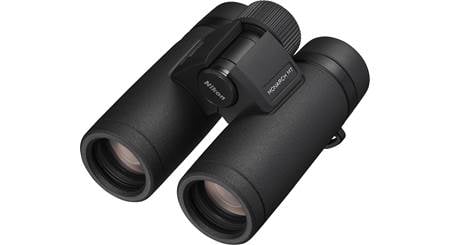
Roof prisms are compact and lightweight, ideal for discreet surveillance. Porro prisms offer better depth perception but are bulkier. Choose based on balance between size, weight, and image quality needed for your surveillance activities.
Conclusion
Choosing the right binoculars improves your surveillance experience. Focus on clear images, good magnification, and comfort. Compact size helps with easy carrying and quick use. Durable materials protect your gear in tough conditions. Test different models to find what feels best.
Remember, simple features often work best in real situations. Careful selection leads to better observation and safety. Keep these points in mind for smart binocular choices. Your watchfulness will benefit from thoughtful equipment.