Your roof prism binoculars are your window to the world, giving you clear, sharp views of nature and distant scenes. But what happens when rain leaves your lenses smudged and blurry?
You might feel frustrated or worried about damaging your gear while cleaning. Don’t worry—this guide will show you exactly how to clean your roof prism binocular lenses safely and effectively after rain. By following simple steps, you’ll restore crystal-clear vision and protect your investment.
Keep reading to learn how to care for your binoculars the right way every time.

Credit: www.saticus.id
Why Clean Roof Prism Binocular Lenses
Cleaning roof prism binocular lenses is crucial for clear views. Rain leaves spots and dirt on lenses. These marks can blur your sight. Dust particles from rain can settle on lenses. This affects the performance of binoculars. Regular cleaning keeps your lenses in top shape.
Impact Of Rain On Lens Clarity
Rain can cause water spots on lenses. These spots make images look blurry. Sometimes, rain leaves tiny dirt particles. These particles can scratch the lenses. Scratches and spots reduce clarity. Clear lenses give better images.
Common Residues After Rainfall
- Water spots
- Dirt particles
- Dust from rain
- Marks and smudges
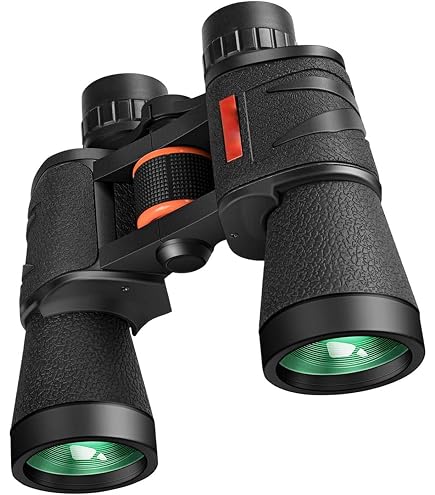
Credit: www.amazon.in
Essential Cleaning Tools
Lens cleaning clothsmade of microfiber are gentle and safe for lenses. Avoid using paper towels or rough fabrics. Use a clean cloth to prevent scratches and remove dirt carefully.
Cleaning solutionsshould be made for optics. Water or alcohol-based cleaners work well. Spray the solution on the cloth, not directly on the lens. This keeps lenses safe from damage.
Air blowersremove loose dust without touching the lens. Soft brushes can clean stubborn dirt gently. Both tools help avoid scratching the lens surface.
Step-by-step Cleaning Process
Begin by gently removing loose dirt with a soft brush or air blower. Lightly dampen a microfiber cloth with water to wipe the lenses in a circular motion. Let the lenses air dry to avoid streaks or damage.
Initial Dust Removal
Use a soft brush or air blower to remove loose dust.
Do not use your fingers; oils can cause smudges.
Gently blow away dirt without pressing on the lens.
Gentle Wiping Techniques
Use a microfiber cloth made for lenses.
Wipe in a circular motion to avoid scratches.
Apply light pressure only to clean the surface.
Dealing With Stubborn Spots
| Type of Spot | Cleaning Method |
|---|---|
| Dried Water Drops | Dampen cloth with lens cleaner, then gently wipe. |
| Oil or Fingerprints | Use a small amount of lens cleaning solution. |
| Stubborn Dirt | Repeat gentle wiping, avoid harsh scrubbing. |
Avoiding Damage During Cleaning
Harsh materials can harm your binocular lenses. Avoid using paper towels, tissues, or any rough cloth. These can scratch the lens surface. Never use household cleaners or solvents. They may remove the lens coating or cause damage.
Use only a soft microfiber clothor a lens cleaning brush. These tools clean gently without scratching. Avoid pressing hard on the lenses. Gentle care helps keep lenses clear and sharp.
Hold your binoculars firmly but gently. Avoid shaking or dropping them. Use both hands to keep them steady. Store them in a protective caseafter cleaning to avoid dust and dirt.
Maintaining Lens Quality Post-cleaning
Keep binocular lenses dry by storing them in a cool, dry place. Avoid places with high humidity like bathrooms or kitchens. Use a soft cloth to wipe lenses before storing. Always keep binoculars in a protective case. This stops dust and dirt from settling on lenses. Silica gel packets inside the case help absorb moisture. Make sure to replace these packets regularly for best results.
Set a regular cleaning routine to protect your lenses. Check lenses for dirt or water spots after each use. Use a lens brush or blower to remove loose dust. Clean with a microfiber cloth and lens cleaner for stubborn marks. Never use rough materials or household cleaners on lenses. Regular care keeps images clear and lenses lasting longer.
When To Seek Professional Help
Some signs show your binocular lenses need expert care. Scratches on the lens surface can blur your view. Persistent fog or moisture inside the lenses is a big problem. Spotting fungus or mold means damage is growing. If cleaning with soft cloths does not help, it’s time for help.
Professional cleaning services have special tools and solutions. They can safely remove dirt, moisture, and fungus. Experts check for any hidden damage too. This service keeps your binoculars working well for years.
- Use only trusted, experienced cleaning services.
- Ask if they offer warranty on their work.
- Check reviews before choosing a service.

Credit: www.amazon.com
Frequently Asked Questions
How Do I Safely Remove Water Spots From Binocular Lenses?
Use a soft microfiber cloth to gently dab and wipe the lenses. Avoid rubbing harshly to prevent scratches. If spots persist, lightly moisten the cloth with lens cleaner designed for optics, then wipe carefully.
What Is The Best Way To Dry Binocular Lenses After Rain?
Shake off excess water gently and use a dry microfiber cloth to pat the lenses dry. Avoid using heat or rough fabrics that can damage lens coatings or glass.
Can I Use Household Cleaners On Roof Prism Binocular Lenses?
No, household cleaners can damage the lens coatings. Always use cleaners specifically made for optical lenses to maintain clarity and protect the surface.
How Often Should I Clean Binocular Lenses After Exposure To Rain?
Clean lenses only when visibly dirty or wet. Frequent cleaning can wear coatings. After rain, dry lenses promptly and clean gently when necessary.
Conclusion
Cleaning roof prism binocular lenses after rain keeps them clear and sharp. Use soft cloths and gentle cleaning solutions only. Avoid rubbing hard to protect lens coatings. Dry lenses carefully to stop water spots. Regular care extends your binoculars’ life and performance.
A clean lens means better views every time. Simple steps make a big difference. Keep your binoculars ready for your next outdoor adventure.