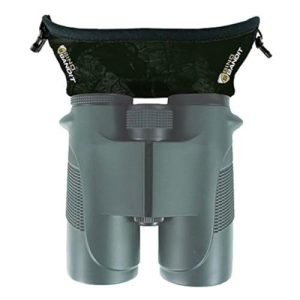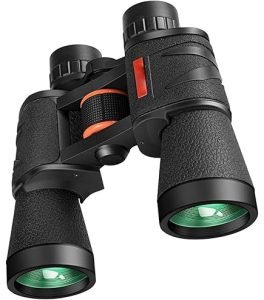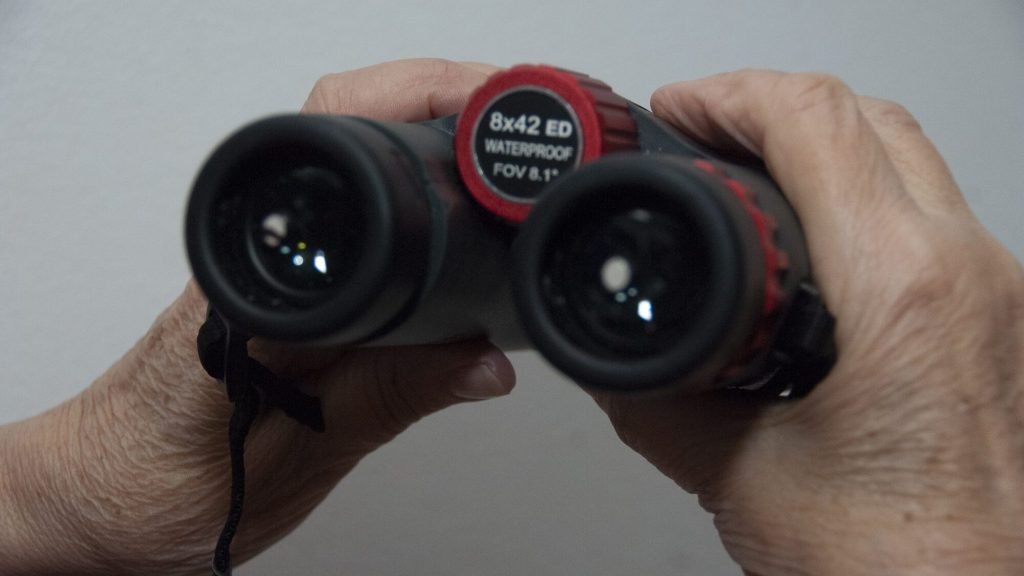
If you love birdwatching, you know how important your binoculars are. They bring distant birds right into your view, making every moment special.
But what happens when your binoculars get wet? Without proper care, the waterproof features that protect your gear can wear down fast. You don’t want your investment ruined by rain, fog, or accidental splashes. You’ll discover simple and effective ways to keep your birding binoculars truly waterproof.
Keep reading to make sure your binoculars stay clear, reliable, and ready for every outdoor adventure.

Credit: www.popsci.com
Waterproofing Basics
Keep birding binoculars dry by wiping them with a soft cloth after use. Store them in a cool, dry place to protect waterproof seals. Regularly check for damage to maintain their water-resistant features.
How Waterproofing Works
Waterproofing keeps binoculars dry. Special seals block water entry. These seals protect important parts. Binoculars stay safe in rain. Waterproof designs help in wet conditions.
Common Waterproof Ratings
| Rating | Description |
|---|---|
| IPX4 | Resists water splashes. |
| IPX7 | Handles water immersion up to 1 meter. |
| IPX8 | Suitable for deeper water immersion. |
Credit: www.popsci.com
Daily Care Tips
Use a soft, lint-free cloth to clean birding binoculars. Avoid using paper towels or rough fabrics that can scratch lenses. Gently wipe away dust or dirt. For tougher spots, use a small amount of lens cleaner or water. Never spray liquids directly on the binoculars.
After cleaning, ensure binoculars are dried properly. Use a dry cloth to remove moisture. Let them air dry in a shaded area. Avoid direct sunlight or heat sources, which can damage waterproof seals. Store binoculars in a dry place to keep them safe.
Storage Recommendations
Store binoculars in a cool, dry place. Avoid spots with high humidity.
Use a sealed caseto protect from dust and moisture.
Keep silica gel packs inside the case to help absorb moisture. Replace them regularly.
Do not leave binoculars in direct sunlight or near heat sources. This can damage seals.
Store binoculars with lens caps on to prevent dirt buildup.
After use in wet conditions, wipe binoculars dry before storing.
- Keep away from damp basements or attics.
- Use a soft cloth to clean lenses before storage.
- Check for moisture inside the case regularly.
Handling And Usage
Protecting seals and O-ringsis key for keeping binoculars waterproof. Avoid dropping or hitting binoculars to prevent damage. Clean the seals gently with a soft cloth to remove dirt and debris. Check seals regularly for cracks or wear. Replace damaged seals quickly to keep water out. Do not use harsh chemicals on seals as they can cause damage.
Safe use in wet environments means avoiding sudden temperature changes. Sudden changes can cause condensation inside binoculars. Store binoculars in a dry place after use. Use a waterproof case for extra protection during rain or fog. Dry binoculars fully before storing them to prevent mold or rust.
Regular Maintenance
Check your binoculars carefully for any cracks or scratches. These can let water inside and damage the lenses. Make sure the seals around the lenses and eyepieces are tight and not worn out. Dirt or dust can harm the waterproof seals. Wipe your binoculars with a soft cloth to keep them clean.
| When to Service | When to Replace Parts |
|---|---|
| After heavy rain or water exposure | If seals are cracked or missing |
| If fog or moisture appears inside lenses | When lenses are scratched or damaged |
| Annually for regular use | If focusing mechanism feels stiff or breaks |
Choosing Waterproof Binoculars
Keep binoculars dry by wiping them with a soft cloth after use. Store them in a cool, dry place to protect waterproof seals. Avoid dropping or pressing hard to maintain their water-resistant features.
Features To Look For
Waterproof binoculars should have a strong, sealed body to keep water out. Look for O-ring sealsthat block moisture and dust. Nitrogen or argon gas filling stops fogging inside the lenses. The lenses should have a water-repellent coatingto help water slide off. Choose binoculars with a durable, rubber-coated outer shell for grip and protection. Check for IPX7 or higher waterproof ratingto ensure they can handle rain and splashes.
Brands Known For Durability
| Brand | Key Feature | Waterproof Rating |
|---|---|---|
| Vortex | O-ring sealed, nitrogen purged | IPX7 |
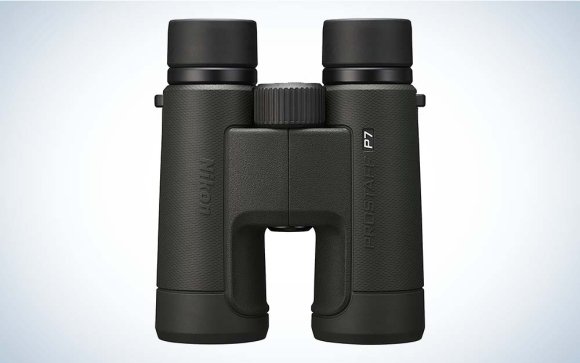
| Nikon | Multi-coated lenses, rubber armor | Waterproof & Fogproof |
| Zeiss | Durable body, hydrophobic lenses | IPX8 |
| Leica | Gas-filled, rubber-coated | Waterproof & Fogproof |
Credit: www.popsci.com
Frequently Asked Questions
How Do I Clean Waterproof Birding Binoculars Safely?
Use a soft, damp cloth to wipe the lenses gently. Avoid harsh chemicals that can damage waterproof coatings. Dry thoroughly with a microfiber cloth to maintain clarity and waterproof features.
Can I Submerge Waterproof Birding Binoculars In Water?
Most waterproof binoculars can handle brief submersion, but avoid extended underwater exposure. Always check the manufacturer’s IP rating for specific water resistance details.
How Often Should I Check Seals On Waterproof Binoculars?
Inspect seals every few months, especially after rough use. Damaged seals can let moisture in, reducing waterproof effectiveness and potentially damaging internal optics.
What Storage Tips Preserve Waterproof Features On Binoculars?
Store binoculars in a dry, cool place with a protective case. Avoid humid or extreme temperatures to maintain seal integrity and waterproof performance.
Conclusion
Maintaining waterproof features on birding binoculars extends their life and performance. Clean lenses gently with a soft cloth. Store them in a dry, safe place after use. Avoid dropping or hitting your binoculars hard. Check seals regularly to prevent water leaks.
Small steps keep your binoculars ready for any weather. Enjoy birdwatching without worries about water damage. Simple care makes a big difference. Keep your gear reliable and enjoy nature fully.