If you love hiking and birdwatching, you know how important it is to have your birding binoculars ready at all times. But how you carry them can make a big difference in your comfort and the safety of your gear.
Imagine reaching the perfect spot, only to find your binoculars are scratched or hard to access. You don’t want that to happen. You’ll discover simple, effective ways to carry your birding binoculars on the trail. Keep reading, and you’ll learn how to protect your binoculars, stay comfortable, and never miss a bird sighting again.
:max_bytes(150000):strip_icc()/tal-athlon-optics-8x42-midas-uhd-binoculars-signe-bamsey-ben-wanamaker-09-1-8caa644274c046f78e4cc47a08bb9750.jpeg)
Credit: www.travelandleisure.com
Choosing The Right Binoculars
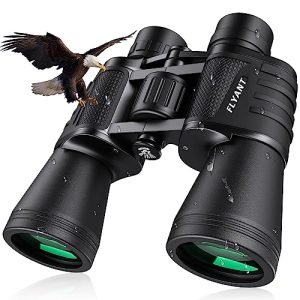
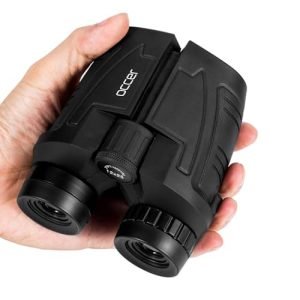
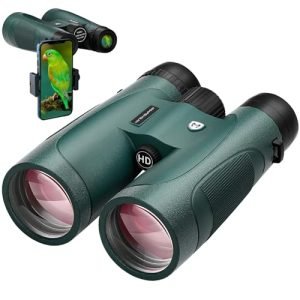
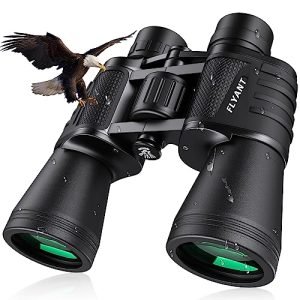
Compact binoculars are small and easy to carry. They fit well in backpacks or pockets. Full-size models offer better image clarityand brightness. They are often heavier and larger. Choose based on how much weightyou can carry.
Light binoculars are best for long hikes. Heavy binoculars can tire your arms quickly. Check the weight before buying. Less weight means easier travel.
Durable binoculars last longer. Weatherproof models resist rain and dust. Look for rubber coatingsand strong materials. These features protect your binoculars outdoors.
Best Carrying Methods
Using neck straps keeps binoculars close and ready for quick use. It prevents dropping and frees your hands for other tasks. Choose straps with padding for comfort on long hikes. Avoid straps that are too loose to stop swinging and bumping into things.
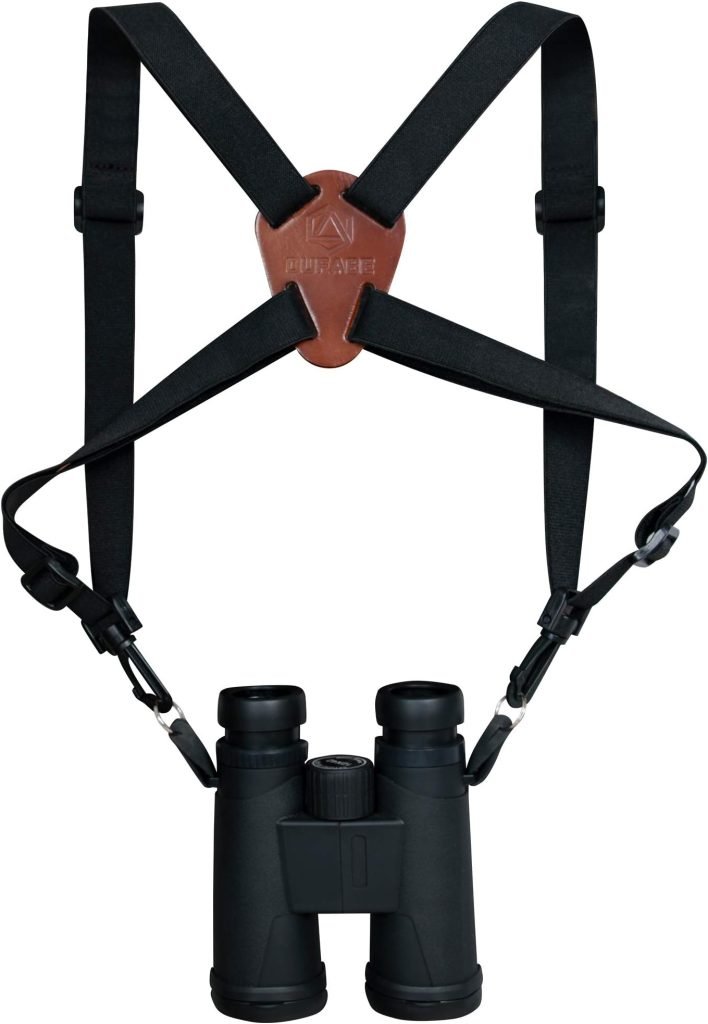
Harness systems spread the weight evenly across your shoulders and back. This reduces neck strain and keeps binoculars stable while moving. Many harnesses have extra pockets for small gear. They are great for long hikes or rough terrain.
Chest packs and pouches offer easy access and protect binoculars from weather. They keep binoculars secure and reduce bouncing. Look for packs with adjustable straps for a snug fit. They also help keep other small items close at hand.
Protecting Your Binoculars
Lens covers and capsprotect the glass from dust and scratches. Always keep them on when binoculars are not in use. Soft lens covers are easy to remove but may not protect against strong impacts. Hard caps offer better protection but can be lost if not attached properly.
Shock absorbing casescushion the binoculars during falls or bumps. Look for cases with foam padding or rubber edges. Carrying binoculars in a case also keeps them safe from rain and dirt.
Cleaning is key for clear vision. Use a soft cloth to wipe lenses gently. Avoid using rough materials or household cleaners which can damage coatings. Store binoculars in a dry place to prevent mold and corrosion.

Credit: www.celestron.com
Adjusting For Comfort And Accessibility
Adjust the strap lengthso the binoculars sit comfortably on your chest or neck. Avoid straps that are too tight or too loose. A good fit stops the binoculars from swinging or bouncing while hiking. Use strap adjusters to find the right length quickly.
- Hold binoculars close to your body to reduce movement.
- Use a quick-release clip for easy access.
- Keep binoculars where you can reach them fast.
Balance the weightof binoculars by distributing it evenly. Avoid hanging them only on one side. This helps keep your posture straight and reduces fatigue. Use padded straps to lessen pressure on your neck and shoulders.
Additional Hiking Gear Integration
Binoculars fit well with backpacks designed for hiking. Many backpacks have loops or straps for attaching gear. Use carabiners or clips to hang binoculars securely. This keeps binoculars easy to reach without using hands.
During rough or steep paths, it is best to store binoculars inside the backpack. This protects them from bumps and dirt. Use a padded case or soft pouch for extra safety. Keep binoculars close to your back to avoid swinging.
- Attach binoculars to backpack loops with strong carabiners
- Use clips designed for quick access and removal
- Store binoculars inside a padded case during tough terrain
- Place binoculars near the back for less movement
- Check straps and clips often for security
:max_bytes(150000):strip_icc()/tal-celestron-trailseeker-8x42-ed-binoculars-sarah-barber-3-9d50fbf0e9db4f25a94784195680e2ab.jpeg)
Credit: www.travelandleisure.com
Frequently Asked Questions
How Do I Securely Carry Birding Binoculars While Hiking?
Use a comfortable harness or neck strap designed for binoculars. This keeps them accessible and reduces strain. Avoid carrying binoculars in your hands to prevent dropping or damage during hiking.
What Is The Best Case For Hiking With Birding Binoculars?
A padded, lightweight, and water-resistant binocular case is ideal. It protects from shocks, dust, and weather. Look for cases with belt loops or attachment points for easy carrying.
Can I Attach Binoculars To My Backpack For Hiking?
Yes, many backpacks have straps or loops suitable for attaching binoculars. Use a secure clip or carabiner to prevent loss. Ensure the binoculars are easy to reach but won’t swing freely.
Should I Use A Neck Strap Or Harness For Hiking?
A harness distributes weight evenly, reducing neck strain on long hikes. Neck straps are simpler but may cause discomfort after hours. Choose based on your comfort and hiking duration.
Conclusion
Carrying birding binoculars right makes hiking more fun and safe. Use straps or harnesses to keep them close and steady. Choose a case that fits well and protects from bumps. Keep them easy to reach for quick bird watching. Remember, comfort matters on long trails.
Follow these tips to enjoy every bird sighting fully. Happy hiking and clear viewing!