Do you want your kids’ binoculars to last through countless adventures and explorations? Proper care can make all the difference.
When you know how to maintain kids’ binoculars the right way, you keep the lenses clear, the focus sharp, and the body sturdy. This means your child can enjoy every outdoor moment without any frustration. You’ll discover simple, practical tips that anyone can follow to keep those binoculars in top shape.
Ready to protect your investment and make every viewing crystal clear? Let’s dive in!
Choosing Durable Binoculars
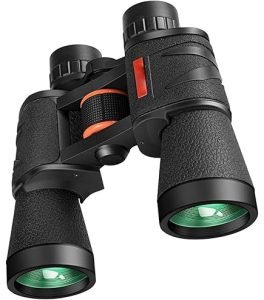
Kids need binoculars made from sturdy materials. Plastic and rubber are good choices. They can handle drops and bumps. Metal is strong but heavy. Rubber grips help hold binoculars tight. They prevent slipping and falling. Look for water-resistant binoculars. This keeps them safe from rain or spills. Durable materials ensure long-lasting use.
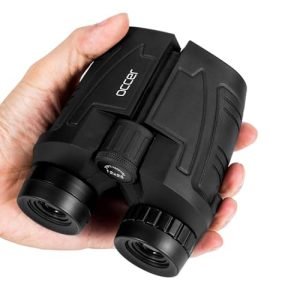
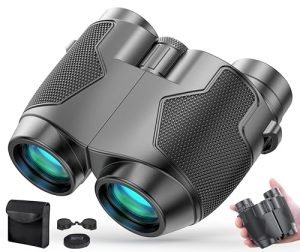
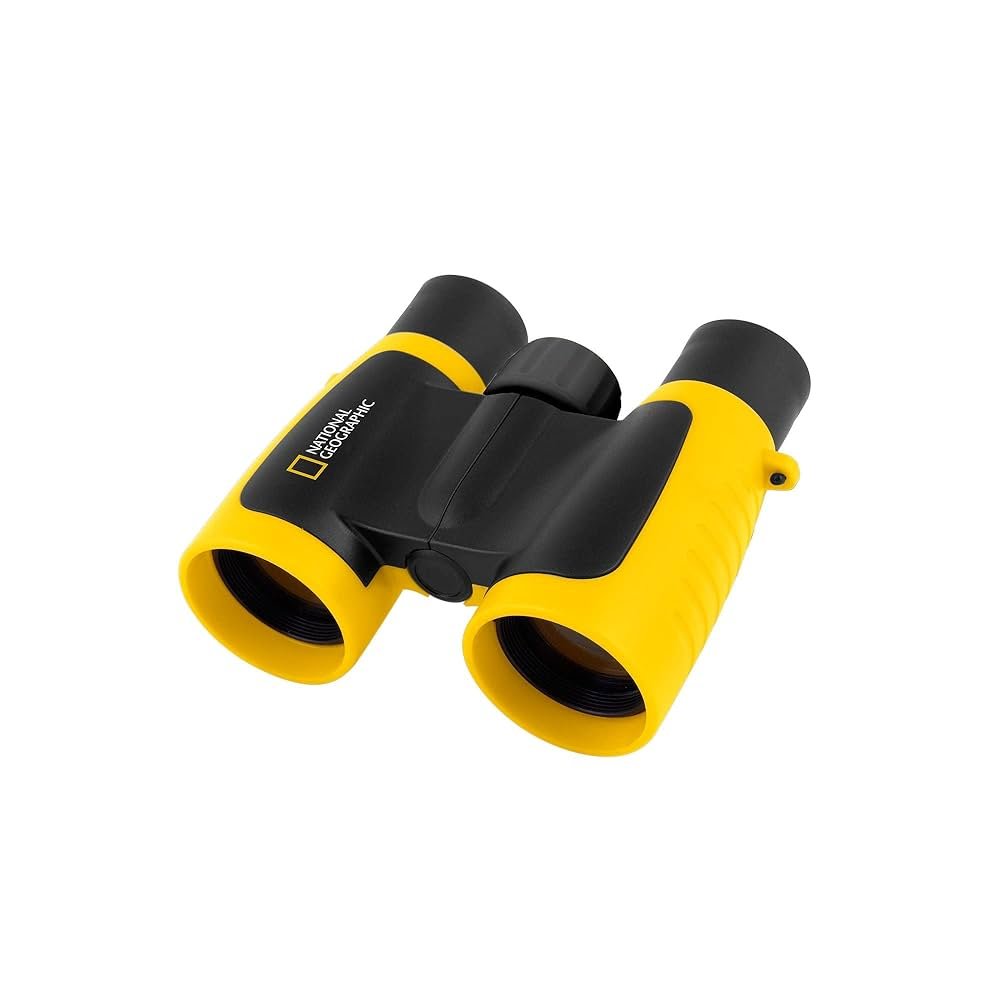
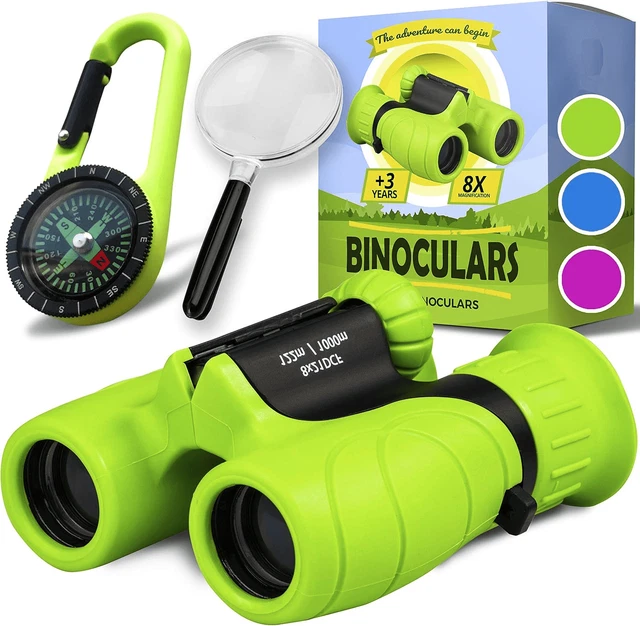
Choose binoculars that are light and easy to carry. Heavy ones tire out small hands. Small size fits well in backpacks. Look for compact designs. Easy for kids to handle and pack away. Avoid bulky models. They are hard for kids to use. Light and small binoculars make adventures fun.
Credit: picclick.com.au
Daily Cleaning Tips
Use a soft, clean cloth to wipe the lenses gently. Avoid using rough materials that can scratch the lens surface. For smudges, slightly dampen the cloth with water or lens cleaner made for glasses.
Keep the cleaning solution away from the inside parts. Do not spray directly on the lenses; spray on the cloth instead. Use a soft brush or air blower to remove dust before wiping.
To clean the body and eyepieces, use a damp cloth with mild soap. Avoid harsh chemicals that can damage the binoculars’ surface. Dry the binoculars with a soft towel after cleaning.
- Use a microfiber cloth for lens cleaning
- Remove dust with a soft brush first
- Spray cleaner on cloth, not lenses
- Clean body with mild soap and water
- Dry with a soft, dry towel
Proper Storage Practices
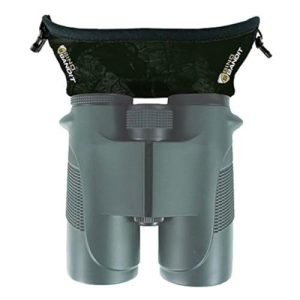
Using a protective casehelps keep kids binoculars safe from scratches and dust. It also stops dirt from getting inside the lenses. Soft cases with padding work well for light protection. Hard cases offer extra safety during travel or rough use. Always close the case tightly to keep the binoculars secure.
Extreme temperatures can harm binoculars. Too much heat may warp plastic parts. Cold can make lenses fog up or crack. Store binoculars in a cool, dry placeaway from sunlight. Avoid leaving them in cars or outside for long periods. Keeping them in stable temperature helps the binoculars last longer and work better.

Credit: brightbean.com
Handling And Usage Guidance
Teaching kids gentle handlinghelps keep binoculars safe. Show them how to hold binoculars with both hands. Explain that dropping or shaking can break the lenses or parts. Remind children to avoid touching the glass with fingers to keep lenses clean. Use a soft cloth for cleaning only. Encourage kids to carry binoculars by the strap around their neck to prevent dropping.
Avoiding common damage risksmeans keeping binoculars away from water, dust, and extreme heat. Store binoculars in a soft case after use. Avoid leaving them in direct sunlight or near heaters. Teach kids not to pull or twist the eyepieces roughly. Fix small problems early to avoid bigger damage later.
Regular Maintenance Checks
Check the binoculars for any loose screws or parts. Gently shake them; listen for rattling sounds. Tighten any loose screws with a small screwdriver. Loose parts can make viewing blurry or cause damage over time.
Look closely at the lens alignment. Hold the binoculars up and see if both lenses line up properly. Misaligned lenses make images look double or blurry. If misaligned, avoid using them until fixed.

Credit: www.amazon.co.uk
When To Seek Professional Help
Deciding between repairingor replacingkids binoculars depends on the damage. Small scratches or loose parts can be fixed easily. Broken lenses or severe damage may need replacement. Check the cost of repair versus buying new ones.
Finding a reliable repair serviceis important. Look for specialists with experience in binoculars. Ask for reviews or recommendations from other parents. Ensure they use quality parts and offer a warranty.
| Issue | Repair Possible? | Replacement Recommended? |
|---|---|---|
| Loose screws or small parts | Yes | No |
| Scratched lenses | Sometimes | Sometimes |
| Cracked or broken lenses | No | Yes |
| Severe body damage | No | Yes |
Frequently Asked Questions
How Often Should I Clean Kids Binoculars Lenses?
Clean the lenses gently after every use or when visibly dirty. Use a soft microfiber cloth and lens cleaner to avoid scratches and maintain clear vision.
What Is The Best Way To Store Kids Binoculars?
Store binoculars in a dry, cool place inside a protective case. Keep them away from direct sunlight and moisture to prevent damage and mold growth.
Can Kids Use Binoculars In The Rain?
Avoid using kids binoculars in heavy rain to prevent water damage. If they get wet, dry them immediately with a soft cloth and air dry fully before storing.
How Do I Prevent Kids Binoculars From Fogging Up?
Prevent fogging by keeping binoculars in their case when not in use. Use anti-fog wipes or sprays designed for lenses to maintain clear viewing in humid conditions.
Conclusion
Keeping kids binoculars clean and safe helps them last longer. Wipe lenses gently with a soft cloth to avoid scratches. Store binoculars in a dry case to prevent damage. Teach children to handle them with care and avoid dropping. Regular checks for loose parts keep binoculars working well.
Simple care steps protect the binoculars and improve kids’ fun. Enjoy outdoor adventures with clear, sharp views every time. Small efforts make a big difference in maintaining binoculars.